.png)
Overview
Every week XPLog UK publishes a modestly titled column called “What We’ve Been Playing,” a tradition that began in the early 2010s as a low‑key way for editors to share the titles that kept them up past midnight. Over the years the feature has evolved from a simple list into a cultural barometer, offering a snapshot of the titles that resonate with the very people who critique the market for a living. By juxtaposing a seasoned RPG veteran’s return to monster‑hunting, a high‑octane shooter marathon, a home‑grown horror experience, and an off‑beat comedic skit, the column mirrors the eclectic tastes of the broader core‑gamer demographic while subtly nudging the conversation toward larger industry currents.
In a landscape dominated by algorithm‑driven recommendation engines and massive influencer campaigns, a handwritten staff roundup carries a nostalgic authenticity that many publishers are desperate to reclaim. The timing of this week’s edition coincides with a resurgence of narrative‑driven, single‑player experiences that have begun to reclaim market share from the live‑service behemoths that dominated the early‑2020s. Simultaneously, the column’s casual nod to community‑driven content—such as an impromptu butler impression—highlights the growing importance of personality‑driven engagement as a differentiator in an increasingly homogenised media environment.
What Happened?
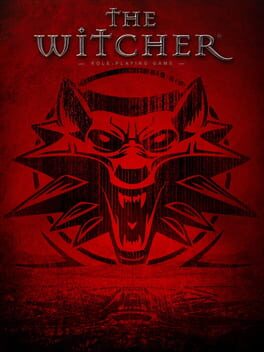
The latest installment opens with Bertie, a long‑time fan of open‑world RPGs, admitting that his Witcher skills have grown a little rusty after months of focusing on competitive shooters. He revisits the continent of the Northern Kingdoms, not for the latest patch but to explore the game’s lingering design brilliance: a world that rewards curiosity, layered storytelling, and a combat system that still feels fresh after a decade. Dom, on the other hand, dives head‑first into the gritty, mechanised corridors of the Gears franchise, pushing through a marathon of campaign and multiplayer modes that showcase the series’ evolution from a console‑exclusive juggernaut into a cross‑platform showcase of next‑gen visual fidelity.
Kelsey’s segment shifts tone entirely, as she settles into a horror title that feels eerily domestic—an indie‑crafted experience that leans on atmospheric dread rather than jump‑scares, echoing the success of titles like “Amnesia” and “Layers of Fear.” Meanwhile, Chris caps the episode with a flawless butler impression that, while comedic, underscores a deeper truth: the modern gamer community values personality and shared moments as much as the games themselves. The column, though light‑hearted on the surface, subtly maps a spectrum of player motivations—from mastery and competition to narrative immersion and communal humor.
Analysis
From a market perspective, the games highlighted in this week’s column represent three distinct commercial trajectories. The Witcher franchise, now a staple of CD Projekt’s portfolio, continues to generate steady sales through long‑tail DLC and a thriving modding community, illustrating how a well‑crafted single‑player experience can sustain relevance long after its launch window. Gears, having transitioned from a Microsoft‑first exclusive to a multi‑platform title, demonstrates the potency of leveraging next‑gen hardware to rejuvenate legacy IPs, a strategy that rivals like Ubisoft have mirrored with franchises such as “Assassin’s Creed.” Finally, the indie horror selection underscores the persistent appetite for low‑budget, high‑impact experiences that can break through the noise via word‑of‑mouth and curated editorial coverage.
Competitively, the column’s eclectic mix also signals shifting power dynamics across console ecosystems. While the Witcher’s performance remains platform‑agnostic, Gears’ recent cross‑play rollout has forced Sony, Microsoft, and Nintendo to reassess their exclusivity playbooks, nudging the industry toward a more inclusive, player‑first approach. Meanwhile, the indie horror title benefits from the burgeoning “indie showcase” slots on storefronts such as the PlayStation Store and Xbox Game Pass, which have become crucial launchpads for titles that lack massive marketing budgets. Technical hurdles—such as optimizing legacy engines for ray‑traced environments or ensuring seamless cross‑play latency—remain significant, but the willingness of studios to invest in these upgrades reflects a broader industry commitment to longevity over short‑term hype cycles.
XPLog Opinion
At XPLog UK we view staff playthroughs not merely as a pastime but as a strategic lens through which to gauge the health of the medium. When editors gravitate back to a title like The Witcher, it signals that narrative depth and world‑building still command reverence among seasoned gamers, a reminder to publishers that cash‑grab live services cannot be the sole focus. Dom’s Gears marathon validates the notion that legacy franchises can be reborn with technical polish and cross‑platform ambition, a blueprint that should inspire other mid‑tier publishers to revisit dormant IPs. Kelsey’s horror pick and Chris’s comedic interlude illustrate that community‑driven moments—whether spooky or silly—remain the glue that binds player ecosystems together, and editors must champion these experiences if the industry hopes to retain its most passionate core.
Final Thoughts
In sum, this week’s “What We’ve Been Playing” serves as a micro‑cosm of the broader industry narrative: a balance between reverent nostalgia, technical reinvention, and the ever‑growing importance of personality‑driven community content. As we look ahead to the next quarter, keep an eye on the upcoming patches for The Witcher series, the scheduled cross‑play expansion for Gears, and the next wave of indie horror releases that promise to push atmospheric storytelling into new territories. The staff’s choices today will inevitably echo in the market trends of tomorrow, making this column a quiet yet potent predictor of where core gaming is headed.