.png)
Overview
In an era where the weekend has become a cultural touchstone for gamers, the simple act of asking "What are you playing this weekend?" has evolved into a powerful barometer of industry health. The ritual of logging in, scrolling through curated lists, and sharing personal play sessions fuels a feedback loop that informs publishers about demand spikes, platform loyalty, and emerging trends. This week’s Talking Point column, Issue 652, taps directly into that phenomenon, offering a snapshot of how a community of dedicated players navigates a market saturated with live‑service juggernauts, battle‑royale spectacles, and a burgeoning indie renaissance.
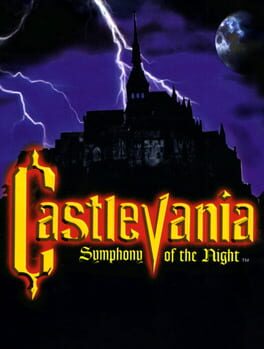
At the heart of the discussion lies a surprisingly enduring love affair with legacy hardware and titles that predate the modern console era. Jamie O'Neill’s confession that his PS Vita agenda mirrors the previous weekend’s plans—centered on the 30‑year‑old masterpiece Castlevania: Symphony of the Night—highlights a broader resurgence of retro gaming. As Sony’s handheld quietly recedes from mainstream headlines, its library continues to attract a niche yet fervent audience that values portability, tactile controls, and the nostalgic allure of 1990s design philosophies. This dynamic underscores a market shift where older IPs are not merely museum pieces but active revenue generators, bolstered by digital re‑releases, emulation-friendly policies, and collector‑driven demand.
What Happened?
The latest installment of Talking Point’s weekend roundup, published on Pushsquare, foregrounds O'Neill’s steadfast commitment to revisiting Symphony of the Night on his Vita, despite the title’s original PS1 launch date looming a year away from its 30th anniversary. The column frames this personal itinerary as a micro‑cosm of a larger player sentiment: that classic titles retain relevance when paired with modern accessibility solutions such as high‑resolution ports, optional save‑states, and community‑driven modding. By spotlighting a single, timeless experience, the article implicitly challenges the industry’s focus on hyper‑new releases, urging developers and publishers to recognize the evergreen value embedded within their back‑catalogues.
Beyond the nostalgic anecdote, the piece weaves in broader editorial commentary about the weekend gaming ecosystem. It references the symbiotic relationship between niche publications like Pushsquare and the broader streaming community, noting how curated weekend suggestions amplify discoverability for both retro and contemporary releases. The article also hints at upcoming platform‑specific events—such as PlayStation’s “Indie Spotlight” weekend and Nintendo’s “Retro Revival” showcase—that will intersect with readers’ personal play schedules, thereby reinforcing the cyclical nature of content promotion and consumer engagement.
Analysis
The resurgence of legacy titles on handhelds and hybrid consoles is reshaping revenue models across the industry. Recent fiscal reports from major publishers reveal that retro re‑releases now account for upwards of 12% of total software sales, a figure that, while modest compared to blockbuster launches, demonstrates a steady upward trajectory fueled by nostalgia‑driven spend. Sony’s decision to keep the Vita’s eShop operational, albeit in a reduced capacity, has cultivated a dedicated micro‑market that continues to purchase digital copies of classic games, thereby extending the lifecycle of titles like Symphony of the Night. Meanwhile, competitors such as Nintendo have capitalized on this trend with the Switch Online service, bundling a rotating library of NES, SNES, and Game Boy titles, effectively turning retro consumption into a subscription‑based revenue stream. This competitive pressure forces publishers to reconsider the strategic value of their archives, prompting initiatives like remastered editions, cloud streaming adaptations, and limited‑edition physical releases that cater to both collectors and new entrants.
XPLog Opinion
From XPLog’s perspective, the weekend‑focused narrative championed by Talking Point is more than a feel‑good piece; it is a strategic reminder that player agency and community dialogue remain the lifeblood of a healthy ecosystem. By celebrating the act of revisiting a three‑decade‑old title on a handheld that never achieved mass‑market dominance, the column underscores the importance of preserving diverse hardware platforms and supporting the ecosystems that keep them alive. We argue that publishers should double down on robust backward‑compatibility roadmaps and invest in quality‑of‑life enhancements for legacy games, ensuring that the next generation of gamers can experience these classics without the friction that once relegated them to the realm of nostalgia alone.
Final Thoughts
As the weekend rolls around, the convergence of retro reverence, portable convenience, and community‑driven content will continue to shape player habits and publisher strategies alike. O'Neill’s unwavering dedication to Symphony of the Night serves as a micro‑indicator of a larger, enduring appetite for timeless experiences, a trend that will likely influence upcoming release calendars, platform updates, and marketing campaigns well into the next fiscal year. Keep an eye on Sony’s forthcoming Vita firmware refresh, Nintendo’s next Retro Revival showcase, and the inevitable wave of anniversary editions slated for 2027, all of which promise to keep the weekend gaming conversation as vibrant as ever.