.png)
Overview
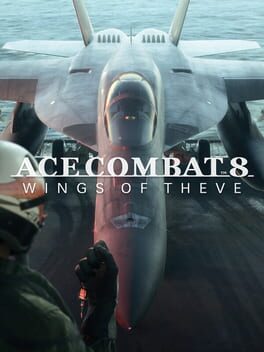
As the calendar flips to October 2026, the gaming calendar is awash with seasonal releases that tap into the chill of autumn and the adrenaline of high‑octane action. While horror‑themed titles dominate the indie shelves, a veteran franchise is preparing to dominate the skies: Ace Combat 8: Wings of Theve. Bandai Namco’s Aces team, fresh off the critical and commercial success of 7: Skies Unknown, is poised to deliver an experience that not only expands the series’ aerial combat pedigree but also attempts to embed a more resonant narrative about the human cost of war. This launch arrives at a time when console manufacturers are scrambling to differentiate their ecosystems through exclusive, spectacle‑driven titles, and when players are demanding deeper storytelling alongside the visceral thrills of gameplay.
Historically, the Ace Combat series has been a barometer for how arcade‑style flight simulators can thrive on home consoles, dating back to the original 1995 PlayStation launch that introduced gamers to the romance of dogfights. Over the past three decades, the franchise has oscillated between experimental story‑driven entries and pure score‑chasing shooters, each iteration reflecting broader industry trends—from the rise of online multiplayer ecosystems to the resurgence of narrative‑heavy single‑player experiences. The upcoming Wings of Theve therefore sits at a crossroads: it must satisfy long‑time fans craving the series’ signature fast‑paced combat while also courting a newer audience that expects cinematic storytelling and live‑service support.
What Happened?
Bandai Namco officially announced Ace Combat 8: Wings of Theve during a streamed showcase earlier this week, unveiling a trailer that juxtaposes sweeping aerial vistas with gritty, ground‑level combat footage. The game introduces a “dynamic weather engine” that simulates tropical storms and localized hurricanes, a feature that not only adds visual flair but also directly influences flight physics, forcing players to adapt their tactics in real time. Additionally, the title boasts a roster of over 170 aircraft, ranging from historically accurate WWII fighters to speculative future jets, each meticulously modeled with authentic sound design and aerodynamic behavior.
Beyond the technical upgrades, the narrative premise centers on a relatively obscure pilot thrust into the role of “Wings of Theve,” a folk‑hero moniker earned after a legendary ace is downed in battle. The storyline delves into the psychological toll of war, exploring themes of sacrifice, loss, and the moral ambiguity of aerial bombardment. Development lead Eric Van Allen emphasized that the team consulted with military historians and former pilots to ensure a respectful yet thrilling representation of combat, while also integrating “horrors of war” motifs that echo the series’ occasional forays into more somber storytelling.
Analysis
From a market perspective, Ace Combat 8 arrives at a pivotal moment for the console wars. Sony’s PlayStation 6 and Microsoft’s Xbox Series X2 are both courting “hardcore” titles to justify premium hardware sales, and a high‑profile, graphics‑intensive flight sim can serve as a system showcase for ray‑tracing, high‑refresh‑rate displays, and haptic feedback. Moreover, the game’s planned cross‑platform multiplayer will be a litmus test for Bandai Namco’s ability to unify disparate player bases—a challenge that has historically hampered other franchise‑wide releases. The inclusion of a robust weather system also signals a technical arms race, as developers vie to push the limits of real‑time simulation on next‑gen hardware, potentially setting a new benchmark for environmental interactivity.
Competitively, Ace Combat 8 must contend with the resurgence of aerial combat in the esports arena, most notably the rise of titles like “War Thunder” and “World of Warplanes.” By offering a narrative‑driven single‑player campaign alongside a competitive multiplayer ladder, Bandai Namco is hedging its bets: the campaign will attract story‑driven gamers, while the multiplayer component aims to capture the burgeoning sky‑combat esports scene. Should the studio succeed in delivering a balanced experience, it could revitalize the niche but passionate community of virtual pilots and perhaps even spur hardware manufacturers to release specialized flight‑control peripherals, echoing the success of racing wheels in the sim racing market.
XPLog Opinion
At XPLog UK we view Ace Combat 8: Wings of Theve as a bold statement of intent from Bandai Namco—a declaration that the studio refuses to rest on nostalgia alone and is instead willing to push the envelope of what a “flight combat” game can be. The marriage of a politically resonant narrative with cutting‑edge simulation technology positions the title as a potential flagship for next‑gen consoles, and it could very well become the benchmark against which future aerial shooters are measured. However, the real test will be whether the game can maintain its momentum post‑launch, delivering meaningful content updates and fostering a competitive ecosystem that keeps players aloft long after the initial hype subsides.
Final Thoughts
In sum, Ace Combat 8: Wings of Theve is shaping up to be more than just another entry in a long‑standing series; it is a litmus test for how legacy franchises can evolve within an increasingly demanding hardware landscape and a player base hungry for depth. With its scheduled release on November 12, 2026, and a promised wave of post‑launch DLC that will introduce new aircraft, story arcs, and seasonal weather events, the title warrants close monitoring. Keep an eye on Bandai Namco’s developer diaries and the upcoming PlayStation State of Play and Xbox Showcase events for further insights into how this sky‑bound saga will influence the broader gaming ecosystem.