.png)
Overview
Digital Eclipse’s decision to resurrect Toy Story 3 Complete Edition for the PlayStation 5 arrives at a moment when the console ecosystem is saturated with high‑profile launches, yet the appetite for nostalgic, family‑friendly titles remains robust. The original 2010 PlayStation 3 and Xbox 360 release was a modest commercial success, praised for translating Pixar’s cinematic charm into a side‑scrolling platformer that appealed to both children and seasoned gamers. Over the past decade, the industry has witnessed a resurgence of retro‑focused remasters, from Capcom’s classic arcade compilations to Nintendo’s Switch re‑releases, underscoring a broader trend where publishers mine their back‑catalogues to fill calendar gaps and reinforce brand loyalty.
Within this context, the upcoming Toy Story 3 Complete Edition is not merely a nostalgic cash‑in; it is part of a coordinated push that includes Toy Story: Retro Roundup, a curated anthology of early Pixar games. By bundling a beloved franchise with a fresh trophy list, Sony and Disney aim to leverage the PlayStation 5’s hardware capabilities—faster SSD loading, ray‑traced lighting, and haptic feedback—to deliver a version that feels both familiar and technically superior. The timing, set for 15 October, strategically positions the title ahead of the holiday rush, offering a family‑friendly alternative to the more mature blockbuster releases that dominate the season.
What Happened?
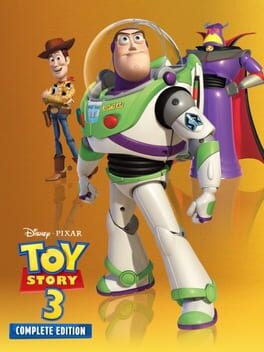
The announcement, first leaked through a trophy‑tracking site, confirmed that the PS5 version will retain the original’s 31 trophies while introducing three new achievements that reward players for completing previously hidden challenges, such as locating every Easter egg in the “Squeeze Toy” level and achieving a perfect run on the “Pizza Planet” segment without taking damage. Digital Eclipse’s lead developer, Andrew Miller, explained that the additional trophies were designed to encourage both newcomers and veterans to explore the game’s depth, turning a simple platformer into a completionist’s quest. The remaster also promises 4K resolution, HDR support, and a revised control scheme that takes advantage of the DualSense’s adaptive triggers for a more tactile sense of Buzz Lightyear’s jetpack thrust.
Beyond the trophy overhaul, the release will be bundled with Toy Story: Retro Roundup, a compilation that resurrects titles such as Toy Story 2: Buzz’s Quest and the experimental “Toy Story 3: The Game” for mobile platforms. This dual‑release strategy mirrors Sony’s recent “PlayStation Hits” bundles, where a flagship title is paired with a complementary package to boost overall sales volume. The marketing push includes a dedicated storefront banner on the PlayStation Store, cross‑promotional assets on Disney+ during the streaming of the Toy Story 3 film, and a limited‑edition digital artbook that showcases concept art from both the original game and the new remaster.
Analysis
From a market perspective, the Toy Story 3 Complete Edition serves as a litmus test for the viability of mid‑tier retro releases on next‑gen hardware. While blockbuster exclusives like Horizon Forbidden West dominate headline sales, the PlayStation 5’s expanding install base—now surpassing 30 million units worldwide—creates a fertile environment for titles that can attract casual families and older gamers alike. The inclusion of a refreshed trophy list taps into the PlayStation community’s achievement‑driven culture, potentially extending the game’s lifespan through social sharing and leaderboards, which in turn can generate organic word‑of‑mouth promotion without significant marketing spend.
Competitively, Disney’s partnership with Sony positions the company to counteract Nintendo’s stronghold on family‑oriented IPs, especially as Nintendo continues to leverage its own retro catalog on the Switch. By delivering a technically polished version on the PS5, Disney signals confidence that its intellectual property can thrive across multiple console ecosystems, reducing reliance on any single platform. Moreover, Digital Eclipse’s expertise in faithfully recreating classic experiences—evident in its previous work on the Mega Man Legacy Collection—mitigates the risk of a subpar remaster that could tarnish the brand. The new trophies also address a common criticism of older titles: lack of modern reward structures, thereby aligning the product with contemporary player expectations.
XPLog Opinion
At XPLog UK, we view the Toy Story 3 Complete Edition as a shrewd blend of nostalgia and forward‑looking platform strategy; it demonstrates how legacy content can be repurposed to drive ecosystem engagement while delivering genuine value to players. The decision to augment the trophy roster is more than a cosmetic tweak—it reflects an industry‑wide shift toward treating achievement systems as a core component of game design, especially for titles that aim to capture both new audiences and the devotion of long‑standing fans. If the launch proves successful, it could usher in a wave of similar mid‑budget revivals, prompting publishers to revisit overlooked gems with a fresh lens on player motivation and cross‑generational appeal.
Final Thoughts
In sum, the PS5 remaster of Toy Story 3 Complete Edition is poised to become a benchmark for how classic licensed games can be revitalized for modern hardware, leveraging enhanced graphics, tactile feedback, and a thoughtfully expanded trophy system to re‑engage a diverse player base. As the release date of 15 October approaches, industry watchers should monitor early sales figures, community trophy completion rates, and the performance of the bundled Retro Roundup, all of which will inform whether this model becomes a staple of the next‑generation retro‑remaster playbook.