.png)
Overview
2026 has proven to be a watershed year for the Star Wars gaming franchise, with a string of high‑profile releases revitalising the brand across multiple platforms. From sprawling open‑world adventures to tightly tuned multiplayer shooters, the galaxy far, far away has been leveraged as a sandbox for both legacy developers and newcomers alike. Within this broader resurgence, Microsoft’s Xbox division has doubled down on exclusive, narrative‑driven experiences that can also thrive in the subscription‑first environment of Game Pass, positioning the console as a hub for both hardcore and casual fans of the saga.
Enter Fuse Games, a UK‑based studio that spent the previous decade polishing mobile titles and indie projects before being courted by Xbox for a flagship partnership. The studio’s pedigree—rooted in a blend of arcade sensibility and technical polish—made it an ideal candidate to helm a first‑ever Star Wars racing title. Their development pipeline, which began in earnest in early 2024, benefitted from Microsoft’s extensive tooling and the backing of Lucasfilm’s narrative overseers, ensuring that the final product would not only meet the visual expectations of the franchise but also push the boundaries of what a space‑themed racer can achieve.
What Happened?
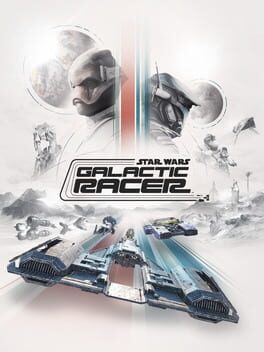
On a crisp October morning, Microsoft announced that Star Wars: Galactic Racer will launch worldwide on October 6th, marking the debut of Fuse Games as a first‑party Xbox developer. The reveal was accompanied by a trailer that showcased hyper‑realistic starship designs, dynamic track environments ranging from the bustling streets of Coruscant to the icy canyons of Hoth, and a suite of Force‑infused abilities that allow racers to manipulate gravity, create temporary shields, and execute daring overtakes. The announcement also confirmed that the title will be available on Xbox Series X|S at launch and will debut on Xbox Game Pass the same day, a strategic move aimed at maximizing player reach from day one.
What has captured the industry’s imagination, however, are the early review scores that have begun to trickle out of preview outlets. Publications ranging from PureXbox to Eurogamer have awarded the game scores between 8/10 and a perfect 10/10, praising its seamless blend of high‑octane racing mechanics with authentic Star Wars lore. Reviewers have highlighted the meticulous track design, the responsive handling of each vessel, and the innovative use of Force powers that add a layer of strategic depth rarely seen in the genre. Moreover, the integration with Xbox’s cloud infrastructure promises low‑latency multiplayer sessions, a factor that could set a new benchmark for competitive racing titles on console.
Analysis
From a market perspective, Galactic Racer arrives at a pivotal moment when Xbox is aggressively expanding its exclusive portfolio to counterbalance Sony’s stronghold on narrative‑driven single‑player experiences. By anchoring a beloved IP like Star Wars within the racing genre—a space traditionally dominated by franchises such as Forza and Gran Turismo—Microsoft is diversifying its appeal to both Star Wars enthusiasts and racing aficionados. Early indicators suggest that the title could drive a measurable uptick in Game Pass subscriptions, echoing the subscription‑first success seen with titles like Halo Infinite and The Outer Worlds, and reinforcing Microsoft’s long‑term strategy of bundling premium content with its service.
Competitively, the launch pits Galactic Racer against entrenched racing juggernauts and the ever‑present Battlefront series, which continues to dominate the Star Wars shooter market. The game’s unique mechanic of integrating Force abilities into racing could force rivals to reconsider their own design philosophies, potentially spawning a wave of hybrid‑genre experiments. Technically, Fuse Games faced the challenge of rendering vast, atmospheric tracks while maintaining 60fps performance on both current‑gen hardware and cloud streaming platforms—a hurdle they appear to have cleared, as evidenced by the fluid frame‑rates reported in early hands‑on sessions. The success of these technical feats will likely influence future Xbox titles that aim to marry cinematic fidelity with fast‑paced gameplay.
XPLog Opinion
At XPLog UK, we view Star Wars: Galactic Racer as a litmus test for Microsoft’s willingness to gamble on genre‑bending exclusives that leverage iconic IPs. Fuse Games has delivered a product that not only meets the lofty expectations of a Star Wars title but also reinvigorates the racing genre with fresh, narrative‑driven mechanics. While the hype is justified, the real test will be the game’s longevity—whether its multiplayer ecosystem can sustain player engagement beyond the initial launch window, and whether the Force‑centric design will translate into a lasting competitive scene. If it does, we could see a new sub‑genre emerge, forcing other publishers to rethink how they integrate storytelling into traditionally skill‑based experiences.
Final Thoughts
Star Wars: Galactic Racer is poised to become a cornerstone of Xbox’s 2026 lineup, blending the timeless allure of the Star Wars universe with the adrenaline of high‑speed competition. As the October 6th launch approaches, the industry will be watching closely to see whether the early acclaim translates into sustained sales, robust online communities, and perhaps most importantly, a blueprint for future IP‑driven hybrid games. Keep an eye on post‑launch updates, seasonal content drops, and the potential rollout of cross‑play capabilities that could broaden its reach to PlayStation and PC ecosystems later in the year.