.png)
Overview
Since its debut in 1991, Sonic the Hedgehog has oscillated between groundbreaking highs and turbulent lows, becoming a cultural barometer for how legacy franchises adapt to evolving hardware and player expectations. The early 2000s saw the series grapple with inconsistent quality, but the resurgence sparked by Sonic Mania (2017) and Sonic Forces (2017) reminded both Sega and its fanbase that the blue blur could still command relevance when handled with reverence and ambition. In recent years, the broader industry has leaned heavily into nostalgia‑driven remasters—Square Enix’s Final Fantasy VII Remake, Capcom’s Resident Evil 2, and Nintendo’s own wave of classic titles—fueling a lucrative market where old IPs are re‑engineered for modern consoles, often delivering double‑digit sales spikes.
Yet this nostalgic tide collides with a stark reality: development pipelines are increasingly strained by the need to support live‑service ecosystems, cross‑platform launches, and the rising cost of high‑fidelity production. Sega, once a juggernaut of arcade dominance, now operates within a competitive landscape where third‑party studios command massive budgets and first‑party platforms dictate ecosystem loyalty. Within this context, Takashi Iizuka’s recent remarks to Automaton—emphasising limited resources and a strategic pivot toward brand‑new experiences—signal a calculated gamble: to preserve Sonic’s relevance by forging fresh narratives rather than revisiting past glories.
What Happened?
In a candid interview, Iizuka, the veteran overseer of Sonic’s development since the Dreamcast era, disclosed that the studio’s current bandwidth simply cannot accommodate a full‑scale remake of beloved titles such as Sonic Adventure. He argued that allocating engineers, artists, and budget toward a recreation of a two‑decade‑old game would divert precious talent away from projects that could expand the franchise’s horizons. Instead, the team is channeling its efforts into original concepts that aim to blend the franchise’s signature speed‑centric gameplay with contemporary design philosophies, including open‑world structures and deeper narrative integration.
The statement also hinted at an emerging roadmap that includes a yet‑unnamed “next‑generation” Sonic title slated for release on both current‑gen consoles and next‑gen hardware. While concrete details remain under wraps, Iizuka’s comments suggest a focus on building proprietary engines and tools that will serve multiple future entries, rather than retrofitting legacy codebases for a single remaster. This approach mirrors Sega’s broader shift toward modular development frameworks, a strategy that could streamline cross‑title asset reuse and reduce long‑term production overhead.
Analysis
The decision to prioritize new IP over remastering classic entries carries both opportunity and risk. On the upside, delivering a fresh Sonic experience could re‑ignite mainstream interest, attract a new generation of players, and potentially unlock revenue streams tied to downloadable content, seasonal updates, and cross‑media tie‑ins. Competitors such as Ubisoft have demonstrated how reinvigorating legacy franchises with live‑service components can extend a title’s lifespan well beyond its launch window. Moreover, by investing in a versatile engine now, Sega positions itself to respond more nimbly to platform transitions, a crucial advantage as the PlayStation 5 and Xbox Series X continue to dominate market share while the Nintendo Switch maintains a strong install base.
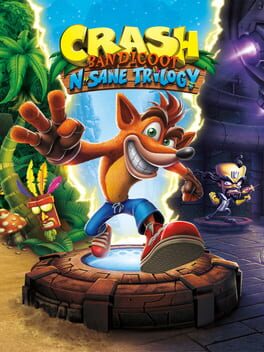
Conversely, the omission of a high‑profile remaster may alienate a vocal segment of the Sonic community that craves polished revivals of seminal works. The success of titles like Crash Bandicoot N. Sane Trilogy illustrates that nostalgia can translate into immediate commercial windfalls, bolstering a publisher’s cash flow and providing a safety net for riskier ventures. Should the forthcoming original Sonic game falter—whether due to design missteps, performance issues, or mismatched audience expectations—Sega could find itself without the buffer that a well‑executed remake would have supplied. Additionally, the broader industry trend toward “remaster‑first” strategies means that Sega risks ceding market visibility to rivals who are actively mining their back catalogues for quick wins.
XPLog Opinion
At XPLog UK, we view Iizuka’s stance as a bold, albeit precarious, affirmation of creative ambition. While the lure of instant nostalgia‑driven sales is undeniable, the Sonic brand has suffered from over‑reliance on formulaic sequels that failed to evolve the core experience. By directing scarce resources toward genuinely new gameplay paradigms, Sega demonstrates a willingness to gamble on long‑term relevance rather than short‑term profit. Our hope is that this gamble pays off with a title that honors Sonic’s heritage while delivering the depth and polish expected by today’s discerning gamers—a move that could finally cement Sonic’s place alongside other enduring platform icons.
Final Thoughts
Takashi Iizuka’s declaration that “our resources are limited” underscores a pivotal moment for Sega: the choice between capitalising on nostalgic demand and forging a forward‑looking identity for Sonic. As the studio refines its next‑generation vision, the industry will be watching closely for release windows, platform partnerships, and the eventual reception of whatever new adventure emerges from the blue blur’s ever‑evolving saga. Keep an eye on official announcements slated for early 2027, when Sega is expected to lift the veil on its upcoming Sonic project and reveal how the balance between heritage and innovation will finally be struck.