.png)
Overview
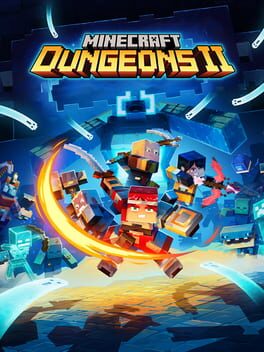
The launch of Minecraft Dungeons II this week marks the most ambitious expansion of the Minecraft franchise beyond its sandbox roots since the original game’s 2011 debut. While the block‑building universe has long thrived on its open‑ended creativity, Mojang Studios and its parent Microsoft have been steadily probing adjacent genres, first with the 2020 action‑RPG spin‑off and now with a sequel that arrives simultaneously on Nintendo Switch, Xbox Series X|S, PlayStation 5 and PC. This multi‑platform rollout underscores a strategic pivot: leveraging Minecraft’s massive brand equity to capture a slice of the increasingly crowded loot‑and‑slash market, where titles such as Diablo IV and Lost Ark dominate the conversation.
From a market perspective, the timing is significant. The global games market is projected to exceed $200 billion in 2026, with a notable surge in cross‑generational, family‑friendly titles that blend accessible controls with depth. Minecraft Dungeons II arrives amid a resurgence of cooperative, dungeon‑crawling experiences that appeal to both veteran gamers and younger audiences, a demographic that Nintendo, in particular, has cultivated through its emphasis on couch co‑op. The sequel’s Metacritic score of 75 and a robust user rating of 8.2 reflect a cautiously optimistic reception, suggesting that the title may bridge the gap between casual appeal and the more demanding expectations of core RPG fans.
What Happened?
Microsoft announced the release of Minecraft Dungeons II on October 2, 2026, delivering the game across all major current‑generation consoles and PC. The sequel builds upon the foundational mechanics of its predecessor—fast‑paced combat, procedural level generation, and a loot system—while introducing a richer narrative, expanded character classes, and a more nuanced difficulty curve designed to reward both solo adventurers and coordinated squads of up to four players. Early developer commentary highlights a focus on “dynamic environments” that react to player actions, a step forward from the static corridors of the original.
Critically, the game’s launch is accompanied by a suite of post‑launch support promises, including seasonal content drops, a battle‑pass system, and cross‑play functionality that unifies the player base across platforms. This aligns with Microsoft’s broader “Gaming for Everyone” initiative, which seeks to eliminate platform silos and foster a unified ecosystem. The OpenCritic aggregate of 77 further reinforces the notion that reviewers see the sequel as a solid, if not revolutionary, evolution that refines the formula without overreaching.
Analysis
From a commercial standpoint, Minecraft Dungeons II is positioned to capitalize on the residual goodwill of the original while tapping into the lucrative “games as a service” model that has reshaped revenue streams across the industry. The decision to launch on Nintendo’s Switch—a console that has consistently outperformed expectations in the handheld market—offers a strategic foothold in a segment where Microsoft’s own hardware presence is minimal. Moreover, the integration of cross‑play mitigates the historical fragmentation that has plagued multiplayer titles, potentially extending the game’s lifecycle and encouraging higher average revenue per user through sustained engagement.
Technically, the sequel’s ambition to deliver more reactive environments suggests a substantial investment in the Bedrock engine’s capabilities, which could have ripple effects for future Minecraft updates and even other Microsoft‑owned studios. However, the incremental nature of the enhancements also raises questions about differentiation in a genre where innovation is increasingly measured by emergent gameplay systems and deep progression mechanics. Competitors like Diablo IV have set a high bar for narrative depth and end‑game content, meaning Minecraft Dungeons II must rely on its brand familiarity and cooperative charm to retain relevance beyond the initial launch window.
XPLog Opinion
At XPLog UK, we view Minecraft Dungeons II as a calculated, yet bold, maneuver by Microsoft to cement Minecraft’s status as a multi‑genre powerhouse. The title may not redefine the action‑RPG landscape, but its polished execution, broad platform reach, and commitment to ongoing content signal a mature understanding of today’s player expectations—namely, seamless accessibility paired with depth that rewards repeated play. In a market saturated with high‑budget, narrative‑driven experiences, Dungeons II offers a refreshing middle ground that could attract a sizable cohort of families and casual gamers while still satisfying the core audience that craves loot‑filled adventures.
Final Thoughts
Ultimately, Minecraft Dungeons II stands as a testament to the franchise’s adaptability, demonstrating that even a sandbox behemoth can successfully venture into more structured, combat‑centric territory without alienating its base. As patches roll out and seasonal updates begin in the coming months, the true measure of its success will be the durability of its player community and the degree to which it can sustain a revenue model that rivals dedicated RPG franchises. Keep an eye on the upcoming “Frostbound” seasonal event in November and the promised expansion of cross‑play features slated for early 2027, as these will be key indicators of the title’s long‑term viability.