.png)
Overview
When a modest London studio first unveiled a monarch‑driven, swipe‑left card mechanic in 2016, few could have predicted that the experiment would become a cultural touchstone for indie gaming. Nerial’s debut title, Reigns, arrived at a moment when the industry was still digesting the aftershocks of the mobile‑first wave, and its blend of low‑poly aesthetics, razor‑sharp humor, and decision‑driven storytelling struck a chord across PC, console, and handheld audiences. The game’s success seeded an entire franchise, spawning sequels and high‑profile licensed collaborations that demonstrated the commercial viability of bite‑sized, narrative‑rich experiences in a market increasingly dominated by live‑service behemoths.
Fast‑forward to 2026, and the indie ecosystem is confronting a stark reality check. The past year alone has seen a cascade of studio closures—from Meta’s VR arm to venerable developers like Bluepoint—highlighting the fragility of mid‑scale studios that sit between boutique creators and AAA powerhouses. Nerial’s decision to enter “hibernation mode” is therefore not an isolated incident but part of a broader contraction that raises pressing questions about funding models, platform dependence, and the sustainability of experimental design philosophies in a profit‑driven environment.
What Happened?
In a measured social‑media communiqué, Nerial disclosed that after thirteen years of operation the studio would cease active development, entering a self‑imposed hiatus while its staff regroup and contemplate future endeavors. The announcement referenced ongoing discussions with publishing partner Devolver Digital, signalling that the shutdown is a consensual, strategic retreat rather than a forced liquidation. By framing the pause as “hibernation,” the team hinted at the possibility of a rebirth, albeit one that will likely emerge from a period of reflection and skill realignment.
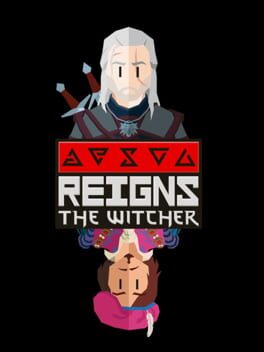
The closure comes on the heels of the studio’s most recent release, Reigns: The Witcher, which capped a series of licensed expansions that included Game of Thrones, Animal Farm, and Three Kingdoms. Alongside these titles, Nerial’s portfolio also features experimental projects such as Card Shark and the ambitious, albeit unreleased, The Crush House. While the company did not enumerate explicit financial or operational reasons, the timing suggests a convergence of market saturation in the card‑based niche, diminishing returns on licensing deals, and the broader economic headwinds that have been squeezing independent developers throughout the year.
Analysis
The Reigns franchise proved that a minimalist UI and emergent narrative could capture both critical acclaim and commercial viability, yet its very success may have also boxed the studio into a narrow design identity. Competitors ranging from Choice of Games to newer narrative‑card hybrids have begun to iterate on the formula, offering deeper branching trees and richer art direction, thereby eroding the novelty that once set Nerial apart. Moreover, the reliance on high‑profile IPs for spin‑offs introduced licensing costs that, while providing short‑term visibility, likely strained the studio’s margins as the market shifted toward subscription‑based revenue streams that favour continuous content over episodic releases.
From a publisher perspective, Devolver Digital now faces the challenge of stewarding the Reigns intellectual property without its original creators. Devolver has a history of nurturing eclectic titles, but the loss of Nerial’s internal expertise may compel the publisher to either hand the reins to an external studio or to pivot the franchise toward a live‑service model—a risky proposition given the series’ legacy of concise, self‑contained experiences. Meanwhile, the talent pool liberated by Nerial’s hiatus will likely disperse across the UK’s burgeoning indie scene, potentially seeding new ventures that could revitalize the card‑based RPG niche with fresh mechanics and diversified thematic scopes.
XPLog Opinion
At XPLog we view Nerial’s retreat as a cautionary tale about the perils of over‑reliance on licensed extensions in an indie context. While the Reigns brand demonstrated that a clever core loop can sustain a franchise, the incremental cost of securing and integrating external IPs may have outpaced the incremental revenue, especially in a climate where player attention is fragmented across streaming, esports, and ever‑expanding mobile ecosystems. The studio’s decision to pause rather than dissolve entirely suggests a strategic acknowledgement that the creative spark needs breathing room—a move that, if managed wisely, could yield a more resilient, perhaps even genre‑defying, successor in the near future.
Final Thoughts
As the dust settles on Nerial’s thirteen‑year journey, the industry will watch closely to see whether the studio’s “hibernation” translates into a phoenix‑like resurgence or simply marks the quiet end of a once‑vibrant creative force. Stakeholders—from Devolver Digital to the broader indie community—should monitor upcoming announcements from former Nerial staff and any potential revival of the Reigns IP, as these will signal how adaptable the card‑based narrative model remains in a market that increasingly rewards relentless content pipelines and cross‑platform integration.