.png)
Overview
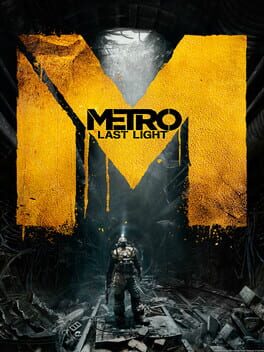
The Metro franchise, born from Dmitry Glukhovsky's post‑apocalyptic novels, first burst onto the console scene in 2010 with 4A Games' gritty, atmospheric shooter Metro 2033. Its sequel, Metro: Last Light, refined the formula with tighter combat and a more nuanced narrative, cementing the series as a benchmark for storytelling in first‑person shooters. In recent years, 4A has revisited these milestones through the Redux line, rebuilding the original titles on the modern Unity engine, polishing textures, and restoring cut content that was lost in the initial launches. This revival strategy mirrors a broader industry trend where developers resurrect beloved IPs for a new generation, leveraging improved tooling while preserving the core experience that resonated with fans.
Simultaneously, the console war has entered a phase where hardware parity is less about raw horsepower and more about ecosystem services. Microsoft, with its Xbox Series X|S, has championed a philosophy of “free upgrades” for legacy titles, positioning the Xbox Game Pass and its backward‑compatibility roster as value drivers. In contrast, Sony has largely pursued paid remasters or bundled re‑releases. The October 29 announcement that both Metro 2033 Redux and Metro: Last Light Redux will receive free upgrades on the new hardware therefore arrives at a pivotal moment, offering a litmus test for how far Microsoft will push the free‑upgrade model and how the community will respond to enhanced, yet non‑remastered, experiences.
What Happened?
Earlier this week, 4A Games confirmed that the two Redux entries will be patched to run natively on the Xbox Series X and Series S without any additional charge to owners of the existing Xbox One versions. The company explicitly framed the update as an enhancement rather than a full‑blown remaster, emphasizing that the underlying game assets remain intact while a suite of visual and auditory improvements are layered on top. This distinction is crucial for fans who fear that a remaster could alter the tone or pacing that made the original Redux releases so compelling.
The technical rollout includes native 4K texture support for the Series X, a refined animation system that reduces the stutter often seen in the original ports, and an upgraded audio pipeline that delivers richer, more directional soundscapes—an essential factor in Metro’s tension‑driven stealth sections. Additionally, the update introduces Temporal Super Resolution (TSR) upscaling, allowing the Series S to achieve near‑4K fidelity while maintaining a steady 60 fps, and anti‑aliasing enhancements that smooth jagged edges without sacrificing performance. These improvements are delivered via a downloadable patch, meaning players will see the upgrades the moment they launch the game after the October 29 release window.
Analysis
From a market perspective, free upgrades serve a dual purpose: they extend the commercial lifespan of legacy titles and they reinforce the narrative that Microsoft’s ecosystem rewards long‑term ownership. By bolstering Metro’s visual fidelity at zero cost, Microsoft can entice new players who might have dismissed the Redux versions as dated, while also re‑engaging existing fans who will appreciate the polish. This strategy echoes the success of similar free upgrades for titles like Forza Horizon 5’s “Legacy Pack” and the recent Xbox Series X|S patch for Sea of Thieves, both of which saw modest spikes in concurrent players and renewed interest in subscription sign‑ups.
Competitively, Sony’s more cautious approach—often opting for paid “definitive editions”—creates a divergent perception of value. While Sony can command higher price points for premium remasters, Microsoft’s free‑upgrade model may erode the perceived necessity of purchasing a new console solely for graphical upgrades. Technically, the reliance on upscaling technologies such as TSR mitigates the need for a full asset overhaul, allowing 4A to deliver noticeable improvements without the massive development costs associated with a true remake. However, this also raises questions about the longevity of such patches; as hardware continues to evolve, will TSR‑based enhancements suffice, or will developers be compelled to invest in deeper reconstruction to stay competitive?
XPLog Opinion
At XPLog UK we view Microsoft’s decision as a savvy blend of fan service and strategic positioning: it signals a commitment to preserving the narrative integrity of Metro while leveraging modern hardware to keep the franchise relevant. The free upgrade model underscores a broader industry shift toward treating games as evolving services rather than static products, and it sets a precedent that could pressure other publishers to follow suit if they wish to remain attractive on the Xbox platform.
Final Thoughts
When the patch lands on October 29, Metro enthusiasts will finally be able to explore the bleak tunnels of the Moscow Metro in crisp 4K, with smoother animations and a soundscape that truly immerses. The move not only revitalizes two cornerstone titles but also provides a clear indicator of Microsoft’s long‑term vision for legacy content: free, high‑quality upgrades that keep the Xbox ecosystem fresh and compelling. Keep an eye on player adoption metrics in the weeks following the rollout, and watch for similar announcements from other developers—if the Metro upgrade proves successful, it could herald a new era where classic games receive regular, cost‑free enhancements as a standard feature of next‑gen consoles.