.png)
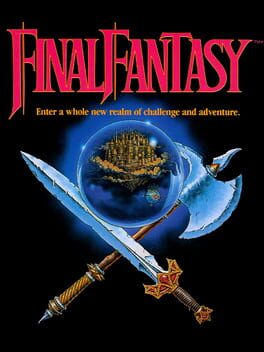
Final Fantasy remains one of the most influential RPG franchises in gaming. This ranking concentrates on entries that matter for Nintendo players, including mainline instalments, major remasters and spin-offs that are available on Nintendo systems or have been confirmed for Switch 2. Selections were assessed on storytelling, combat design, legacy and how well each game fits on Nintendo hardware.
-
Final Fantasy VI (SNES / multiple platforms)
Often cited as the high-water mark for 2D JRPG design, Final Fantasy VI blends an ensemble cast, a strikingly mature narrative and deep customisation. Its character-driven vignettes, memorable boss encounters and sprawling score give it enduring appeal on handheld and home systems alike.
Sponsored -
Final Fantasy Tactics (now on Switch 2)
Strategy RPG design reaches its zenith in Final Fantasy Tactics. Political intrigue, granular job and ability systems, and challenging battle scenarios make this title essential for tactical fans. The recent availability on Switch 2 brings its complex mechanics to a modern handheld audience with improved convenience.
-
Final Fantasy VII Remake Intergrade (now on Switch 2)
The remake reimagines a genre-defining title with cinematic presentation and an action-RPG combat system that expands the original’s scope. The Intergrade version refines visuals and content, and its arrival on Switch 2 introduces a blockbuster remake to Nintendo’s next-gen hardware.
-
Final Fantasy IX (PS1 / multiple platforms)
Final Fantasy IX is a love letter to the series’ roots, combining classic fantasy aesthetics with modern storytelling polish. Strong character arcs, a warm soundtrack and a balanced progression system keep it among the most beloved entries for players on Nintendo platforms.
-
Final Fantasy VII (original)
The seminal 3D entry changed expectations for narrative scope in RPGs. While mechanics show their age, the story, characters and influential moments ensure its status as a must-play — particularly for those interested in experiencing the origins behind later remakes.
-
Final Fantasy X / X-2 HD Remaster
Final Fantasy X introduced voice acting and a more cinematic presentation to the series, coupled with a moving central story and the active turn-based Sphere Grid. X-2 offers a lighter, more experimental follow-up. Both remasters run well on Nintendo hardware and remain accessible entry points for new players.
-
Final Fantasy IV
Regarded for its progressive storytelling at the time of release, Final Fantasy IV introduced dramatic direction and character focus that would inform later entries. Its multiple remasters make it readily playable on modern Nintendo systems.
-
Final Fantasy XII: The Zodiac Age
An ambitious open-world approach paired with a refined gambit system makes XII stand out. The Zodiac Age remaster streamlines character progression and improves performance, giving Nintendo players access to one of the series’ more strategic and exploratory experiences.
-
Final Fantasy V
V’s job system offers deep customisation and strategic variety. Though often underrated, its mechanical flexibility and inventive boss encounters reward experimentation, making it an enduring classic on portable platforms.
-
Final Fantasy VIII
Divisive on release, VIII’s junction system and focus on a modern aesthetic create a distinct identity within the franchise. Key battles and a memorable soundtrack secure its place for players drawn to narrative ambition and mechanical risk-taking.
-
Final Fantasy Crystal Chronicles (and spinoffs)
Crystal Chronicles and other spin-offs provide unique cooperative and experimental takes on Final Fantasy concepts. Though not mainline entries, these titles often suit Nintendo’s local multiplayer strengths and offer refreshing alternatives to traditional single-player campaigns.
-
Other notable entries and ports
Several Final Fantasy titles have been ported across Nintendo platforms — from early remasters to modern compilations. Availability varies by region and platform generation; checking current eShops and retailer listings will confirm which versions best suit a player’s preferred hardware.
How this ranking was compiled
Placement reflects a combination of historical influence, playability on Nintendo hardware, critical reception and longevity among the fanbase. The list emphasises games that have either been released for Nintendo systems or are of clear relevance to Nintendo players following recent Switch 2 announcements.
For those building a Final Fantasy library on Nintendo platforms, priority goes to titles that balance narrative depth with mechanical engagement and that have maintained relevance through remasters or high-profile ports.