.png)
Overview
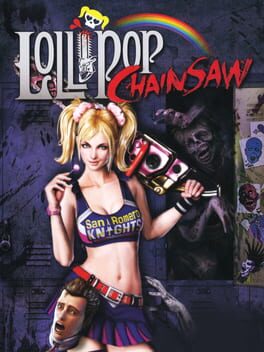
In a move that reverberates through the corridors of both Japanese and global game development, Grasshopper Manufacture has officially severed its corporate ties with Chinese tech giant NetEase, re‑emerging as an independent studio after a turbulent three‑year partnership. The announcement arrives at a moment when the industry is witnessing a recalibration of cross‑border investments: Chinese firms, once eager to flood the market with capital, are now retreating under regulatory pressure and a wave of strategic consolidations. For Grasshopper, whose reputation for avant‑garde titles such as Killer7, No More Heroes, and Lollipop Chainsaw has cultivated a cult following, the split signals a potential return to the unbridled creativity that defined its early years under the singular vision of Goichi Suda (Suda51).
Grasshopper's journey from a boutique developer in the late 1990s to a NetEase‑owned entity mirrors broader trends in the last decade, where Western and Asian publishers have pursued aggressive acquisition strategies to secure pipelines of IP and talent. NetEase’s 2021 purchase of the studio was part of a larger push to diversify beyond its dominant mobile portfolio, aiming to capture a slice of the console market through high‑profile collaborations. However, the subsequent contraction of NetEase’s overseas investments—marked by studio closures and the abrupt withdrawal of funding from ambitious projects like Toshihiro Nagoshi’s Gang of Dragon—has left Grasshopper at a crossroads, prompting both a strategic and existential reassessment.
What Happened?
The formal statement released by Grasshopper Manufacture emphasized mutual respect, noting that “we continue to cherish the amazing relationship our companies built.” Yet beneath the diplomatic phrasing lies a decisive pivot: Grasshopper will now operate without the financial safety net previously provided by NetEase, reclaiming full control over its development roadmap, publishing decisions, and intellectual property rights. The split also means that any ongoing projects funded under NetEase’s umbrella will need to be renegotiated, potentially leading to delays or re‑scoping as the studio aligns its resources with a leaner budgetary framework.
Industry insiders suggest that the departure was not solely a top‑down decision but also reflected internal pressures from key creative staff who feared that NetEase’s corporate oversight could dilute Grasshopper’s signature eccentricity. Suda51 has historically championed a development philosophy that embraces risk, narrative absurdity, and unconventional gameplay mechanics—elements that can clash with the data‑driven, ROI‑focused mandates often imposed by large investors. By stepping back into independence, Grasshopper hopes to re‑establish its brand identity, possibly revisiting the experimental design ethos that earned it critical acclaim in the early 2000s.
Analysis
The immediate market impact of Grasshopper’s independence is two‑fold. On one hand, the studio regains the agility to pursue niche projects that may not meet the commercial thresholds demanded by a conglomerate like NetEase, thereby reinforcing the diversity of experiences available on current generation consoles and handhelds such as the PlayStation 5, Xbox Series X|S, and Nintendo Switch. On the other hand, the loss of a deep-pocketed backer introduces financial volatility, especially in an era where development costs for AAA‑level titles have ballooned beyond $100 million. Grasshopper will likely need to explore hybrid financing models—combining traditional publishing deals, strategic partnerships, and perhaps even crowd‑sourced funding—to sustain its pipeline.
From a competitive standpoint, Grasshopper’s move underscores a broader shift among mid‑tier developers who are reassessing the value of corporate ownership versus creative sovereignty. As rivals like PlatinumGames and FromSoftware continue to thrive under parent companies that respect their artistic autonomy, Grasshopper’s decision may inspire a wave of “studio re‑emancipation” across the industry. However, the technical hurdles remain significant: maintaining a robust engine pipeline, securing middleware licenses, and retaining talent in a market where staff poaching is rampant. The studio’s ability to navigate these challenges will determine whether its next release can recapture the critical buzz that once surrounded titles like Shadows of the Damned or whether it will become a cautionary tale of over‑ambitious independence.
XPLog Opinion
At XPLog UK, we view Grasshopper’s emancipation as a bold, albeit risky, affirmation that creative integrity still commands a premium in a profit‑driven ecosystem. The studio’s track record of defying genre conventions suggests that, if adequately funded, its next project could set a new benchmark for narrative daring on current hardware. Nonetheless, we caution investors and partners to temper enthusiasm with pragmatic support structures—whether through staggered publishing agreements or shared technology stacks—so that Grasshopper’s artistic ambitions are not undermined by fiscal shortfalls.
Final Thoughts
Grasshopper Manufacture’s departure from NetEase marks a pivotal moment that could reshape the balance between corporate backing and creative freedom in the global gaming landscape. As the studio charts its independent course, stakeholders should watch for announcements regarding new publishing partnerships, platform exclusivity deals, and the first post‑NetEase title slated for release in 2027. The outcome of this experiment will not only define Grasshopper’s future but also signal to the wider industry how far developers can push the envelope when liberated from the constraints of megacorp ownership.