.png)
Overview
Grasshopper Manufacture has long been a cult beacon in the Japanese development scene, carving a niche with idiosyncratic action titles that blend stylised violence, off‑beat humor, and auteur‑driven storytelling. From the neon‑lit streets of *No More Heroes* to the gothic‑infused corridors of *Shadows of the Damned* and the hyper‑candy chaos of *Lollipop Chainsaw*, the studio, founded by the mercurial Suda51, earned a reputation for daring design choices that often defied mainstream market expectations. This reputation made Grasshopper an attractive acquisition target for NetEase Games in 2021, a period when the Chinese tech giant was aggressively expanding its global portfolio, seeking to blend Western creative flair with its deep distribution channels and financial muscle.
In the years that followed, the partnership yielded mixed results. While NetEase’s backing enabled Grasshopper to secure larger budgets and a more secure pipeline, many observers noted a subtle shift in the studio’s output, with a growing emphasis on mobile‑oriented projects and a cautious approach to experimental mechanics. As the indie renaissance surged across platforms—fuelled by the success of titles on the Nintendo Switch, Steam, and emerging cloud services—developers and players alike began to champion creative autonomy as a competitive advantage. Grasshopper’s recent declaration of independence arrives at a moment when the industry is re‑evaluating the balance between corporate support and the freedom to innovate, making the split a bellwether for future studio‑publisher dynamics.
What Happened?
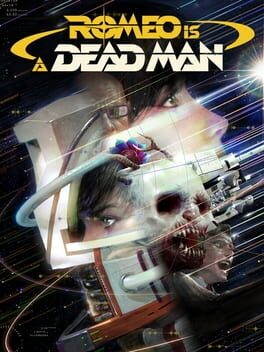
In a concise statement released earlier this week, Grasshopper Manufacture confirmed that it is no longer owned by NetEase Games, effectively returning to its roots as an independent studio. The announcement followed the release of *Romeo Is a Dead Man*, a title that marked the studio’s most recent foray into experimental narrative design and served as a litmus test for its post‑acquisition creative direction. According to the press release, the decision to part ways was mutually agreed upon after “extensive discussions” and reflects Grasshopper’s desire to “deliver titles in an even wider variety of styles to video game lovers everywhere.” The phrasing suggests a strategic pivot rather than a hostile split, indicating that both parties recognised the divergent trajectories of their long‑term visions.
Operationally, the split signals that Grasshopper will now seek funding and distribution on a project‑by‑project basis, likely leveraging its established relationships with console manufacturers and digital storefronts. While NetEase has not disclosed any retention of intellectual property rights, the lack of explicit statements leaves room for speculation about the future stewardship of franchises such as *No More Heroes*. Nonetheless, the studio’s leadership has emphasized that the newfound independence will empower them to experiment across genres without the commercial constraints often imposed by a larger parent company, a promise that resonates strongly with a fanbase hungry for the unconventional experiences that have defined Grasshopper’s legacy.
Analysis
The ramifications of Grasshopper’s emancipation ripple across several market vectors. From a financial perspective, the studio now faces the classic indie dilemma of securing capital while maintaining creative control—a balance that can be struck through episodic funding models, strategic publishing deals, or crowd‑sourced campaigns. Competitively, the move positions Grasshopper to re‑engage directly with platform holders such as Nintendo, whose Switch ecosystem has historically championed quirky, auteur‑driven titles, potentially revitalising the *No More Heroes* series for a new generation of players. Moreover, the split underscores a broader industry trend where major publishers are recalibrating their investment strategies, opting to retain only those studios that align tightly with long‑term franchise roadmaps. For Grasshopper, this could translate into a more nimble development cadence, enabling rapid prototyping and faster time‑to‑market—an advantage in an era where streaming platforms and subscription services are reshaping consumption patterns.
XPLog Opinion
At XPLog UK, we view Grasshopper’s return to independence as a courageous gamble that could reignite the studio’s most compelling era. The freedom to chase eclectic ideas without the weight of a corporate mandate may well produce the next wave of genre‑bending experiences that fans have long associated with Suda51’s vision. While the financial uncertainties are real, the current climate—marked by a thriving indie market, robust digital distribution, and a player base eager for novelty—offers a fertile ground for Grasshopper to thrive. Should the studio manage to secure strategic partnerships that respect its artistic latitude, we anticipate a resurgence of titles that not only honor its storied past but also push the boundaries of interactive storytelling.
Final Thoughts
Grasshopper Manufacture’s split from NetEase marks a pivotal moment that could reshape both its own trajectory and the broader conversation around creative independence in game development. As the studio prepares its next announcements—potentially as early as the upcoming summer showcase—players and industry watchers should keep an eye on how Grasshopper balances funding realities with its trademark audacity. Whether it revives the *No More Heroes* saga, ventures into uncharted genre territory, or pioneers new distribution models, the studio’s renewed autonomy promises to deliver a fresh chapter in the ever‑evolving narrative of indie excellence.