.png)
Overview
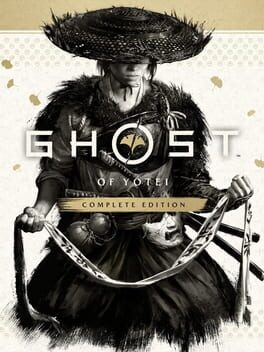
When Sucker Punch announced the Ghost of Yotei: Complete Edition, the gaming press immediately noted the breadth of post‑launch support the studio has been layering onto its ambitious, samurai‑themed action‑RPG. The original launch in early 2024 positioned the title as a spiritual successor to the studio’s earlier narrative‑driven experiments, yet the market response was mixed, prompting a strategic pivot toward a more service‑oriented roadmap that mirrors trends set by industry heavyweights such as Ubisoft and EA. By bundling the core game with a suite of additional modes, balance patches, and now a trove of crossover armor sets, Sucker Punch is attempting to both re‑energize its existing player base and attract newcomers who might be swayed by recognizable franchises appearing on a third‑party title.
In the broader console ecosystem, this move arrives at a time when Sony, Microsoft, and Nintendo are each courting developers to embed exclusive cosmetic content that can act as a soft‑sell for their platforms. The inclusion of skins from Astro Bot (PlayStation), Journey (PlayStation), and Helldivers (PlayStation) is not merely fan service; it is a calculated alignment with Sony’s cross‑title branding strategy, suggesting that Ghost of Yotei could become a de‑facto showcase for PlayStation‑centric nostalgia while still remaining available on Xbox and PC. The timing also coincides with the industry’s ongoing debate over the value of cosmetic DLC versus substantive gameplay expansions, a conversation that will shape how the Complete Edition is received by both critics and the community.
What Happened?
The latest announcement from Sucker Punch details the introduction of a brand‑new "Most Wanted" mode, a roguelike‑styled gauntlet that pits players against a sequence of escalating combat challenges before culminating in a showdown with one of the notorious Yotei Six. Completion of this mode unlocks a curated set of armor skins, each meticulously modeled after iconic titles from the PlayStation library. Players can now dress the series’ protagonist, Atsu, in the sleek chrome of the Astro Bot suit, the ethereal robes from Journey, or the battle‑worn exoskeleton of Helldivers, each accompanied by unique visual effects that celebrate the source material.
Beyond the cosmetic allure, the Most Wanted mode introduces a fresh gameplay loop that leverages procedural generation and permadeath mechanics, encouraging repeated runs and fostering a community‑driven meta as players share optimal strategies for each Yotei Six encounter. Sucker Punch’s lead designer, Maya Liao, emphasized in a recent developer diary that the mode was conceived to extend the game's longevity without fragmenting the core narrative experience, positioning it as an optional yet rewarding side‑quest for completionists and competitive players alike.
Analysis
From a market perspective, the decision to embed high‑profile IP skins within a roguelike framework is a savvy attempt to tap into two lucrative consumer segments simultaneously: the nostalgia‑driven collector and the skill‑oriented endurance gamer. Historically, titles that have successfully married cosmetic cross‑overs with substantive new modes—such as Fortnite’s Marvel collaborations or Apex Legends’ seasonal events—have seen spikes in player engagement and, crucially, in microtransaction revenue. While Ghost of Yotei’s armor sets are sold as part of the Complete Edition rather than as a pay‑to‑unlock add‑on, the precedent suggests that future updates could adopt a tiered model, offering limited‑time skins for a fee, thereby unlocking a recurring income stream that aligns with the live‑service expectations of modern AAA releases.
Competitively, Sucker Punch is also positioning Ghost of Yotei against a crowded field of post‑launch content strategies. The roguelike Most Wanted mode directly challenges the popularity of titles like Hades and Returnal, both of which have demonstrated that procedural combat can sustain player interest long after the initial launch. By integrating recognizable visual assets, Sucker Punch may also be hedging against the risk of player fatigue; the novelty of donning a beloved Astro Bot suit could serve as a psychological incentive to re‑enter the gauntlet, extending the game's active user base well into 2025 and beyond.
XPLog Opinion
At XPLog UK we view the Complete Edition as Sucker Punch’s most decisive statement yet: the studio is no longer content to rely solely on narrative depth; it now embraces the economics of cosmetic allure and replayability. This hybrid approach could very well redefine how mid‑tier action‑RPGs sustain relevance in a market dominated by battle‑royales and live‑service shooters, proving that thoughtful cross‑branding combined with robust, repeatable content can carve out a profitable niche without sacrificing artistic integrity.
Final Thoughts
In sum, Ghost of Yotei: Complete Edition represents a calculated evolution for Sucker Punch, marrying the studio’s storytelling pedigree with a market‑savvy content pipeline that leverages iconic PlayStation IP. As the Most Wanted mode rolls out later this quarter and the armor sets become available across all platforms, the industry will be watching to see whether this blend of nostalgia, roguelike design, and post‑launch monetisation can set a new benchmark for mid‑budget titles seeking longevity in an ever‑competitive console landscape.