.png)
Overview
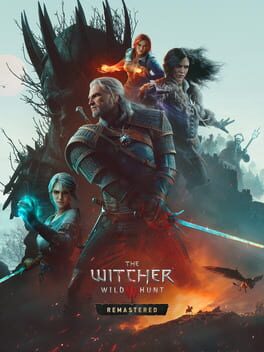
The launch of The Witcher 3: Wild Hunt Remastered for PlayStation 5 has been framed as a celebration of one of the most beloved open‑world RPGs of the last decade, a chance to showcase CD Projekt Red's technical polish on next‑gen hardware, and a platform for new revenue streams through post‑launch content. Yet amid the glossy trailers of ray‑traced foliage and a smoother frame‑rate, the studio quietly announced a micro‑transaction that resurrects a piece of gaming folklore: horse armour for Geralt’s steadfast steed, Roach. This seemingly innocuous add‑on is not merely a cosmetic flourish; it is a direct echo of the industry’s darkest DLC lesson, the 2006 Bethesda Oblivion horse armour pack that became a cautionary tale about monetising content with negligible gameplay value.
To understand why this announcement reverberates beyond a simple vanity item, one must trace the evolution of downloadable content from the early 2000s, when publishers experimented with optional expansions, to the present era of live‑service ecosystems. The early experiments—such as Bethesda’s infamous $2.50 horse armour—were born out of a nascent digital storefront, where developers were still learning the balance between optional polish and perceived exploitation. Over the ensuing decade, the market matured, with titles like The Witcher 3 itself pioneering substantial, story‑driven expansions that set a high bar for value. The current climate, however, sees a resurgence of low‑effort cosmetic DLCs, especially on platforms that reward micro‑transactions with steady post‑launch cash flow. CD Projekt Red’s decision to ride this wave invites scrutiny not only of their monetisation philosophy but also of the broader expectations of a player base that has grown increasingly vocal about content quality.
What Happened?
During a livestreamed showcase of the PS5 remaster, CD Projekt Red revealed a new optional purchase: a set of ornamental horse armour that can be equipped on Roach. Priced at a modest $4.99, the pack includes a selection of historically inspired designs—ranging from medieval barding to a sleek, futuristic plating—each presented as a purely aesthetic upgrade with no impact on gameplay mechanics, speed, or combat. The studio framed the offering as a “collector’s item” for fans who wish to personalise their journey through the war‑torn Northern Kingdoms, emphasizing the high‑resolution textures and the way the new models leverage the PS5’s enhanced lighting pipeline.
Accompanying the visual reveal, senior producer Marcin Iwiński addressed community concerns by noting that the horse armour is entirely optional and that all core gameplay content remains untouched. He positioned the DLC as a nod to the series’ long‑standing tradition of rewarding dedication, pointing out that previous expansions—such as “Hearts of Stone” and “Blood and Wine”—were full‑fledged narrative experiences that set a precedent for high‑value post‑launch support. By contrast, the horse armour is marketed as a “cosmetic celebration,” a move that, while financially modest, has ignited a debate about the line between fan service and opportunistic monetisation.
Analysis
The introduction of a horse‑armour DLC at this juncture is emblematic of a broader industry shift toward granular monetisation. As consoles like the PS5 and Xbox Series X mature, publishers are increasingly leveraging the higher bandwidth and storage capacities to push frequent, low‑cost cosmetic updates that keep the storefront active. This strategy mirrors trends observed in live‑service titles such as Fortnite and Call of Duty, where micro‑transactions constitute a significant portion of revenue. For CD Projekt Red, a studio that earned a reputation for eschewing aggressive DLC practices, the move could be interpreted as a pragmatic response to shareholder pressure to extract additional value from an already monetised IP, especially given the sizable install base of the remastered edition.
However, the historical baggage of the “worst DLC ever” label cannot be ignored. Bethesda’s 2006 horse armour, though cheap, sparked a backlash that reverberated through the industry, prompting developers to reconsider the perceived value of cosmetic add‑ons. In the years since, consumer tolerance for low‑impact DLC has ebbed and flowed, with high‑profile missteps—such as the “Star Wars Battlefront II” loot‑box controversy—reinforcing the need for transparency and genuine value. CD Projekt Red’s current offering risks being seen as tone‑deaf if the community interprets it as a cash grab rather than a heartfelt tribute, potentially eroding the goodwill built by the original Witcher 3 launch.
XPLog Opinion
From XPLog’s perspective, the horse‑armour DLC is a miscalculated flashpoint that underscores the tension between artistic integrity and commercial imperatives. While the visual fidelity of the new skins showcases the PS5’s capabilities, the decision to monetise a purely aesthetic enhancement—especially one that resurrects a notorious DLC archetype—signals a worrying pivot away from CD Projekt Red’s legacy of substantive, story‑driven expansions. In an era where players demand both technical excellence and meaningful content, the studio would be better served by bundling such cosmetics into a larger, narrative‑rich pack or offering them as a complimentary perk for early adopters of the remaster, thereby preserving trust while still capitalising on the platform’s capabilities.
Final Thoughts
In sum, the horse‑armour DLC for The Witcher 3 Remastered serves as a litmus test for how legacy studios navigate the delicate balance between fan‑service and monetisation in the next‑gen landscape. As the PS5 version rolls out globally over the coming weeks, the community’s reaction will likely influence whether CD Projekt Red doubles down on micro‑transactions or recalibrates its post‑launch strategy toward more substantial, value‑driven content. Keep an eye on the upcoming Q3 earnings call and any future DLC roadmaps, as they will reveal whether this modest cosmetic offering is an isolated experiment or the first step of a broader shift in the studio’s revenue model.