.png)
Overview
When Strange Scaffold first burst onto the indie radar with the bewildering premise of trading space‑born infants on a galactic exchange, the industry took note: here was a studio that refused to be pigeonholed by genre conventions. Their follow‑up, a surreal simulation where players literally run pedestrians over with a delivery truck, cemented a reputation for courting the uncanny and the absurd. In an era where indie developers are increasingly pressured to chase viral moments or lean on established IPs, Strange Scaffold has carved a niche by embracing the fringe, delivering experiences that feel like interactive oddities rather than polished mainstream titles. This reputation has cultivated a loyal, if eclectic, fanbase that eagerly anticipates each new announcement, knowing that the studio will likely subvert expectations in the most delightful ways.
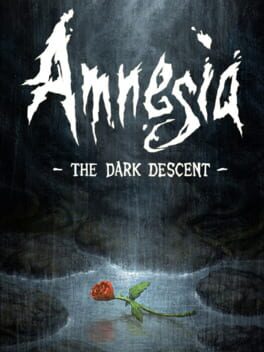
The current wave of horror‑themed indie releases—from the atmospheric dread of "Amnesia: The Dark Descent"’s spiritual successors to the kinetic terror of "Dead Cells"’s roguelike‑horror hybrid—has shown that there is a robust market for games that blend narrative intrigue with unsettling environments. A haunted library, with its towering shelves, echoing footfalls, and the promise of forbidden knowledge, taps directly into a long‑standing literary horror trope that has proven commercially viable. Yet Strange Scaffold’s take appears poised to inject its signature off‑kilter humor and meta‑commentary, suggesting a product that will both satisfy genre purists and attract the studio’s core audience of “freaks and weirdos.” The announcement arrives at a moment when console manufacturers are courting indie talent to diversify their libraries, making the studio’s next move a potential lever for broader platform negotiations.
What Happened?
The reveal trailer for "Something is Wrong with the Library" drops viewers into a dimly lit reading room where the protagonist—an unnamed archivist—discovers that the books themselves are mutating into hostile entities. The opening line, delivered in deadpan narration, "At the time, I didn't immediately think my boss was filling the walls of our place of business with corpses," sets a tone that is simultaneously eerie and absurd. The visual language blends low‑poly textures reminiscent of early 2000s indie titles with modern lighting effects, creating a nostalgic yet fresh aesthetic. Within the first thirty seconds, the trailer showcases a blend of puzzle‑solving, stealth evasion, and occasional combat, hinting at a hybrid design that refuses to sit squarely within any single genre box.
Strange Scaffold’s lead designer, Maya Hoshino, elaborated in a post‑launch interview that the game is intended to explore “the fear of knowledge becoming too powerful” while also satirising the endless grind of library cataloguing systems. Development began two years ago under the codename "Project Codex," initially envisioned as a narrative‑driven point‑and‑click adventure. Mid‑development, the team pivoted to incorporate procedural generation of shelving layouts and AI‑driven “book‑ghost” behaviours, a decision driven by player testing that revealed a desire for emergent horror scenarios. The studio has confirmed a multi‑platform release slated for Q2 2027, with a focus on PlayStation, Xbox, and PC, while a cloud‑gaming version is being negotiated with both major console manufacturers.
Analysis
From a market perspective, "Something is Wrong with the Library" arrives at a crossroads where indie horror titles are no longer niche curiosities but critical contributors to platform ecosystems. The game’s hybrid design—mixing puzzle, stealth, and procedural horror—positions it to capture both the narrative‑driven audience that gravitated towards titles like "Return of the Obra Dinn" and the action‑oriented crowd that favours titles such as "Hades." By offering a unique blend, Strange Scaffold can potentially secure a larger share of the $2.5 billion indie games market, especially if the procedural elements translate into high replayability, a factor that streaming platforms and content creators value for sustained viewer engagement.
Technical execution will be the decisive factor. The studio’s ambition to generate dynamic library layouts on‑the‑fly introduces significant challenges around level streaming and AI pathfinding, particularly on lower‑end consoles. However, Strange Scaffold’s previous experience with unconventional physics systems—evident in their earlier title where gravity behaved like a stock market—suggests a willingness to invest in custom middleware solutions. If they succeed, the game could set a new benchmark for procedural horror, prompting competitors to adopt similar systems, thereby raising the overall quality bar for indie horror experiences across the board.
XPLog Opinion
At XPLog UK we view "Something is Wrong with the Library" as a litmus test for how far an indie studio can push the envelope without alienating mainstream audiences. The game’s willingness to marry absurdist humor with genuine dread is a gamble that could pay off handsomely, especially as players grow weary of formulaic horror tropes. Should the title deliver on its promise of emergent scares and clever meta‑narrative, Strange Scaffold will not only solidify its cult status but also prove that there is still commercial appetite for games that defy easy categorisation—a lesson that larger publishers would do well to heed.
Final Thoughts
In sum, Strange Scaffold’s latest venture is poised to be more than just another haunted‑library set‑piece; it is a strategic statement about the studio’s evolving design philosophy and its ambition to influence the broader indie horror landscape. With a slated release in the spring of 2027 and potential showcase slots at major festivals such as IndieCade and the Game Developers Conference, the industry will be watching closely to see whether the haunted stacks become a new cornerstone of indie innovation or a cautionary tale of over‑ambitious design.