.png)
Overview
The partnership between LEGO and Nintendo, forged in 2020 with the groundbreaking Super Mario LEGO line, has become a cultural touchstone that bridges the tactile joy of brick building with the pixel‑perfect nostalgia of Nintendo's most iconic franchises. Over the past four years the collaboration has yielded dozens of high‑profile sets—from the whimsical Super Mario Starter Course to the majestic Great Deku Tree—each blending meticulous design with the playful spirit that both brands champion. This synergy has not only expanded LEGO's portfolio into the realm of interactive gaming but has also provided Nintendo with a physical conduit to reach adult collectors who grew up with both plastic bricks and 8‑bit adventures.
Within the broader toy ecosystem, retirement of LEGO sets is a predictable cadence, yet the retirement of Nintendo‑themed kits carries amplified resonance. The secondary market for retired LEGO pieces has historically experienced price inflation, a phenomenon magnified by the scarcity‑driven fervor of gaming memorabilia collectors. As we approach the midway point of the 2020‑2026 partnership window, the looming retirements signal a strategic pivot: LEGO is clearing shelf space for next‑generation IP cross‑overs, while Nintendo is subtly reshaping its physical‑product strategy to align with evolving consumer expectations and the rise of digital‑first experiences.
What Happened?
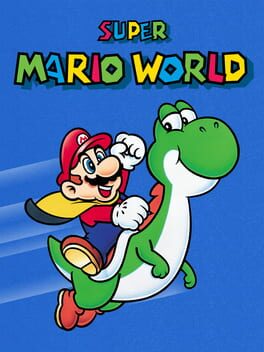
LEGO announced this week that a suite of Nintendo‑branded sets will be officially retired by the close of 2024, joining a roster that already includes the beloved Super Mario World Mario & Yoshi set and the towering Great Deku Tree. The retiring line‑up spans several themes—ranging from classic platformers to recent entries like the Pokémon‑inspired Brick‑Built Battle Arena—each slated to cease production before the end of the partnership's current phase in 2026. Retailers worldwide will see these items disappear from shelves, and the company has warned that remaining inventory will be allocated to select markets before the final drawdown.
In a brief statement, LEGO emphasized that the retirements are “a natural part of our product lifecycle,” highlighting the need to make room for upcoming collaborations that will leverage emerging technologies such as augmented reality and interactive play features. Nintendo, while not issuing a formal comment, has hinted through its social channels that new physical‑digital hybrid experiences are on the horizon, suggesting that the next wave of LEGO‑Nintendo products may integrate more deeply with the Switch ecosystem and the burgeoning cloud‑gaming landscape.
Analysis
The immediate market impact of these retirements will be felt most keenly on the secondary market, where collectors traditionally outbid one another for dwindling stock. Historical data from previous LEGO discontinuations—most notably the 2017 retirement of the LEGO Star Wars Millennium Falcon—demonstrates a price surge of 30‑50 % within six months of the announcement. With Nintendo’s fan base exhibiting higher average spend per collector than many other IPs, we can anticipate a similar, if not steeper, inflation curve. This dynamic not only fuels speculative buying but also pressures LEGO’s own inventory management, as the company must balance the desire for scarcity‑driven hype against the risk of alienating casual fans who may be priced out of entry‑level sets.
Strategically, the retirements serve a dual purpose for both partners. For LEGO, they free up mold capacity and retail real‑estate to experiment with next‑generation play experiences that blend physical building with digital interactivity—a trend exemplified by the recent LEGO VIDIYO line. For Nintendo, phasing out older sets clears the path for newer intellectual property tie‑ins, potentially aligning with upcoming franchise releases such as the next mainline Mario title or the anticipated expansion of the Pokémon Scarlet & Violet universe. This coordinated timing suggests a concerted effort to synchronize product launches with major software milestones, thereby maximizing cross‑promotional synergies across both physical and digital channels.
XPLog Opinion
From XPLog’s perspective, the retirement wave is less a lamentable loss than a strategic inflection point that underscores how seriously both LEGO and Nintendo are taking the convergence of tactile and digital play. While nostalgia will drive short‑term price spikes, the real story lies in the promise of future collaborations that could redefine the collector’s experience—imagine a LEGO set that unlocks exclusive in‑game content on the Switch, or bricks that respond to AR cues from a handheld device. Such innovations would not only reinvigorate the brick‑building community but also cement Nintendo’s relevance in an era where physical merchandise must justify its place alongside streaming services and virtual economies.
Final Thoughts
In summary, the 2024 retirement of several Nintendo LEGO sets marks the end of a fruitful chapter while setting the stage for a more integrated, technology‑forward partnership that could reshape how fans interact with both brands. Collectors should keep an eye on the official LEGO website and major retailers for the final restock windows, and anticipate announcements at major industry events—particularly Gamescom in August and the Tokyo Game Show in September—where the next wave of Nintendo‑LEGO collaborations is likely to be unveiled.