.png)
Overview
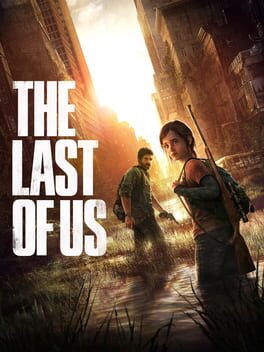
When Naughty Dog first unveiled The Last of Us on the PlayStation 3 in 2013, it did more than introduce a new franchise—it reshaped expectations for narrative‑driven action games. The title’s blend of cinematic storytelling, meticulous world‑building, and emotionally resonant characters set a benchmark that rippled across the industry, prompting rivals to invest heavily in story‑first design. Over the ensuing decade the studio has meticulously layered the universe: a heartfelt prequel DLC, Left Behind, a remastered launch on PlayStation 4, the polarising but technically masterful sequel Part II, and finally a next‑gen overhaul of both entries for PlayStation 5. Each iteration not only refreshed the graphics pipeline but also deepened the lore, cementing the series as a flagship IP for Sony’s ecosystem.
Now, on the annual Outbreak Day—an in‑universe nod to the fictional Cordyceps outbreak that occurs every September 28—Naughty Dog’s co‑creator Neil Druckmann hinted at two new, still‑secret “projects” that will extend the canon beyond the two main entries. This announcement arrives at a moment when the franchise’s television adaptation is thriving on HBO, and the broader market is witnessing a surge in transmedia storytelling. The timing suggests a strategic move: leveraging the renewed cultural relevance of the world while the studio navigates a competitive landscape where narrative franchises such as Horizon, God of War, and upcoming titles from indie powerhouses are vying for player attention.
What Happened?
During a brief blog post commemorating Outbreak Day, Druckmann disclosed that the studio has entered the early development phase of two distinct endeavors set within The Last of Us universe. He emphasized that these initiatives are still nascent, precluding any concrete details about format, scale, or release windows. Crucially, he refrained from labeling them as “games,” a linguistic choice that fuels speculation about alternative media—perhaps episodic streaming content, graphic novels, or even an interactive narrative experience that diverges from traditional console delivery. This ambiguity aligns with Naughty Dog’s historically cautious rollout strategy, where they often seed rumors to gauge community reaction before committing to a full reveal.
The developer’s statement also underscored a philosophical guardrail: any new story must earn its place in the canon. Druckmann stressed that the studio would not revisit the world unless it could contribute meaningfully to its mythology, a stance that mirrors the careful stewardship seen in other long‑running series like The Witcher or Star Wars. By anchoring the projects in “very early stages,” Naughty Dog signals that the pipeline is still flexible, allowing for iterative design, potential cross‑platform collaborations, or even integration with the ongoing HBO series, which could broaden the franchise’s reach beyond the console‑centric audience.
Analysis
The prospect of expanding The Last of Us beyond its current game‑only format carries profound market implications. Sony’s exclusive titles have long been a cornerstone of its console differentiation strategy, and extending the IP into new media could reinforce brand loyalty while attracting a broader demographic. Should one of the projects materialize as a live‑action series or a high‑budget animated mini‑series, it would echo the successful transmedia model employed by franchises like Assassin’s Creed, which leverages novels, comics, and television to sustain engagement between major releases. Moreover, the timing is strategic: with PlayStation 5 sales still climbing and the next‑gen console market stabilizing, a fresh narrative hook could catalyze a sales surge for both hardware and the upcoming remasters, especially if the new content integrates cross‑play or cross‑save functionality.
From a competitive standpoint, Naughty Dog’s cautious yet ambitious approach positions it to outpace rivals who are racing to deliver sequels in an increasingly crowded post‑apocalyptic niche. The studio’s reputation for technical excellence—evident in its use of the proprietary engine that pushes ray‑tracing, AI‑driven crowd simulation, and adaptive sound design—means any new interactive project could set a new performance bar for the platform. However, the “project” terminology also hints at potential technical hurdles: branching narratives, procedural world generation, or even VR integration would demand substantial R&D investment. If the studio opts for a non‑game format, the risk shifts toward narrative dilution, where the deep, player‑driven immersion that defines the series could be compromised. Balancing these factors will be crucial to preserving the franchise’s critical acclaim while expanding its commercial footprint.
XPLog Opinion
At XPLog we view Naughty Dog’s dual‑project tease as a calculated gamble that could redefine how legacy franchises evolve in the era of omnichannel storytelling. The decision to keep the format ambiguous is savvy; it preserves creative flexibility while stoking community speculation—a potent mix that fuels pre‑launch hype without overcommitting resources. Our stance is clear: if the studio can deliver a narrative experience that matches the emotional gravitas of the original games, whether through a new title, a serialized visual medium, or an interactive hybrid, it will cement The Last of Us as a cultural touchstone that transcends the console alone. Conversely, a misstep—especially an under‑cooked non‑interactive expansion—could erode the brand’s prestige built over a decade of meticulous craftsmanship.
Final Thoughts
In sum, Naughty Dog’s announcement marks a pivotal moment for a franchise that has already reshaped narrative expectations across gaming and television. While the exact nature of the two upcoming projects remains shrouded, the studio’s insistence on meaningful storytelling suggests a continuation of its high‑standard ethos. Players and investors alike should monitor forthcoming developer updates, especially any hints about release windows or platform integration, as these will illuminate how the company intends to leverage its flagship IP in a market hungry for deep, cross‑media experiences. The next Outbreak Day will likely bring further clues, and the industry will be watching to see whether The Last of Us can once again set the bar for narrative ambition.