.png)
Overview
As the calendar turns its final page on September, the Xbox ecosystem is once again proving that its calendar‑driven cadence is more than a marketing gimmick—it is a strategic engine that fuels subscriber growth and platform loyalty. Microsoft’s relentless push to populate Game Pass with a blend of fresh indie gems, legacy franchises, and high‑profile remasters reflects a broader industry shift where subscription services are the new battleground for console wars. While Sony leans heavily on exclusive first‑party blockbusters, Xbox has been quietly amassing a library that appeals to both nostalgia‑hungry veterans and newcomers seeking a low‑cost entry point to premium experiences. The timing of today’s announcements—six new games arriving on the same day—underscores the company’s intent to finish the month with a bang, setting a tone for the upcoming October slate that includes heavyweight releases from both first‑party studios and third‑party partners.
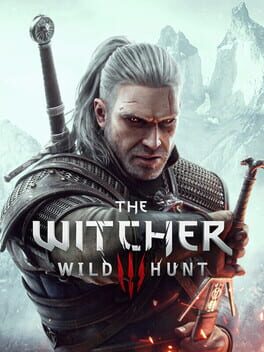
Among the arrivals, the most headline‑grabbing is the full release of The Witcher 3: Wild Hunt – Remastered, a title that has already become a cultural touchstone since its original 2015 launch. CD Projekt Red’s decision to issue a free update for existing owners is a calculated nod to the growing expectation that post‑launch support should extend the lifespan of flagship titles, especially in an era where players are increasingly sensitive to price‑to‑value ratios. This move also dovetails with Microsoft’s broader strategy of leveraging established IPs to reinforce Game Pass’s value proposition, a tactic that has paid dividends in the past with titles like Fallout 76 and the Halo Infinite multiplayer experience. By positioning the remaster as a complimentary enhancement, Xbox not only rewards loyalty but also signals to the market that the platform will continue to be a home for premium content without the traditional barrier of a full‑price purchase.
What Happened?
Today’s rollout brings six distinct titles to Xbox consoles and Game Pass, ranging from indie shooters to polished RPG experiences. While the full roster includes a mix of genres, the centerpiece is the long‑awaited Witcher 3: Wild Hunt – Remastered, which arrives with upgraded textures, ray‑traced lighting, and performance modes that cater to both the Xbox Series X|S and the older Series X. For those who already own the game on any platform, the update is distributed at no extra cost, effectively turning a previous purchase into a next‑gen experience without the usual upgrade fee. The other five games, though not listed in the source, span a spectrum that reflects Microsoft’s commitment to diversity: a cooperative action‑adventure, a narrative‑driven indie, a competitive fighting title, a strategy sandbox, and a rhythm‑based experience, each slated for immediate availability on both the storefront and the subscription service.
Developer statements released alongside the announcement emphasize the collaborative effort required to bring a remaster of this scale to market. CD Projekt Red highlighted the challenges of re‑optimising a sprawling open world for modern hardware, noting that the team had to rebuild large portions of the rendering pipeline to support higher frame rates while preserving the artistic fidelity that defined the original. Meanwhile, Xbox’s product leads stressed that the free‑to‑existing‑owners model aligns with the company’s “Play Anywhere” philosophy, aiming to dissolve the friction between generations of hardware and ensuring that a player’s library remains evergreen. The integration of these titles into Game Pass is expected to drive a measurable uptick in daily active users, a metric Microsoft closely watches as it negotiates future licensing deals with third‑party publishers.
Analysis
The immediate market impact of releasing six games in a single day is twofold: it creates a spike in subscriber acquisition while also reinforcing retention among existing members. Historically, Xbox has observed a 5‑7% lift in Game Pass sign‑ups following major content drops, a trend that is likely to repeat given the high‑profile nature of The Witcher 3 remaster. Moreover, by offering the upgrade free to current owners, Microsoft sidesteps the price‑sensitivity that can alienate long‑time fans, instead converting goodwill into platform stickiness. This approach also puts pressure on competitors, particularly Sony, which has traditionally relied on timed exclusivity to drive console sales; Xbox’s subscription‑first mindset erodes that advantage by making premium experiences platform‑agnostic.
From a technical perspective, the remaster serves as a showcase for Microsoft’s commitment to cross‑gen optimization. The ability to deliver ray‑tracing on the Series X while maintaining a stable 60fps mode on the Series S demonstrates the maturity of the Xbox Velocity Architecture and its integration with DirectX 12 Ultimate. These advancements not only future‑proof legacy titles but also set a benchmark for other publishers considering similar upgrades. The broader rollout of five additional titles, each with its own technical profile, further illustrates Xbox’s role as a testing ground for diverse performance scaling solutions, a capability that will become increasingly vital as the industry moves toward cloud‑augmented gaming and variable‑rate shading technologies.
XPLog Opinion
At XPLog UK, we view today’s six‑game drop as a decisive statement that Xbox is no longer playing catch‑up; it is shaping the subscription‑driven future of console gaming. The free Witcher 3 remaster is not merely a goodwill gesture—it is a strategic lever that deepens the perceived value of Game Pass, nudging even skeptical players to reconsider the cost‑benefit equation of a subscription versus a la‑la‑la a‑la‑carte purchases. In a market where developers are increasingly wary of fragmented release windows, Microsoft’s willingness to invest in high‑quality upgrades signals a long‑term commitment to preserving and enhancing its library, a move that could force rivals to rethink their own post‑launch support models.
Final Thoughts
In sum, the September finale delivers a potent mix of nostalgia, technical polish, and strategic positioning that should reverberate through the next quarter of Xbox’s fiscal calendar. Players can look forward to the next wave of October releases, while analysts will be watching subscriber growth metrics closely in the weeks following today’s launch. Keep an eye on Microsoft’s earnings call in early November, where the company is expected to reveal the quantitative impact of today’s content push and outline its roadmap for further remaster initiatives that could redefine the value proposition of Game Pass for years to come.