.png)
Overview
When Ubisoft unveiled Wardogs in early access, the announcement arrived at a crossroads for the battle‑royale genre, a space that has been dominated for years by titans such as Fortnite, Apex Legends, and PUBG. The market, now saturated with free‑to‑play shooters, demands not only a fresh gameplay loop but also a clear identity that can carve out a loyal player base amidst an ever‑shrinking pool of attention. Wardogs attempts to differentiate itself by marrying tactical squad‑based combat with the high‑stakes drop‑in mechanics that have become genre shorthand, positioning the title as a more methodical, team‑oriented counterpoint to the fast‑paced chaos of its competitors.
From a historical perspective, Ubisoft’s foray into the battle‑royale arena is not unprecedented; the studio previously experimented with free‑to‑play modes in titles like The Division’s Dark Zone and the less‑successful Tom Clancy’s Ghost Recon Breakpoint’s multiplayer overlays. However, the early‑access model, popularized by platforms such as Steam and the Epic Games Store, offers a sandbox for developers to iterate based on community feedback while simultaneously generating revenue streams before a full launch. For a publisher of Ubisoft’s scale, this approach represents a calculated risk: it can accelerate feature polish and balance tweaks, but it also exposes the brand to early criticism that can shape long‑term perception.
What Happened?
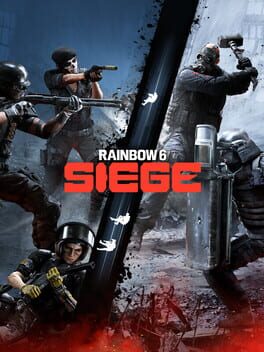
The initial public playtest of Wardogs quickly revealed a steep learning curve that even seasoned battle‑royale veterans found unforgiving. As the reviewer recounted, the simple act of deploying a parachute became a micro‑cosm of the game’s broader design philosophy—precision, timing, and situational awareness are rewarded, while missteps are punished with brutal finality. Early access players reported that the drop‑in phase is deliberately slower and more deliberate than the frantic free‑fall of other titles, encouraging scouting and map control before the first firefight erupts. This design choice aligns with Ubisoft’s legacy of fostering tactical depth, reminiscent of the squad coordination seen in Rainbow Six Siege.
Beyond the parachuting mechanic, Wardogs introduces a layered progression system that intertwines weapon customization, class specialization, and a dynamic weather engine that influences visibility and ballistics. Developer statements highlighted that these systems were built to evolve over the early‑access period, with regular patches aimed at fine‑tuning balance and expanding the roster of playable factions. The game’s monetisation strategy, anchored in cosmetic microtransactions and battle passes, is positioned to avoid pay‑to‑win pitfalls—a critical consideration given the community backlash that has plagued other free‑to‑play shooters when perceived fairness is compromised.
Analysis
From a market performance standpoint, Wardogs enters a crowded field at a time when player fatigue is palpable; the genre’s growth curve has plateaued, and only titles that innovate or deliver a distinct experience can capture sustainable revenue. Ubisoft’s emphasis on tactical realism may attract a niche segment of hardcore shooters, yet it risks alienating the broader casual audience that fuels the massive user counts of its rivals. Moreover, the early‑access feedback loop could become a double‑edged sword: while iterative updates can refine gameplay, prolonged periods of “beta‑stage” polish may erode confidence if the roadmap appears indefinite or if critical bugs persist.
Competitor dynamics further complicate Wardogs’ trajectory. Epic Games continues to dominate with cross‑platform accessibility and a relentless stream of content updates, while newer entrants like Hyper Scape have demonstrated that even well‑funded launches can falter without a clear value proposition. Technically, Wardogs’ reliance on large, open maps and real‑time weather simulations demands robust server infrastructure; any latency or matchmaking hiccups could disproportionately impact the tactical gameplay that the title champions. If Ubisoft can leverage its extensive network of studios to deliver consistent performance and community‑driven balance, Wardogs could solidify a modest yet loyal foothold in the genre.
XPLog Opinion
At XPLog UK, we view Wardogs as a bold, albeit risky, experiment that reflects Ubisoft’s willingness to re‑engineer its core competencies for a market that has become increasingly unforgiving. The game’s early‑access woes—exemplified by the unforgiving parachute mechanics—signal a commitment to depth over instant gratification, a stance that will resonate with players yearning for a more cerebral battle‑royale experience. However, Ubisoft must accelerate its content pipeline and demonstrate tangible improvements swiftly, lest the title be relegated to the annals of “promising but unfinished” releases that litter the industry’s recent history.
Final Thoughts
Wardogs’ early‑access chapter is a litmus test for Ubisoft’s capacity to reinvent its multiplayer offerings in an era where player expectations are razor‑sharp and competition is relentless. The next few months, marked by scheduled patch cycles and the anticipated full launch window, will be critical in determining whether the game can transcend its initial rough edges and claim a lasting spot on the battle‑royale map. Keep an eye on Ubisoft’s quarterly updates and community sentiment metrics, as they will provide the clearest indicators of Wardogs’ long‑term viability.