.png)
Overview
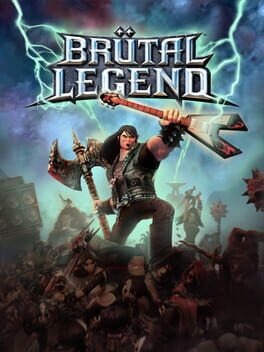
When Double Fine Productions announced its departure from Xbox Game Studios earlier this summer, the industry watched with a mixture of curiosity and apprehension. The studio, best known for cult classics such as *Psychonauts* and *Brütal Legend*, had spent nearly a decade under the Microsoft umbrella, a period that yielded both critical triumphs and the occasional compromise of creative latitude. Their split marks a return to the studio’s original independent ethos, a move that reverberates through a market increasingly dominated by first‑party exclusives and mega‑publisher consolidations.
Against this backdrop, Double Fine’s decision to launch *Thank You Bus Driver*—a whimsically absurd driving simulator—just weeks after regaining full independence is a bold statement of intent. The title arrives at a time when the indie sector is grappling with the dual pressures of visibility in crowded digital storefronts and the financial realities of self‑publishing. By opting for a rapid release schedule, the studio not only showcases its operational agility but also tests the viability of a post‑publisher launch strategy that could influence how other mid‑size developers negotiate future partnerships.
What Happened?
On Monday, Double Fine revealed that *Thank You Bus Driver* will be available for download on PC, Nintendo Switch, and PlayStation platforms within a fortnight. The game, described by lead designer Lee Petty as “a love letter to the chaotic charm of public transport,” blends physics‑based vehicular chaos with a narrative that satirises commuter culture. Development began under the Xbox banner, but the team retained full creative control, allowing the project to evolve without the typical corporate checkpoints that often temper experimental design.
In a candid developer livestream, Double Fine’s co‑founder Tim Schafer emphasized that the title is both a celebration of the studio’s newfound freedom and a strategic test of market reception without Microsoft’s promotional machinery. The announcement also hinted at a modest marketing budget, relying heavily on community outreach, influencer partnerships, and the studio’s storied reputation for quirky, high‑quality experiences. The release date positions the game just ahead of the holiday rush, a calculated gamble to capture both early‑adopter enthusiasm and the broader seasonal surge.
Analysis
The timing of *Thank You Bus Driver* is significant when viewed through the lens of platform economics. Microsoft’s recent acquisition sprees—most notably the purchase of Activision Blizzard—have intensified scrutiny on how independent studios can survive and thrive outside the orbit of a major console holder. Double Fine’s rapid post‑separation launch suggests a confidence that a well‑crafted niche title can generate sufficient sales through organic reach, especially given the studio’s loyal fanbase cultivated over two decades. Moreover, the cross‑platform strategy mitigates the risk of platform‑exclusive dependency, allowing the game to tap into the distinct user demographics of each console ecosystem.
From a technical standpoint, the decision to target the Switch alongside more powerful hardware demonstrates Double Fine’s commitment to accessibility and broad market penetration. The Switch’s portable nature aligns perfectly with a driving sim that encourages short, repeatable sessions—a design choice that could boost player retention metrics. However, the modest budget and lack of a heavyweight publisher’s distribution network may limit the title’s visibility in crowded digital storefronts, making community‑driven discovery mechanisms and post‑launch support crucial for sustained momentum.
XPLog Opinion
At XPLog UK, we view *Thank You Bus Driver* as a litmus test for the viability of mid‑scale independents operating without the safety net of a console giant. Double Fine’s willingness to lean into its eccentric brand identity, rather than dilute it for broader appeal, signals a maturing confidence that the market rewards authenticity over mass‑market homogenisation. If the title manages to carve out a respectable niche, it could embolden other studios to negotiate more equitable exit terms from publisher contracts, reshaping the power dynamics that have long favoured platform owners.
Final Thoughts
In the coming weeks, the industry will be watching *Thank You Bus Driver* not just for its quirky gameplay but for the broader narrative it writes about independent resilience in a consolidating market. Success could validate Double Fine’s post‑Xbox strategy and inspire a wave of similar bold moves, while a lukewarm reception would serve as a cautionary tale about the challenges of self‑publishing in an era dominated by heavyweight ecosystems. Regardless of outcome, the title’s launch date—set for early October—marks a pivotal moment for the studio and a bellwether for the future of indie publishing.