.png)
Overview
The Last of Us franchise has long been a cultural touchstone for PlayStation, and this year’s commemorative event marks a deliberate effort by Sony and Naughty Dog to deepen that bond at a time when the console market is fragmenting across generations and subscription services. By aligning the celebration with the release of new PSN Avatars, a limited‑edition Ghost of Yotei DLC, and a line of collectible figures, the company is not merely rewarding fans but also reinforcing the visual identity of the PlayStation 5 ecosystem, a tactic reminiscent of the early‑2000s era when custom avatars and physical merch were used to cement brand loyalty.
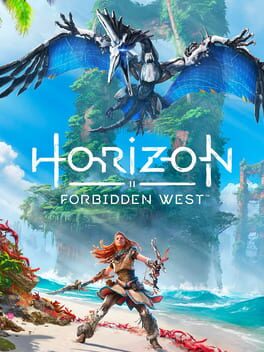
Beyond the surface‑level fan service, the partnership with AbleGamers and the inclusion of the notoriously brutal No Return mode from The Last of Us II Remastered signals a broader shift toward accessibility and inclusive design within high‑budget narrative games. This mirrors industry‑wide movements sparked by titles such as Horizon Forbidden West’s adaptive triggers and Xbox’s Adaptive Controller, indicating that major publishers now see accessibility as a market differentiator rather than a niche concern. In the context of a post‑pandemic gaming landscape, where streaming, cross‑play, and community‑driven events dominate, The Last of Us Day serves as a micro‑cosm of how legacy franchises can adapt to contemporary expectations while still capitalizing on nostalgia.
What Happened?
On the designated The Last of Us Day, Naughty Dog hosted a live broadcast that featured AbleGamers representatives guiding viewers through the grueling No Return mode, a variant of the game that imposes permanent death and limited checkpoints, thereby amplifying the emotional stakes that the series is renowned for. Simultaneously, the studio unveiled a redemption code that grants players immediate access to a fresh set of PSN Avatars—stylized renditions of Ellie, Joel, and the series’ iconic firefly emblem—designed to adorn both PS5 and PS4 profiles, reinforcing a unified cross‑generation identity.
In addition to the digital rewards, the announcement included a surprise drop of the Ghost of Yotei DLC, a narrative expansion that explores a previously untapped storyline set in the post‑apocalyptic outskirts of Japan, broadening the series’ geographical canvas and hinting at future global collaborations. Physical merchandise, including high‑detail figurines of the protagonists and limited‑edition art books, were also made available through pre‑order, creating a multi‑layered revenue stream that taps into both the digital and collector markets. The rollout is scheduled to continue through 2026, aligning with the franchise’s next major milestone—a new entry rumored to leverage the next‑gen hardware capabilities of the PS5 Pro.
Analysis
The timing of this celebration dovetails with Sony’s broader strategy to solidify the PlayStation 5’s market share against the backdrop of Microsoft’s aggressive Xbox Game Pass expansion. By intertwining avatar customization, exclusive DLC, and tangible collectibles, Sony is effectively constructing a loyalty loop that extends beyond a single title, encouraging players to remain within the PlayStation ecosystem for both digital and physical experiences. This mirrors the successful model employed during the launch of God of War Ragnarök, where cross‑media tie‑ins amplified long‑term engagement and drove hardware sales during the holiday quarter.
Moreover, the emphasis on accessibility through AbleGamers not only fulfills a moral imperative but also opens the franchise to a broader demographic, potentially expanding the player base in regions where adaptive gaming solutions are gaining governmental support. The Ghost of Yotei DLC’s focus on an Asian setting could be read as a strategic move to capture the rapidly growing East Asian market, where narrative‑driven games have historically struggled to achieve mainstream penetration. By localizing content and partnering with regional developers, Naughty Dog may be laying groundwork for future collaborations that could diversify the series’ cultural resonance and unlock new revenue channels.
XPLog Opinion
From XPLog’s perspective, The Last of Us Day is less a nostalgic gimmick and more a calculated reinforcement of Sony’s brand architecture, blending community engagement, accessibility advocacy, and merch‑driven monetisation into a single, high‑visibility event. The initiative demonstrates that even a franchise as mature as The Last of Us can still serve as a catalyst for ecosystem growth, provided the publisher aligns its creative output with evolving market expectations and leverages the full spectrum of digital and physical touchpoints.
Final Thoughts
As the celebration rolls out over the coming months, the real test will be whether these layered incentives translate into sustained engagement and incremental sales, especially as the industry eyes the next wave of console hardware and subscription competition. Keep an eye on the upcoming release windows for the Ghost of Yotei DLC and the next major console‑exclusive title slated for 2026, as they will reveal how effectively Sony can convert fan‑centric events into long‑term ecosystem resilience.