.png)
Overview
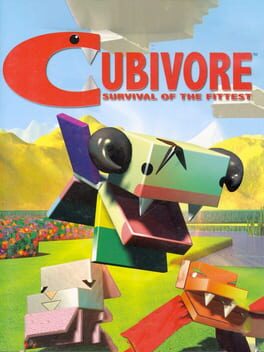
The phenomenon known as Box Art Brawl has quietly become one of the most watched micro‑events in the retro‑gaming calendar. Originating as a tongue‑in‑cheek feature on NintendoLife, the series pits the visual identity of classic titles against each other, allowing fans to vote for the cover that best captures the spirit of an era. In an age where pixel‑perfect emulation and high‑definition remasters dominate headlines, the focus on cardboard‑bound nostalgia reminds us that the first impression of a game still lives on the shelves of collectors and the memory banks of long‑time players. The previous installment, a showdown between the eccentric GameCube oddity Cubivore: Survival of the Fittest and its Japanese counterpart, demonstrated how regional taste can sway outcomes—North America claimed a 63 % majority, underscoring divergent cultural affinities for quirk versus familiarity.
This week’s entry elevates the contest to a legendary tier by featuring the iconic NES title Dragon Quest II: Luminaries of the Legendary Line. First released in 1987 under the Dragon Warrior II moniker in North America, the game’s box art—an exuberant illustration of a heroic party against a dragon‑spotted sky—has been reproduced on countless re‑issues and collector’s editions. Its visual language not only epitomises the 8‑bit era’s bold color palettes but also serves as a cultural touchstone for the RPG boom that reshaped the industry. By selecting this venerable entry, the organizers have tapped into a deep well of sentiment that stretches from the original Famicom launch pads to today’s streaming retrospectives.
What Happened?
The latest Box Art Brawl was announced on NintendoLife with a teaser image that juxtaposed the original Japanese artwork against the Western release, each rendered in high resolution for modern browsers. The voting window opened for ten days, during which registered users could cast a single vote for the cover they felt best represented the game’s legacy. The competition was framed not merely as a popularity contest but as a study in how visual branding evolves across markets. Early indicators showed a near‑even split, with the Japanese edition edging ahead in the first 48 hours thanks to a surge of votes from overseas collectors who cherish the original’s intricate line work and gold‑leaf embossing.
When the results were finally tallied, the Japanese box art emerged victorious with a slim 54 % share, a reversal of the previous NA‑dominant outcome. In a brief statement, the editorial team behind Box Art Brawl highlighted the “unexpectedly strong resonance of classic Japanese illustration styles among today’s global audience,” noting that the win reflects a broader shift toward appreciating authentic regional designs. Community chatter on Reddit’s r/retrogaming and the NintendoLife comments section echoed this sentiment, with many users praising the craftsmanship of the original artwork and debating the merits of localized adaptations that often simplified or altered the visual narrative for Western markets.
Analysis
From a market perspective, the triumph of the Japanese cover underscores the growing commercial viability of retro‑oriented merchandise. Collectors are increasingly willing to pay premium prices for first‑edition prints, and a win in a public voting arena can catalyse a spike in demand for physical reproductions, be it through limited‑run art prints or deluxe re‑issues that restore the original artwork. This trend dovetails with Nintendo’s own strategy of leveraging its heritage catalog, as seen in the recent rollout of the NES Classic Mini and the forthcoming “Retro Collection” line that promises to re‑package classic titles with their authentic packaging. By spotlighting the aesthetic value of these boxes, Box Art Brawl effectively becomes a low‑cost marketing engine that fuels ancillary revenue streams without the need for new development cycles.
Competitor dynamics also come into play. While Sony and Microsoft have largely focused on next‑gen hardware and live‑service ecosystems, Nintendo continues to cultivate a nostalgic ecosystem that appeals to both older gamers and younger audiences discovering retro culture for the first time. The success of this particular duel may encourage other publishers to revisit their archival assets, potentially leading to a wave of “box‑art‑first” campaigns that celebrate legacy branding. Technically, the challenge lies in digitising aging artwork with sufficient fidelity for modern displays—a process that has spurred advancements in archival scanning and colour‑profiling that benefit museums and libraries alike.
XPLog Opinion
At XPLog UK we view Box Art Brawl not merely as a quirky fan‑driven poll but as a barometer of where the industry’s emotional capital is flowing. The decisive win for the Japanese Dragon Quest II cover signals that players are craving authenticity and a reconnection with the artistry that defined the early console era. This is a clear indicator that future releases—whether remasters, re‑prints, or entirely new IPs—must respect the visual heritage that forged the original fanbase. Ignoring this trend could alienate a demographic that still drives a significant portion of hardware sales, especially in markets where retro‑gaming conventions remain cultural staples.
Final Thoughts
Box Art Brawl’s latest duel has reaffirmed that the power of a well‑crafted cover extends far beyond the shelf; it is a cultural artifact capable of uniting disparate player communities and influencing market dynamics. As the next voting round is slated for early next year—rumoured to feature a clash between the iconic Metroid and Castlevania covers—industry watchers should keep an eye on how these outcomes shape future packaging decisions, collector‑focused releases, and the broader conversation about preserving gaming’s visual history.