.png)
Overview
When Ubisoft unveiled the Rayman Legends Retold Launch Edition for the Nintendo Switch this December, the announcement rippled through both nostalgic platform‑gaming circles and the broader console market. The Rayman franchise, a cornerstone of European platform design since the early 1990s, has long been celebrated for its vibrant art direction, kinetic level design, and the way it consistently pushes the limits of each hardware generation. This latest iteration arrives at a time when physical media is increasingly relegated to collector’s niches, yet Nintendo’s hybrid console continues to dominate sales charts, prompting publishers to re‑evaluate how they package premium content for a discerning, often retro‑leaning audience.
Industry analysts have observed that the current console ecosystem is fragmented between digital‑first strategies and a lingering demand for tangible collectibles that convey prestige. Ubisoft’s decision to bundle “extra goodies” with the Retold edition—ranging from exclusive artwork to a limited‑run physical cartridge that deviates from the standard Switch card format—mirrors a broader trend where publishers leverage scarcity and aesthetic appeal to drive incremental revenue. The timing aligns with the holiday shopping surge, a period historically critical for platformers that rely on family‑friendly appeal, and it also reflects Ubisoft’s renewed focus on leveraging its IP libraries to sustain relevance amid fierce competition from both indie titles and blockbuster franchises.
What Happened?
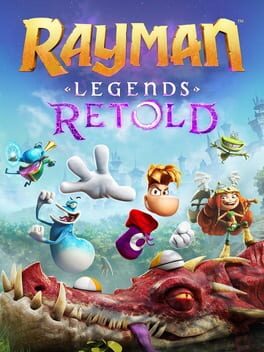
The launch edition of Rayman Legends Retold does not simply re‑release the acclaimed 2013 platformer; it revisits the title with a curated set of enhancements that cater to both newcomers and longtime fans. While the core gameplay remains untouched—retaining the rhythm‑based levels, cooperative multiplayer, and the signature “Lums” collection system—the edition adds a suite of visual upgrades, including a refreshed UI that pays homage to the series’ original hand‑drawn aesthetic. Moreover, Ubisoft has included a physical “collector’s box” that houses a specially designed game card, which notably forgoes the standard Switch cartridge form factor in favor of a more premium, metal‑clad insert, a move that signals an attempt to elevate the tactile experience of owning a Switch title.
Beyond the hardware novelty, the package is packed with ancillary content: a 48‑page art book chronicling the evolution of Rayman’s design language, a set of enamel pins featuring iconic characters, and a digital code granting access to an exclusive “Retro Remix” soundtrack that reimagines classic tracks with modern orchestration. Ubisoft’s marketing team emphasized that these extras are not merely vanity items but are intended to deepen player immersion and foster a sense of community among collectors. The announcement also hinted at future post‑launch support, including seasonal events that will integrate the new cosmetic assets, thereby extending the title’s lifecycle well beyond the initial holiday window.
Analysis
From a market performance perspective, the Retold edition positions Ubisoft to capture a slice of the high‑margin collector segment that has proven resilient even as overall physical sales decline. By offering a differentiated physical product that deviates from the ubiquitous plastic cartridge, Ubisoft creates a perceived scarcity that can drive secondary‑market demand, a tactic successfully employed by limited‑run releases from Nintendo and Sony in recent years. This strategy also mitigates the risk of cannibalizing digital sales, as the added tangible value is unlikely to be replicated in a standard e‑shop download, thereby preserving the premium pricing tier.
Competitor dynamics further underscore the significance of this move. Nintendo’s own “Game of the Year” editions and Square Enix’s “Ultimate” bundles have set a precedent for leveraging nostalgia while bundling exclusive physical artifacts. Ubisoft’s choice to focus on a legacy platformer rather than a newer AAA title suggests a calculated bet that core gamers still crave high‑quality, family‑friendly experiences that can be shared in a living‑room setting. Technically, the decision to produce a non‑standard cartridge presents logistical challenges—manufacturing tolerances, supply‑chain coordination, and compliance with Nintendo’s certification process—but the payoff lies in reinforcing brand prestige and demonstrating Ubisoft’s willingness to invest in physical innovation despite the industry’s digital drift.
XPLog Opinion
At XPLog UK we view Rayman Legends Retold’s launch edition as a bold, albeit niche, statement that physical media can still be a strategic differentiator when paired with thoughtful curation; it reminds publishers that the emotional weight of a well‑crafted collector’s item can translate into brand loyalty that outlasts the fleeting hype of a digital discount.
Final Thoughts
Ultimately, the Rayman Legends Retold Launch Edition serves as a litmus test for how legacy franchises can be repackaged to satisfy both nostalgic appetites and modern market realities, and its reception will likely inform future decisions on physical releases across the Switch ecosystem, with key sales data expected to emerge in early 2027.