Overview
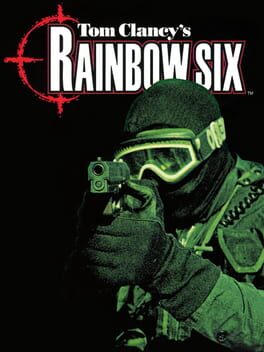
Delta Force, Team Jade's ambitious free‑to‑play tactical shooter, marked its arrival on PC in early 2022 before quickly expanding to mobile devices and the Xbox Series X|S ecosystem. From the outset, the title positioned itself as a hybrid between the methodical, squad‑based combat of classics like Tom Clancy's Rainbow Six and the fast‑paced, loot‑driven progression of modern battle‑royales, hoping to capture a niche of hardcore players yearning for a high‑skill, cross‑platform experience. Over the past two years, the game has weathered the volatile live‑service market, a period defined by shifting monetisation models, the rise of battle‑royale dominance, and a surge in esports‑focused shooters that demand constant content pipelines and razor‑sharp balance updates.
Against this backdrop, the second anniversary arrives not merely as a celebratory badge but as a strategic inflection point. The industry has seen a wave of titles using anniversary events to reinvigorate player bases—think Apex Legends' 2‑year “Season 10” overhaul or Call of Duty: Warzone's “Anniversary Update”—and Delta Force is following suit with a suite of gameplay tweaks, fresh maps, and a pronounced reorientation of its seasonal roadmap. The timing, September 26th, aligns with the broader Q4 push that many publishers employ to capture holiday spending, suggesting that Team Jade is leveraging the milestone to both reward long‑term fans and attract new entrants before the year‑end sales surge.
What Happened?
The celebration kicks off on September 26th with a week‑long barrage of daily tasks that reward players with up to 3,900 limited‑time Delta Tickets, the in‑game currency used to unlock cosmetic gear, weapon skins, and progression boosts. Among the most eye‑catching additions is a new legendary appearance for the AUG rifle, dubbed “Golden State,” a nod to the weapon’s storied legacy in tactical shooters and an attempt to deepen the personalization options that have become a cornerstone of player identity in free‑to‑play ecosystems. In parallel, Team Jade has announced a series of new maps that blend urban close‑quarters combat with sprawling, multi‑level environments, designed to test both individual reflexes and coordinated squad tactics.
Beyond cosmetics and cartography, the second‑anniversary patch introduces a restructured seasonal system that promises more frequent, bite‑sized content drops rather than the traditional three‑month cadence. This shift is a direct response to community feedback that highlighted fatigue with long‑winded seasons that often left the meta stagnant for months. New game modes—ranging from a high‑risk “Extraction” objective to a fast‑paced “Control Point Rush”—are slated to rotate weekly, offering a dynamic play loop that aims to keep player engagement metrics high while providing the data streams necessary for rapid balance iteration.
Analysis
From a market perspective, Delta Force's anniversary strategy underscores a broader industry trend: the pivot from monolithic, season‑long content drops toward a more agile, live‑service cadence. Competitors such as Valorant and Rainbow Six Siege have already embraced micro‑seasonal updates, citing improved player retention and a more resilient revenue model. By compressing its content pipeline, Team Jade not only mitigates the risk of player churn but also positions itself to react swiftly to balance concerns—a crucial factor in a genre where weapon efficacy can dictate competitive viability. Moreover, the introduction of a high‑value cosmetic like the Golden State AUG taps into the proven monetisation lever of rarity and prestige, a tactic that has propelled titles like Fortnite and Apex Legends to sustained profitability.
Technical hurdles remain, however. Maintaining parity across PC, mobile, and console platforms is a non‑trivial engineering challenge, especially when introducing new maps that must accommodate varying hardware capabilities without sacrificing visual fidelity or gameplay fluidity. Cross‑play stability, server latency, and anti‑cheat robustness will be under heightened scrutiny as the player base expands with the new content. If Team Jade can deliver a seamless experience, it will reinforce the viability of truly cross‑platform tactical shooters—a market segment that, despite its promise, has struggled to achieve mainstream adoption due to fragmented ecosystems.
XPLog Opinion
At XPLog UK, we view Delta Force's second‑anniversary overhaul as a decisive moment that could either cement its status as a niche powerhouse or relegate it to the crowded periphery of free‑to‑play shooters. The aggressive shift toward weekly content and the emphasis on community‑driven cosmetics signal a mature understanding of modern player psychology; however, execution will be the ultimate arbiter. Should Team Jade navigate the cross‑platform complexities and sustain a balanced, rewarding meta, Delta Force could emerge as the benchmark for tactical shooters that aspire to thrive beyond a single platform, reshaping expectations for future live‑service titles.
Final Thoughts
In sum, the second‑anniversary rollout is more than a festive gesture—it is a calculated gamble that blends player‑centred design, market‑aware monetisation, and technical ambition. With the daily tasks, Golden State AUG, fresh maps, and a reimagined seasonal cadence slated to roll out from September 26th onward, the next few months will be a litmus test for Delta Force's longevity. Keep an eye on the community response, the stability of cross‑play, and the revenue impact of the new cosmetic tier as the game strives to turn its two‑year milestone into a springboard for sustained relevance in an increasingly competitive FPS arena.
.png)
 XPLog
26 Sep 2026
4 min read
XPLog
26 Sep 2026
4 min read