.png)
Overview
The weekend gaming landscape has traditionally been dominated by blockbuster releases, live‑service updates, and the relentless churn of new titles across every platform. Yet, as the industry’s news cycle steadied this week, a quieter narrative emerged: seasoned players turning to the comfort of portable retro experiences. Jamie O’Neill’s decision to dust off Castlevania: Symphony of the Night on his PS Vita is emblematic of a broader shift, where the allure of classic, meticulously crafted titles is resurfacing as a counterbalance to the hyper‑polished, often monetised modern releases. This trend is not merely nostalgic indulgence; it reflects a maturing market where core gamers demand depth, replayability, and a sense of ownership that many subscription‑driven services struggle to provide.
Historically, the PlayStation Portable family has served as a conduit for preserving gaming heritage. The Vita’s hardware, with its OLED screen and robust processing capabilities, proved ideal for emulating PlayStation 1 classics without sacrificing visual fidelity. Over the past decade, the community has cultivated a thriving ecosystem of “portable PS1” libraries, leveraging official releases, homebrew solutions, and the occasional “portable classic” re‑release from publishers eager to tap into nostalgia‑driven revenue streams. O’Neill’s choice to revisit a 1997 masterpiece underscores how these preservation efforts have matured into a legitimate weekend pastime, offering both a respite from the relentless hype machine and a reminder of the artistic milestones that shaped modern action‑adventure design.
What Happened?
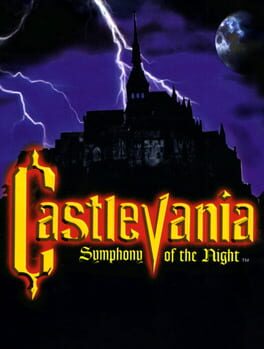
In the latest edition of the “Talking Point: What Are You Playing This Weekend?” column (Issue 651), O’Neill highlighted his current gaming session: a deep dive into Castlevania: Symphony of the Night on his PS Vita, echoing a previous foray into the series documented in Issue 639. The announcement is less about a new product launch and more about a personal endorsement of the Vita’s capability to host a seamless, high‑quality retro experience. By pairing the portable console with a timeless title, O’Neill illustrates how modern hardware can serve as a vessel for legacy content, effectively extending the commercial lifespan of games that were originally confined to disc‑based PlayStation hardware.
The underlying mechanics of this resurgence are twofold. First, the Vita’s ongoing firmware support and the availability of legitimate digital re‑releases via the PlayStation Store have lowered the barrier for players to legally acquire and enjoy PS1 classics on the go. Second, community‑driven initiatives—such as curated “retro bundles” and fan‑maintained guides—have demystified the process of configuring emulation settings, ensuring that even newcomers can experience the title as it was intended, with full sound, graphical fidelity, and the iconic “Metroidvania” exploration that has inspired countless modern indie projects. O’Neill’s public sharing of his weekend plans effectively validates these ecosystem improvements and signals to developers that there remains a viable market for re‑packaging beloved IPs in portable formats.
Analysis
The resurgence of portable retro gaming on devices like the Vita carries significant implications for both publishers and platform holders. For legacy publishers, re‑releasing titles on modern handhelds offers a low‑cost revenue stream that capitalises on existing assets while reinforcing brand equity among a demographic that values authenticity over novelty. Moreover, the success of such releases can influence console manufacturers to prioritise backward compatibility in future hardware roadmaps, as evidenced by Sony’s recent emphasis on PlayStation 5’s extensive backward‑compatible library. From a market perspective, the trend also pressures subscription services to broaden their classic catalogues, lest they lose the niche yet vocal segment of gamers who prefer owning individual titles rather than accessing them via rotating libraries. Technically, the Vita’s hardware demonstrates that even modestly powered devices can faithfully emulate early‑generation console experiences, suggesting that upcoming handhelds—potentially powered by ARM‑based architectures—could further blur the line between retro preservation and next‑gen portability.
XPLog Opinion
At XPLog UK we view O’Neill’s weekend choice as a bellwether for the core gaming community’s appetite for depth over distraction; the fact that a seasoned journalist opts to spend hours in Dracula’s castle on a handheld platform signals that the industry must respect the enduring power of well‑crafted design. Publishers should therefore consider strategic re‑releases not as mere cash grabs but as cultural stewardship, pairing classic titles with modern quality‑of‑life enhancements—such as save‑state support and customizable controls—to attract both veterans and a new generation of players hungry for substantive experiences.
Final Thoughts
As the weekend rolls on and the hype cycles for next‑gen releases continue to dominate headlines, the quiet resurgence of portable retro gaming offers a compelling counter‑narrative: that timeless design can thrive on modest hardware and that core gamers will always seek out the depth and craftsmanship embodied by titles like Castlevania: Symphony of the Night. Keep an eye on upcoming Vita digital storefront updates and Sony’s announced handheld roadmap for 2027, as they will likely dictate how far this nostalgic tide can push the industry toward a more balanced, heritage‑rich future.