.png)
Overview
When Remedy Entertainment unveiled the Control: Resonance sequel for PlayStation 5, the industry took note not only for its ambitious narrative ambitions but also for the studio's track record of post‑launch support. The Swedish developer, renowned for turning limited‑run titles like Alan Wake and the original Control into cult classics, has historically leveraged post‑release content to extend a game's commercial lifespan, nurture community engagement, and fine‑tune its creative vision. In the current console generation, where subscription services and live‑ops dominate revenue models, Remedy's decision to roll out substantive quality‑of‑life upgrades rather than headline‑grabbing DLC signals a nuanced understanding of player expectations and market economics.
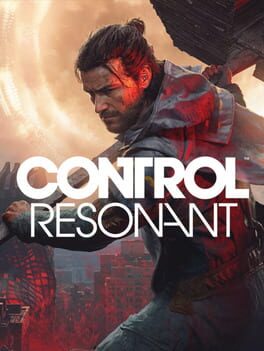
October and November have become a testing ground for Remedy’s post‑launch roadmap, as the studio announced an infinite New Game+ system and a dedicated Photo Mode for Control Resonant. These features arrive at a time when the broader industry is grappling with the balance between narrative‑driven single‑player experiences and the relentless push for monetisable add‑ons. By focusing on replayability and user‑generated content tools, Remedy is positioning Control Resonant to remain relevant in an ecosystem increasingly saturated with live-service shooters, while also catering to the core audience that values story depth and artistic expression.
What Happened?
In a concise blog post released earlier this week, Remedy confirmed that an infinite New Game+ mode will be integrated into Control Resonant in the coming months, allowing players to restart the campaign indefinitely while retaining all upgrades, gear, and narrative choices. This design choice not only amplifies the game’s longevity but also encourages multiple playthroughs to uncover hidden lore fragments and alternate outcomes—a hallmark of Remedy’s storytelling philosophy. The studio has also pledged a robust Photo Mode, complete with adjustable lighting, depth‑of‑field controls, and customizable filters, empowering players to capture the game’s surreal environments and share them across social platforms.
While the announcement is rich in feature detail, it conspicuously omits any reference to traditional story expansions or paid DLC, a departure from Remedy’s previous post‑launch strategies for titles like Alan Wake II and the original Control, which both received narrative packs. The absence of such content suggests a strategic pivot: rather than fragmenting the player base with paid add‑ons, Remedy appears intent on deepening the core experience through free enhancements that reinforce the game's artistic identity. This approach may also be a response to the mixed reception of earlier DLC models, where players expressed fatigue over fragmented narratives and incremental pricing.
Analysis
The introduction of infinite New Game+ and Photo Mode aligns with a broader industry trend where developers prioritize longevity and community‑driven promotion over immediate post‑launch revenue spikes. By enabling endless replay cycles, Remedy taps into the “completionist” mindset that fuels organic word‑of‑mouth and extends the game’s presence on streaming platforms. Moreover, a sophisticated Photo Mode serves as a free marketing engine; player‑generated content often circulates on platforms like TikTok and Instagram, amplifying visibility without additional spend. From a competitive standpoint, Remedy is differentiating itself from heavyweight shooters that rely heavily on seasonal battle passes, thereby carving a niche for narrative‑centric experiences that still offer replay value.
However, this strategy is not without risk. The absence of a paid DLC pipeline could constrain the title’s revenue tail, especially in a market where post‑launch monetisation can account for a substantial portion of a game’s total earnings. Remedy will need to rely on sustained sales, potential merchandising, and perhaps future expansions beyond the current roadmap to offset this gap. Additionally, the technical demands of implementing an infinite New Game+—such as preserving state integrity across countless resets—pose engineering challenges that could impact performance on the PS5 if not meticulously optimized.
XPLog Opinion
From XPLog’s perspective, Remedy’s move is a bold affirmation of its commitment to the core gamer demographic that values depth over dazzle. By eschewing shallow DLC in favor of tools that deepen immersion and community interaction, the studio not only safeguards the artistic integrity of Control Resonant but also sets a precedent for how narrative‑driven studios can thrive without succumbing to the subscription‑centric pressures that dominate the current console landscape.
Final Thoughts
As Control Resonant prepares to roll out these enhancements, the industry will be watching to see whether Remedy’s focus on replayability and user‑generated content can sustain momentum in a market increasingly driven by live services. Players can expect the new features to land before the year’s end, with Remedy promising further updates later in 2027. The forthcoming months will reveal whether this post‑launch philosophy translates into lasting commercial success and, more importantly, whether it reshapes expectations for narrative‑heavy titles in the next console generation.