.png)
Overview
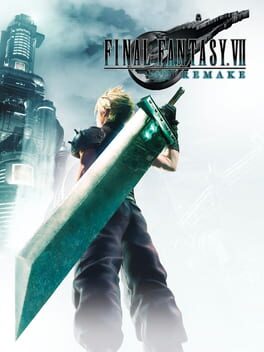
The Wild Arms franchise, once a flagship of Sony’s PlayStation era, has long occupied a nostalgic niche among RPG purists. Its blend of alchemical lore, sprawling western motifs, and turn‑based combat earned it a cult following that persisted long after the series’ last mainline entry in 2009. In recent years, the industry has witnessed a resurgence of legacy IPs—think of the successful revivals of "Final Fantasy VII Remake" and "Resident Evil 2"—which has encouraged a new generation of developers to pitch spiritual successors that marry classic design DNA with modern production values. Against this backdrop, a team of veterans from the original Wild Arms team announced a project tentatively titled "Armed Fantasia: To the End of the Wilderness," positioning it as a next‑generation homage that would leverage current hardware capabilities while retaining the series’ signature thematic grit.
At the same time, the broader console market has become a battleground for exclusive content, with Sony, Microsoft, and Nintendo each courting developers to fill their ecosystems. The promise of a Sony‑first deal often acts as a catalyst for funding, marketing muscle, and shelf‑space priority. Consequently, when the development studio presented a prototype to Sony’s internal review board, the response was lukewarm; the publisher cited concerns over market saturation and the perceived niche appeal of alchemy‑driven RPGs. This rejection set in motion a chain of events that would ultimately see the title’s fate intertwined with the financial strategies of its publisher, 505 Games, and its parent, Digital Bros.
What Happened?
In the most recent quarterly disclosure, Digital Bros confirmed that the "Armed Fantasia" project, alongside two other titles—"Directorate: Novitiate" and a sequel to the free‑to‑play "Battle Island"—would be discontinued. The statement, embedded within the company’s earnings release, cited "multiple attempts to revise their gameplay" as the primary catalyst for the decision, suggesting that iterative redesigns failed to meet internal benchmarks for quality or market viability. The cancellation was not a sudden surprise; the development team had already entered a prolonged period of redesign after Sony’s initial feedback, stretching resources thin and inflating budgets without a clear path to a publishable product.
The project's public unveiling four years ago generated a modest wave of excitement across niche forums and social media, where fans dissected early screenshots and speculated about the integration of open‑world mechanics with the franchise’s traditional turn‑based system. However, the absence of a firm publishing partner left the studio vulnerable to financial volatility. When 505 Games—known for its portfolio of mid‑tier titles—ultimately withdrew its backing, the development studio faced an untenable cash flow situation, prompting Digital Bros to cut its losses rather than gamble on an uncertain market reception.
Analysis
The termination of "Armed Fantasia" underscores a growing caution among mid‑size publishers when courting legacy revivals without guaranteed platform support. Sony’s reluctance to commit to the project reflects a strategic shift toward titles that promise broader demographic reach or have proven franchise momentum. By opting out, Sony effectively signaled to the market that even beloved IPs must demonstrate robust commercial forecasts before earning a first‑party slot, a stance that may pressure other dormant series to secure alternative publishing arrangements or risk extinction.
Beyond Sony’s decision, the cancellation illustrates a systemic pattern where financial stewardship increasingly trumps creative ambition. The industry’s pivot toward live‑service models and high‑budget blockbuster experiences has squeezed the middle ground, leaving projects that sit between indie modesty and AAA spectacle in a precarious position. Developers attempting to bridge that gap must now navigate tighter development cycles, heightened scrutiny of prototype viability, and an ecosystem where platform exclusivity can be the difference between greenlighting and termination.
XPLog Opinion
From XPLog’s perspective, the demise of "Armed Fantasia" is a cautionary tale that should galvanize both developers and publishers to rethink how legacy IPs are resurrected; without a clear platform champion and a realistic scope that aligns with contemporary market realities, even the most passionately crafted homages can become fiscal albatrosses, eroding trust within the player community and draining resources that could fuel truly innovative experiences.
Final Thoughts
While the dust settles on this particular Wild Arms revival, the industry will continue to watch for any future attempts to breathe new life into classic franchises. Stakeholders should keep an eye on Sony’s upcoming developer conference in early 2027, where the publisher is expected to outline its exclusive strategy, and on 505 Games’ next earnings call, which may reveal whether the company is shifting toward a more diversified portfolio to mitigate similar setbacks.