.png)
Overview
Three years after Bethesda’s long‑awaited launch of Starfield, the title remains a touchstone for discussions about ambition in AAA open‑world design. The game arrived on the Xbox Series X|S and PC with a marketing budget that dwarfed most of its contemporaries, promising a universe of 1,000 planets and a level of depth that harked back to the studio’s golden era of The Elder Scrolls. Yet the reality of launch day was a mixed bag: while the procedural galaxy impressed many, performance hiccups, a clunky UI, and a narrative that many felt fell short of the lofty pre‑release promises left a lingering sense of unfinished potential.
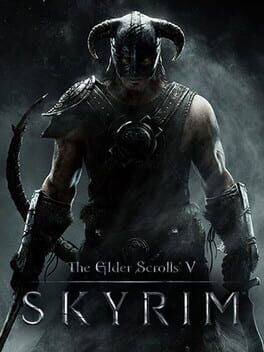
Bethesda’s trajectory since the 2020 acquisition by Microsoft has been defined by a tension between legacy franchise stewardship and the integration of new technology under the Xbox Game Pass model. The studio’s previous sequel formula—think The Elder Scrolls V: Skyrim to the anticipated The Elder Scrolls VI—has traditionally hinged on a multi‑year development cycle that refines core mechanics while expanding lore. In a market now saturated with space‑faring titles ranging from No Man’s Sky’s redemption arc to the upcoming Cyberpunk 2077 expansions, Starfield’s place is both a benchmark and a cautionary tale for how a single‑player cosmos can survive in a service‑oriented ecosystem.
What Happened?
During a recent interview, a former Bethesda engineer—who asked to remain anonymous—laid out a stark assessment of the sequel prospects. He explained that internal roadmaps at Bethesda Game Studios currently prioritize the next generation of The Elder Scrolls and a slate of smaller, narrative‑driven projects, leaving little bandwidth for a full‑scale Starfield follow‑up. The developer noted that while the studio’s leadership has not outright dismissed the idea, the odds are low enough that “we’d be surprised if a Starfield 2 ever materialises.”
Nevertheless, the same source hinted that if a sequel were green‑lit, it would aim to fulfill the “ultimate game” vision that was only hinted at during the original’s pre‑launch teasers. That would entail a reworked engine capable of true seamless planetary streaming, a more robust dialogue system, and a tighter integration with Xbox Game Pass’s live‑service tools. Fans have been vocal on forums and social media, demanding deeper role‑playing mechanics, richer faction politics, and a narrative that feels less like a backdrop and more like a living, evolving saga.
Analysis
The commercial performance of Starfield, while respectable—selling several million copies in its first quarter—has not matched the runaway success of titles like Elden Ring or the sustained revenue streams of live‑service shooters. This modest return, combined with a development cost that likely eclipsed $200 million, places the sequel on a risk‑adjusted ledger that many publishers now scrutinise heavily. Competitors such as Ubisoft’s upcoming Avatar: Frontiers of Pandora and Square Enix’s next open‑world RPG are already vying for the same high‑spending demographic, meaning Bethesda would need a clear value proposition to justify re‑investing billions.
From a technical standpoint, the original Starfield was built on an upgraded Creation Engine 2, a platform that, while powerful, still inherits legacy constraints from its predecessor. A sequel would almost certainly require a generational leap—perhaps a hybrid of the engine with the new Azure‑backed cloud rendering pipeline Microsoft has been piloting. Such an overhaul would not only extend development timelines but also demand a re‑education of the studio’s talent pool, a factor that could further erode confidence among investors and shareholders.
XPLog Opinion
From XPLog’s perspective, Bethesda’s reluctance to double‑down on Starfield is a pragmatic move that reflects the broader industry shift toward modular, post‑launch content rather than full‑scale sequels. The studio’s strength lies in world‑building, and the most sensible path forward may be to treat Starfield as a living platform—rolling out substantial expansions, narrative DLC, and community‑driven tools—rather than chasing a second numbered entry that risks diluting the brand.
Final Thoughts
Looking ahead, the next major Bethesda showcase is slated for the Xbox Games Showcase in early 2027, where we can expect a clearer roadmap for both The Elder Scrolls VI and any potential Starfield extensions. Until then, players should brace for a steady drip of post‑launch content rather than a headline‑grabbing sequel, and keep an eye on Microsoft’s broader strategy for integrating Bethesda’s IPs into the Game Pass ecosystem.