.png)
Overview
Four decades after the first pixel‑perfect Mobile Suit leapt onto arcade cabinets, the Gundam franchise is preparing to celebrate its gaming heritage with an unprecedented broadcast that will air next month. The event, organized jointly by Bandai Namco and several long‑standing partners, will trace the evolution of Gundam titles from the 1985 "Mobile Suit Gundam" arcade conversion to the sprawling, cross‑platform ecosystems of today, highlighting how the series has survived console generations, shifting monetisation models, and the rise of live‑service expectations. By framing the celebration as a live‑streamed documentary, the publishers are not only honouring nostalgia but also signalling a renewed commitment to community‑driven storytelling—a trend that has proved vital for legacy IPs seeking relevance in a market dominated by battle‑royale and open‑world juggernauts.
At the same time, the announcement arrives at a pivotal moment for the broader mecha genre, which has seen a modest renaissance thanks to titles like "Titanfall" and "Horizon Forbidden West" rekindling interest in mechanised combat. Streaming platforms such as Twitch and YouTube Gaming have turned retrospective showcases into revenue‑generating events, and the Gundam broadcast is poised to tap into that ecosystem, offering exclusive developer interviews, behind‑the‑scenes footage, and a first look at the upcoming "Gundam Rogue Orbit" slated for a March 2027 launch. This strategic timing not only capitalises on the growing appetite for premium, nostalgia‑laden content but also creates a bridge to the next generation of players who may have only encountered Gundam through anime or merchandise.
What Happened?
The official statement released by Bandai Namco confirmed that the celebratory broadcast will be streamed globally on both the company's own "G‑Stream" portal and major platforms like Twitch, featuring a curated timeline of every Gundam game ever released, interactive polls, and live Q&A sessions with veteran developers from the series' early days. The programme is set to run for approximately three hours, beginning with a deep dive into the technical constraints of the 1980s hardware that forced designers to innovate with sprite‑based animation, before moving through the 16‑bit era’s bold colour palettes, the 3D revolution of the early 2000s, and finally the current generation’s emphasis on live‑service economies and cross‑play functionality. The broadcast will also showcase a limited‑time in‑game event for existing titles, rewarding viewers with exclusive skins that reference iconic moments from the franchise’s storied past.
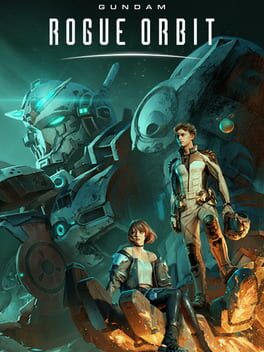
Alongside the retrospective, the event unveiled the first official teaser for "Gundam Rogue Orbit," a new action‑RPG that promises to blend high‑octane aerial combat with a narrative‑driven single‑player experience. Scheduled for a March 2027 release across PlayStation 5, Xbox Series X|S, and PC, Rogue Orbit will leverage the latest iteration of the Unreal Engine to deliver unprecedented visual fidelity, including real‑time ray‑traced reflections on mobile suit armour and a dynamic weather system that influences combat tactics. The developers emphasized that the title is designed to be a “gateway” for newcomers, offering a streamlined control scheme while retaining the deep customisation and mech‑building depth that long‑time fans have come to expect. This dual‑approach reflects a broader industry shift toward “accessible complexity,” where studios aim to lower entry barriers without diluting the core gameplay loop.
Analysis
From a market perspective, the Gundam broadcast serves as a low‑cost, high‑impact touchpoint that reinforces brand equity at a time when the franchise’s console sales have plateaued in Western territories. By repurposing archival assets and coupling them with fresh content, Bandai Namco can generate ad‑revenue and drive traffic to its digital storefronts without the overhead of a full‑blown product launch. Moreover, the timing aligns with the upcoming fiscal year for most major publishers, allowing the company to slot the event into its earnings narrative as a catalyst for the anticipated success of Rogue Orbit. Competitors such as Capcom’s “Mighty Grrl” and Square Enix’s “Final Fantasy XIV” expansions have demonstrated that leveraging nostalgia can translate into measurable spikes in concurrent users and microtransaction spend, a pattern Gundam is likely hoping to emulate.
Technically, the decision to build Rogue Orbit on Unreal Engine 5 signals a commitment to future‑proofing the title for next‑gen hardware, but it also introduces potential hurdles. The mech genre is notoriously demanding on physics simulations, especially when combining large, articulated models with destructible environments. Early demos have hinted at a hybrid approach that offloads skeletal animation to a custom middleware layer, a move that could mitigate performance bottlenecks but may also increase development risk. If Bandai Namco can deliver a smooth 60‑fps experience across both console and PC, it will set a new benchmark for mecha games and could influence rival studios to revisit their own large‑scale vehicle titles, potentially reshaping the competitive landscape of action‑RPGs.
XPLog Opinion
At XPLog UK we view the Gundam broadcast as more than a nostalgic curtain‑call; it is a calculated re‑engagement strategy that positions the franchise for a resurgence in a market hungry for distinctive, high‑production‑value experiences. By coupling a historical showcase with a concrete roadmap for the next major release, Bandai Namco demonstrates an understanding that legacy IPs must evolve beyond mere brand recognition and deliver tangible, forward‑looking value. If Rogue Orbit lives up to its promises, it could reignite the mech genre’s relevance and provide a fresh pillar for the franchise’s long‑term profitability, a prospect that should excite both investors and core gamers alike.
Final Thoughts
In summary, the upcoming Gundam celebratory broadcast not only commemorates 40 years of gaming milestones but also acts as a strategic launchpad for "Gundam Rogue Orbit," a title that aspires to redefine mech combat for the modern era. Players and analysts alike should mark the broadcast date on their calendars, and keep an eye on the March 2027 release window, when the true test of Bandai Namco’s revival plan will unfold across the global console ecosystem.