.png)
Overview
When Bit Reactor first unveiled *Star Wars Zero Company* in early 2023, the industry was still feeling the aftershocks of the 2020‑2022 resurgence of tactical, turn‑based experiences that had taken inspiration from the venerable *XCOM* franchise. Titles such as *Gears Tactics* and *Phoenix Point* had demonstrated that there was a robust appetite for deep strategic gameplay wrapped in familiar IPs, while the broader market was also witnessing a migration of indie studios toward high‑visibility licenses to cut through the noise of an increasingly crowded digital storefront. In that climate, Bit Reactor’s decision to marry the beloved Star Wars universe with a gritty, squad‑based mechanics set the stage for a high‑risk, high‑reward gamble that could either catapult the studio into the upper echelons of mid‑tier developers or consign it to the annals of over‑ambitious indie projects.
Fast‑forward to the present, and the numbers whispered by Alinea Analytics suggest that the gamble has paid off: over one million copies sold across PC, Xbox, PlayStation, and Nintendo Switch platforms. For a studio that entered development with a modest headcount and relied heavily on external funding, cracking the seven‑figure sales barrier is a watershed moment. Historically, crossing the million‑copy threshold has been a litmus test for sustainable profitability in the indie space; it often translates into enough net revenue to fund post‑launch support, future DLC, and—crucially—a return to a stable payroll. In the context of the Star Wars licensing ecosystem, where Disney’s stringent oversight and royalty structures can erode margins, achieving such volume is especially noteworthy and signals a potent combination of brand leverage and solid game design.
What Happened?
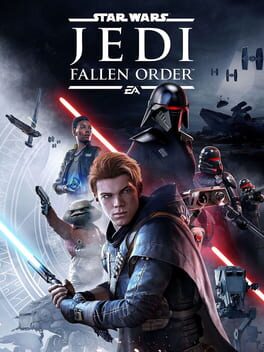
The announcement that *Star Wars Zero Company* has eclipsed the one‑million‑copy mark arrived via a terse press release from Bit Reactor, accompanied by a chart from Alinea Analytics that plotted weekly sales spikes against key marketing pushes, such as the Game Fest showcase and a surprise bundle with the *Star Wars: Jedi Fallen Order* Deluxe Edition. The release also confirmed that, despite the impressive sales trajectory, the studio’s core development team had been placed on furlough earlier in the year due to cash‑flow constraints that emerged after the initial launch window. The furlough, which saw several senior designers, programmers, and narrative leads temporarily reassigned to freelance contracts, sparked a wave of community concern, especially as early patches were still addressing balance issues and AI quirks that players flagged on forums and Reddit.
In response to mounting pressure, Bit Reactor’s CEO, Maya Delgado, issued a statement indicating that the recent sales data had unlocked a “re‑investment window” that would allow the company to bring the furloughed staff back on payroll and allocate resources toward a major post‑launch update slated for Q1 2027. Delgado emphasized that the additional revenue would cover not only salaries but also the licensing fees owed to Lucasfilm, which have historically been a sizable line item for any Star Wars‑tied project. The statement also hinted at the possibility of a narrative expansion that would deepen the lore surrounding the Zero Company’s clandestine operations, a move that could further cement the title’s standing within the broader Star Wars gaming canon.
Analysis
The commercial performance of *Star Wars Zero Company* must be read against a backdrop of shifting consumer expectations for tactical games. While the genre has historically thrived on deep, single‑player experiences, the last few years have seen a surge in demand for robust multiplayer modes and live‑service support, as evidenced by the success of *XCOM 2*’s multiplayer and the persistent popularity of *Divinity: Original Sin 2*’s co‑op. Bit Reactor’s decision to focus on a single‑player, story‑driven campaign aligns with the expectations of core tactical enthusiasts but also leaves room for future diversification. By reinstating its development team, the studio can address lingering balance concerns, expand the campaign, and potentially introduce a multiplayer skirmish mode that could tap into the lucrative esports‑adjacent market, thereby extending the game’s lifecycle beyond the typical 12‑month post‑launch window.
From a licensing perspective, the achievement is equally significant. Disney’s Star Wars gaming strategy has oscillated between high‑budget, blockbuster releases (e.g., *Star Wars Jedi: Fallen Order*) and smaller, experimental titles that leverage the brand’s vast narrative well‑spring. Bit Reactor’s success demonstrates that a well‑executed, mid‑scale project can thrive under Disney’s umbrella, provided the developer can navigate the stringent quality gates and royalty structures. Moreover, the ability to generate sufficient revenue to rehire staff suggests that future collaborations between Disney and similarly sized studios may become more attractive, potentially encouraging a wave of boutique developers to pitch original concepts that blend deep gameplay mechanics with beloved IPs.
XPLog Opinion
At XPLog UK we view the reinstatement of Bit Reactor’s team as a decisive moment that underscores the importance of sustainable financial planning in licensed indie development. The million‑copy milestone is not merely a vanity metric; it is the lifeblood that can transform a precarious cash‑flow situation into a platform for long‑term growth. By committing resources to polish, content expansion, and community engagement, Bit Reactor not only safeguards its own future but also sets a precedent that the Star Wars license can be a viable conduit for smaller studios to achieve commercial relevance without sacrificing creative autonomy. Failure to capitalize on this momentum would be a missed opportunity, both for the studio and for the broader ecosystem that thrives on fresh, mechanically rich experiences.
Final Thoughts
In sum, *Star Wars Zero Company*’s passage of the one‑million‑copy barrier marks a turning point that could see Bit Reactor’s development team fully restored, the game’s content pipeline revitalized, and the title cemented as a cornerstone of modern tactical gaming. Players should keep an eye on the forthcoming Q1 2027 patch notes, which promise both balance refinements and the first hints of a narrative DLC, as well as any official announcements from Disney regarding expanded support for the franchise’s mid‑tier titles. The coming months will reveal whether this success translates into a sustainable model that other indie studios can emulate within the high‑stakes arena of licensed game development.