.png)
Overview
The United Kingdom’s high‑street retail landscape has, for the past decade, been a battleground where physical media is increasingly forced to prove its relevance against a tide of digital downloads and subscription services. Nintendo’s flagship portable‑hybrid, the Switch, has historically thrived on a hybrid model that blended modest hardware costs with a steady stream of first‑party and third‑party titles, many of which still enjoy robust physical sales. With the imminent arrival of the Switch 2, the industry is watching closely to see whether the new hardware will sustain the same collector‑driven demand that kept shelves stocked with cardboard cases for over ten years.
Within this context, Argos—a long‑standing UK retailer known for its catalogue‑driven sales model—has occasionally leveraged flash‑discount events to generate foot traffic and clear inventory. Such promotions are rare for premium Nintendo titles, especially those that sit at the apex of the platform’s library. When a retailer announces a £20 price tag on flagship games that normally command double that price, it creates a perfect storm of hype, urgency, and, inevitably, rapid depletion of stock. The phenomenon offers a micro‑cosm of broader market forces: the tension between scarcity, perceived value, and the ever‑shrinking margin that physical distributors are willing to accept.
What Happened?
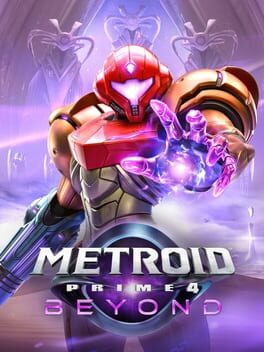
Earlier this week, Argos listed a handful of Switch 2 flagship games—including the long‑awaited sequel in the Pokémon franchise, a speculative “Metroid Prime 4: Beyond – Nintendo Switch 2 Edition,” the classic space‑combat series Star Fox, and the ambitious cyber‑punk RPG Cyberpunk 2077—at a flat rate of £20 each. The announcement, first flagged by veteran journalist Jon Cartwright, sparked a surge of online chatter and a flurry of in‑store visits. Within hours, the discounted units vanished from the retailer’s inventory, leaving only empty shelves and a chorus of disappointed fans who had hoped to snag a bargain before the next price hike.
While the exact supply numbers were never disclosed, the speed of the sell‑out suggests a confluence of factors: Nintendo’s notoriously tight production runs for physical cartridges, a post‑pandemic supply‑chain bottleneck that has hampered many console manufacturers, and a consumer base that continues to value tangible ownership despite the convenience of digital keys. Moreover, the inclusion of “Metroid Prime 4”—a title that has been in development limbo for years—indicates that Argos was likely dealing with a limited promotional batch rather than a full‑scale restock, further amplifying the scarcity effect.
Analysis
The Argos flash‑sale episode underscores a shifting equilibrium in the console ecosystem. On one hand, deep‑discount events can act as a catalyst for renewed interest in physical media, prompting collectors to re‑evaluate the value proposition of owning a cartridge versus a digital download. On the other hand, the rapid depletion of stock highlights the fragility of retail supply chains that are still recovering from global chip shortages and logistics disruptions. For Nintendo, the incident serves as a reminder that pricing elasticity remains a powerful lever; a £20 price point on premium titles can dramatically boost unit velocity, but only if the retailer can sustain inventory levels. Competitors such as Amazon and GameStop, which operate with more fluid inventory management, may capitalize on the missed opportunity by offering similar discounts with larger stock pools, potentially eroding Argos’ foothold in the UK physical market.
XPLog Opinion
From XPLog’s perspective, the Argos flash sale is less a triumph of consumer savings and more a symptom of an industry grappling with the paradox of scarcity‑driven desirability. While gamers rejoice at a £20 tag on a title that would normally cost £45‑£60, the fleeting nature of the offer reveals that retailers are forced to gamble with limited‑edition stock to stay relevant. Nintendo should view this as a cue to broaden its physical distribution strategy for the Switch 2, perhaps by partnering with a wider array of high‑street partners and by smoothing out production pipelines to avoid the “sell‑out‑before‑you‑can‑blink” scenario that alienates a segment of its loyal fanbase.
Final Thoughts
In sum, Argos’ brief foray into ultra‑deep discounts for Switch 2’s marquee games offers a vivid case study of how price, scarcity, and brand loyalty intersect in today’s console market. As the Switch 2 launch window approaches, stakeholders—retailers, developers, and Nintendo itself—must reckon with the lesson that a flash‑sale can generate headline buzz, but sustainable growth will depend on consistent supply, transparent pricing strategies, and a retail ecosystem that can meet the voracious appetite of both collectors and casual players alike. Keep an eye on the upcoming Q4 retail calendar, where similar promotions may surface, and watch how Nintendo adjusts its physical‑media roadmap in response.