.png)
Overview
In the post‑pandemic era, the indie sector has become a crucible for experimental cross‑genre titles that dare to blend subcultural visual cues with mainstream mechanics. Developers are increasingly mining the late‑2000s internet zeitgeist—think flash‑era animation, vibrant color palettes, and the early‑adopter communities that championed both furry art and magical‑girl fandoms—to craft experiences that feel both nostalgic and fresh. This trend reflects a broader market shift: publishers and platform holders are rewarding niche authenticity because it drives higher engagement rates among dedicated fanbases, even if the overall sales volume remains modest compared to AAA launches.
Against this backdrop, Break The Night arrives as a conspicuous case study of how indie studios can leverage overlapping niche interests to broaden their reach. While the title’s core premise—a hack‑and‑slash adventure with slick, fast‑paced movement—places it squarely within a crowded action‑roguelite space, its deliberate embrace of furry‑adjacent character designs and magical‑girl visual motifs signals an intent to court a demographic that has historically been underserved by mainstream releases. This positioning could translate into a loyal community that not only supports the game financially but also amplifies its presence across streaming platforms and social media, creating a virtuous feedback loop for future content updates.
What Happened?
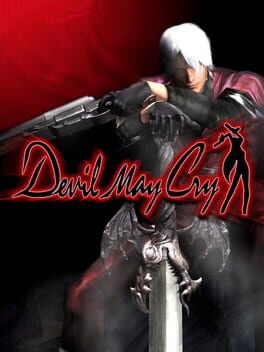
Earlier this week, the development team behind Break The Night—an indie outfit operating out of a modest studio in the UK—unveiled a detailed roadmap alongside a playable alpha build on Steam Early Access. The announcement highlighted the game's commitment to delivering "slick combat" reminiscent of titles like Devil May Cry, while integrating roguelike progression systems that reward repeat playthroughs with procedurally generated levels and a diverse roster of customizable avatars. The studio’s founder, speaking at a live‑streamed press event, emphasized that the aesthetic direction draws heavily from the visual language of late‑2000s web cartoons, where exaggerated expressions and fluid animation were the norm.
Beyond the surface polish, the developers outlined several technical pillars that set Break The Night apart. A custom animation engine, built atop Unity's URP pipeline, enables frame‑perfect dodge rolls and chain‑combo attacks that feel responsive even on mid‑range hardware. Meanwhile, the roguelike layer introduces a modular skill‑tree that allows players to toggle between "furry" and "magical‑girl" themed abilities, each with distinct visual effects and gameplay implications. The studio also promised post‑launch support in the form of seasonal content drops, community‑driven character skins, and a potential cross‑play rollout that could see the title appear on both console and handheld ecosystems.
Analysis
From a market perspective, Break The Night occupies a sweet spot between the saturated action‑roguelite market and the emergent demand for culturally resonant indie experiences. Competitors such as Hades and Dead Cells have demonstrated that deep combat systems coupled with strong narrative hooks can sustain long‑term sales, but they have largely eschewed overtly niche visual identities. By contrast, Break The Night’s deliberate targeting of furry and magical‑girl aesthetics may limit its mainstream appeal, yet it simultaneously unlocks a highly engaged micro‑community that can drive organic growth through word‑of‑mouth and fan‑generated content. This dichotomy suggests a revenue model anchored in steady, incremental purchases—season passes, cosmetic microtransactions, and limited‑edition bundles—rather than a blockbuster launch spike.
Technical execution will be a decisive factor in the title’s longevity. The reliance on a custom animation framework within Unity presents both opportunities and risks: on one hand, it allows the studio to push visual fidelity beyond what typical Unity‑based indie games achieve; on the other, it raises the bar for performance optimization across the fragmented console landscape. Should the team successfully deliver a stable, low‑latency experience on both current‑gen consoles and the upcoming handheld market, they could position Break The Night as a showcase for indie technical ambition, potentially attracting publisher interest for future collaborations or funding rounds.
XPLog Opinion
At XPLog UK we view Break The Night as a bold experiment that could redefine how indie studios approach cultural niche marketing; if the developers can marry their ambitious visual identity with the kind of tight, responsive combat that action‑fans demand, they stand to carve out a sustainable slice of the crowded roguelite pie while simultaneously legitimising furry‑adjacent and magical‑girl aesthetics within the broader gaming discourse.
Final Thoughts
In sum, Break The Night is poised to test the limits of niche‑driven design in a genre dominated by polish and precision. With its Early Access launch slated for Q4 2026 and a roadmap that promises regular content updates, the title offers both a litmus test for community‑fueled growth and a potential blueprint for future indie projects that wish to blend subcultural flair with mainstream gameplay depth. Keep an eye on developer streams and the upcoming Steam showcase for concrete milestones that will reveal whether this ambitious hybrid can translate enthusiasm into lasting market relevance.