Overview
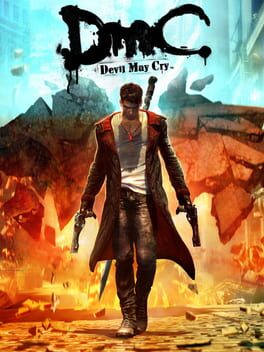
Ninja Theory, the studio behind the critically lauded Hellblade saga and genre‑bending titles such as Enslaved: Odyssey to the West and DmC: Devil May Cry, has entered a consultation phase that signals the likely shuttering of its London‑based operations. The move arrives as part of Microsoft’s latest round of restructuring at Xbox, a wave of layoffs that follows a broader industry trend where platform owners are tightening budgets after a period of aggressive acquisition and expansion. For a studio that has consistently punched above its weight—delivering narrative‑driven experiences that blend cinematic storytelling with innovative gameplay—this development is a stark reminder of how even high‑profile, award‑winning developers are vulnerable when corporate priorities shift.
The timing is particularly striking given the recent success of Hellblade II, which debuted to glowing reviews and demonstrated Ninja Theory’s mastery of next‑gen technology and emotional storytelling. Yet the title’s commercial performance, while respectable, did not translate into the blockbuster sales figures that Microsoft’s broader Xbox Game Pass strategy typically demands. In an ecosystem increasingly dominated by live‑service models and massive multiplayer franchises, single‑player, auteur‑driven projects now face heightened scrutiny, and the financial calculus behind maintaining a mid‑size studio like Ninja Theory has become a point of contention among investors and analysts alike.
What Happened?
Earlier today, Microsoft announced a series of cost‑reduction measures across its Xbox division, citing the need to streamline operations and reallocate resources toward its core strategic pillars: cloud gaming, Game Pass growth, and first‑party blockbuster development. Within that announcement, it was disclosed that two separate agreements—one concerning a potential acquisition of Ninja Theory’s IP portfolio and another involving a publishing partnership—failed to materialise, leaving the studio without a clear path forward. As a result, the company has placed Ninja Theory into consultation, a formal step that typically precedes workforce reductions and eventual closure when no viable alternative is found.
The collapse of the deals underscores the precarious nature of mid‑size studio negotiations in today’s market. While Ninja Theory had been in talks to secure external funding that could have insulated it from the parent company’s fiscal tightening, the offers fell short of the valuation and creative control the studio sought. Consequently, the developers are now faced with the prospect of winding down production, laying off staff, and potentially handing over the reins of their intellectual properties to Microsoft’s internal teams, a scenario that could reshape the future of the Hellblade franchise and other beloved titles.
Analysis
From a market perspective, the closure of Ninja Theory could have a ripple effect across the console ecosystem. Xbox’s aggressive push to amass a diverse library for Game Pass has often relied on the prestige of studios like Ninja Theory to attract core gamers who value narrative depth over subscription churn. Losing that pedigree may weaken Xbox’s differentiation against Sony’s PlayStation, which continues to champion single‑player experiences through its own first‑party studios. Moreover, the decision signals to other independent developers that even successful collaborations with Microsoft do not guarantee long‑term security, potentially dampening enthusiasm for future partnership proposals.
On the technical front, Ninja Theory’s proprietary technology—particularly its use of Unreal Engine 5 to deliver photorealistic facial animation and real‑time performance capture—has set a benchmark for immersive storytelling. If the studio’s talent pool is dispersed, the industry risks losing a hub of expertise that could have accelerated broader adoption of these techniques across the medium. Conversely, Microsoft may absorb key staff into its internal divisions, redistributing that knowledge but also diluting the distinct creative voice that has defined Ninja Theory’s output. The long‑term impact will hinge on whether the Hellblade IP continues to evolve under new stewardship or becomes a relic of a bygone era of auteur‑driven gaming.
XPLog Opinion
At XPLog UK we view the impending shutdown of Ninja Theory as a cautionary tale about the volatility of the modern games ecosystem: artistic ambition and critical acclaim are no longer sufficient shields against corporate realignment. While Microsoft’s focus on scale and recurring revenue models is understandable, the loss of a studio that consistently proved that narrative‑heavy, single‑player experiences can thrive on next‑gen hardware is a blow to the diversity of the Xbox portfolio and to the broader conversation about what kinds of games deserve mainstream support.
Final Thoughts
The next few months will be decisive: if Microsoft elects to integrate Ninja Theory’s IPs into its internal pipeline, we may still see Hellblade II’s legacy endure, albeit under a different creative banner. If not, the industry will lose a unique voice that has championed emotional storytelling in an era dominated by multiplayer spectacles. Players, investors, and fellow developers should watch for official statements on IP ownership and any potential talent migration, as those signals will shape the narrative landscape of next‑generation console gaming for years to come.
.png)
 XPLog
22 Sep 2026
4 min read
XPLog
22 Sep 2026
4 min read