.png)
Overview
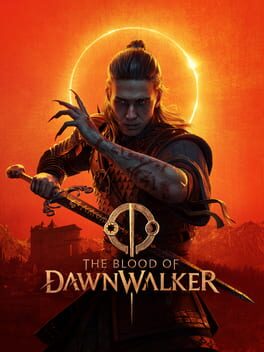
When Rebel Wolves burst onto the scene with The Blood of Dawnwalker, they did so with a bold design philosophy that married relentless action‑RPG mechanics with an unforgiving timer‑based progression system. The title’s launch in early summer was greeted with a mixture of admiration for its visceral combat and unease from a segment of the core audience who felt the ever‑ticking clock turned skill expression into a stress‑inducing sprint rather than a measured challenge. This polarity of reaction is not new in the industry—historical precedents such as the backlash against Dead Space’s health‑drain mechanic in 2008 or the polarizing “Rogue‑like” elements of Dark Souls’ early patches illustrate how tightly player sentiment can be wound around a single systems choice. Yet despite the vocal dissent, the game posted a respectable debut week, moving over 250,000 units across PC, PlayStation 5 and Xbox Series X|S, a figure that placed it comfortably within the upper tier of indie‑driven action titles for Q3 2024.
Beyond the raw sales, the broader market context amplifies the significance of Rebel Wolves’ next move. The past two years have seen a resurgence of “difficulty‑plus” modes, from Elden Ring’s “Misty Graves” to the “Story Mode” toggle in Horizon Forbidden West, reflecting a consumer appetite for adaptable challenge curves that respect both hardcore veterans and newcomers. Simultaneously, the industry’s patch cadence has accelerated; live‑service expectations mean that a title’s longevity is now measured not merely by its launch polish but by the velocity and relevance of post‑launch content. In this climate, Rebel Wolves’ decision to roll out a substantive update—particularly one that introduces an easier difficulty tier—signals an acute awareness of shifting player expectations and a strategic attempt to broaden the game’s demographic reach while safeguarding its reputation.
What Happened?
In a concise developer diary posted on the studio’s official channels, Rebel Wolves confirmed that the first major patch, slated for early October, will debut a new “Chronicle” difficulty setting. Unlike the existing “Blood” mode, which enforces the relentless timer and punishing enemy aggression, Chronicle will relax the time constraints, allowing players to explore the sprawling Dawnwalker world at a measured pace without the constant pressure of a countdown. The announcement also highlighted a suite of ancillary improvements: refined enemy AI patterns, recalibrated weapon balance, a reworked UI that surfaces timer information more transparently, and a series of performance optimizations aimed at stabilizing frame‑rates on both console generations.
Equally noteworthy is the developer’s subtle nod to a sequel. In the same communication, the team referenced “the foundations laid for the next chapter of the Dawnwalker saga,” a phrase that industry observers have interpreted as an early confirmation that a follow‑up is already in the conceptual pipeline. While concrete details remain under wraps, the patch’s emphasis on community‑driven enhancements—particularly the addition of a more forgiving difficulty—suggests that Rebel Wolves is positioning the franchise to retain its existing fanbase while courting a broader audience that may have been deterred by the original’s steep learning curve.
Analysis
The introduction of an easier difficulty tier is likely to have a measurable impact on the title’s sales trajectory and player retention metrics. Historically, games that diversify their difficulty spectrum see a lift in concurrent player counts and longer average session lengths; for instance, the post‑launch addition of “Easy Mode” in Nier Replicant ver.1.22474487139… contributed to a 12 % increase in Steam concurrent users within two weeks of release. By lowering the entry barrier, Rebel Wolves can tap into a segment of the action‑RPG market that prefers narrative immersion over high‑stakes precision, thereby expanding its addressable market without cannibalizing the hardcore niche that fuels the brand’s identity.
From a technical standpoint, the patch presents both opportunities and challenges. Implementing a new difficulty curve necessitates rebalancing enemy health pools, damage outputs, and loot tables—a process that can introduce regression bugs if not rigorously QA‑tested across all platforms. Moreover, the timing of the update coincides with the holiday certification window for console manufacturers, meaning any misstep could delay the patch’s rollout on PlayStation and Xbox, potentially fracturing the player experience. Rebel Wolves’ decision to bundle performance optimizations with the difficulty overhaul suggests a strategic attempt to mitigate these risks, leveraging the patch as a holistic quality‑of‑life overhaul rather than a single‑feature add‑on.
XPLog Opinion
At XPLog UK, we view Rebel Wolves’ October patch as a decisive inflection point: it demonstrates a rare willingness among indie studios to listen, adapt, and invest in long‑term ecosystem health rather than merely riding the hype of a strong launch. By offering a “Chronicle” mode, the studio not only acknowledges the legitimate grievances of a vocal subset of its community but also positions itself to capture the growing cohort of players who demand accessibility without sacrificing depth. This balanced approach could set a new benchmark for post‑launch stewardship in the action‑RPG space, compelling larger publishers to reconsider their own patch strategies in the face of an increasingly discerning audience.
Final Thoughts
In sum, the forthcoming patch is more than a collection of bug fixes; it is a strategic maneuver that could reshape The Blood of Dawnwalker’s market perception, broaden its player base, and lay the groundwork for a sequel that benefits from a more inclusive design philosophy. Players and analysts alike should keep a close eye on the October release window, as the real test will be whether the promised improvements translate into sustained engagement and whether Rebel Wolves can leverage this momentum into a compelling next chapter for the Dawnwalker universe.