.png)
Overview
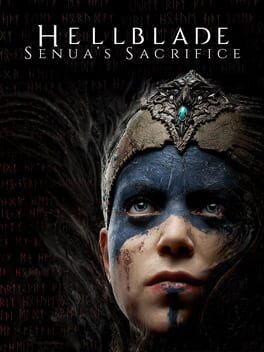
When Ninja Theory burst onto the global stage with the critically lauded Hellblade: Senua's Sacrifice in 2017, it signaled a renaissance for narrative‑driven, solo‑developer‑style experiences within the mainstream console market. The studio, founded in 2000 and originally known for kinetic action titles such as Heavenly Sword and Enslaved: Odyssey to the West, had spent years refining a hybrid of psychological storytelling and cutting‑edge performance capture. Its success attracted the attention of Microsoft, which, after a series of high‑profile acquisitions—including Mojang, Bethesda, and the recent Undead Labs—positioned itself as a curator of distinctive, culturally resonant IPs to bolster Xbox Game Pass and differentiate its ecosystem from Sony’s first‑party juggernaut.
Yet the same aggressive expansion that has filled Microsoft’s portfolio with diverse studios is now being tempered by a wave of cost‑cutting measures that have rippled through the Xbox division. The company’s broader financial recalibration, spurred by a slowdown in console sales and mounting competition from cloud gaming platforms, has forced it to re‑evaluate the viability of under‑performing or strategically misaligned assets. Within this climate, Ninja Theory’s fate became emblematic of a shifting paradigm: while the studio’s creative pedigree remains undeniable, its commercial trajectory—particularly the modest sales of the follow‑up Hellblade II—has placed it squarely in the crosshairs of a corporation seeking to sharpen its profit margins.
What Happened?
In a terse announcement earlier this month, Xbox senior executive Matt Booty confirmed that Microsoft will shutter Ninja Theory after two separate acquisition talks fell apart. According to Booty, the studio had entered negotiations with two distinct parties—both unnamed—who expressed interest in purchasing the intellectual property and preserving the development team. However, after a series of due‑diligence rounds, the prospective buyers could not reconcile the valuation expectations with the financial risk profile, leading to an impasse that left Microsoft with no viable path forward other than closure.
The fallout is immediate and stark: roughly 70 staff members, including key narrative designers, technical artists, and lead programmers, will be laid off over the next few weeks. The decision also casts uncertainty over the future of the Hellblade franchise, which had been slated for a multi‑year roadmap encompassing a sequel, downloadable content, and potential cross‑media expansions. While Microsoft has pledged to honor existing contracts for the upcoming Hellblade II release, the long‑term stewardship of the series now hangs in limbo, prompting speculation about whether the IP might be sold off, revived under a new banner, or simply retired.
Analysis
The closure of Ninja Theory underscores a broader tension within Microsoft’s Game Pass strategy: the need to balance a deep, diverse catalog with sustainable development economics. While the subscription model rewards a steady stream of new titles, it also places pressure on studios to deliver consistent, high‑engagement experiences that justify ongoing licensing costs. Ninja Theory’s niche focus on immersive, story‑heavy experiences, though critically acclaimed, has historically translated into modest sales figures compared to blockbuster franchises. This disparity makes the studio a less attractive candidate for continued investment when the corporate ledger demands rapid ROI, especially as competitors like Sony double‑down on exclusive, high‑budget sagas that dominate global sales charts.
Beyond the immediate financial calculus, the shutdown raises questions about the health of the UK development ecosystem under the umbrella of a multinational conglomerate. Historically, British studios have thrived on a blend of creative autonomy and modest funding, producing culturally distinct titles that often push the medium forward. Microsoft’s earlier success with UK‑based studios—most notably the integration of Rare’s heritage and the acquisition of Playground Games—demonstrates that nurturing local talent can yield lucrative, long‑term dividends. The failure to secure a buyer for Ninja Theory may signal a misalignment between the studio’s artistic ambitions and the corporate expectations of scale, potentially discouraging future UK developers from seeking acquisition pathways with the tech giant.
XPLog Opinion
From XPLog’s perspective, Microsoft’s decision to shutter Ninja Theory is a cautionary tale of overextension; the pursuit of a sprawling library must not eclipse the fundamental need to protect creative sanctuaries that fuel industry innovation. While the financial rationale is understandable, the loss of a studio that consistently championed mental‑health awareness and narrative depth represents a cultural setback for the console space, and it should prompt Microsoft to reconsider how it structures acquisition deals—perhaps by offering more flexible, performance‑based earn‑outs that preserve studio identity while mitigating fiscal risk.
Final Thoughts
As the gaming community watches the final days of Ninja Theory, the broader narrative is clear: the era of indiscriminate studio acquisition is giving way to a more measured, profit‑centric approach that could reshape the creative landscape of console gaming. Stakeholders should keep an eye on Microsoft’s upcoming fiscal reports and any potential re‑licensing announcements for the Hellblade IP, as these will provide early indicators of whether the company will double‑down on its subscription‑first strategy or seek to re‑invest in narrative‑driven experiences through alternative partnerships.