.png)
Overview
Blizzard Entertainment, once the crown jewel of the PC gaming world, has spent the past two decades redefining the expectations of live-service titles, esports, and narrative-driven experiences. The company's storied franchises—World of Warcraft, Overwatch, Diablo, and StarCraft—have not only generated billions in revenue but also cultivated a fiercely loyal player base that spans generations. Yet, the industry landscape that supported that dominance has shifted dramatically: subscription fatigue, the rise of battle‑royale juggernauts, and the consolidation of publishing power under the Microsoft umbrella have forced legacy studios to reassess their operating models. BlizzCon 2026 arrived amid this turbulence, promising a slate of new releases, cross‑platform integrations, and a bold vision for the next decade of Blizzard content.
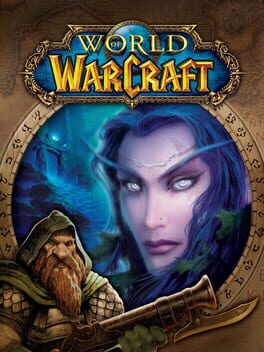
Adding to the fervor, the World of Warcraft: Forever beta—an ambitious re‑imagining of the classic Azeroth experience—has reportedly shattered internal benchmarks for player engagement, with concurrent user counts rivaling the launch peaks of the original WoW expansion packs. Community sentiment, as captured across Discord, Reddit, and Twitch, reflects a rare convergence of nostalgia and curiosity, suggesting that Blizzard may have tapped into a latent demand for a more curated, narrative‑rich MMO experience. This surge in beta participation has been hailed by analysts as a potential lifeline for the studio’s subscription model, positioning WoW: Forever as a keystone product that could offset the financial pressures of an increasingly competitive live‑service market.
What Happened?
Despite the celebratory atmosphere of BlizzCon, sources close to the studio have indicated that a wave of layoffs at Blizzard is now "imminent," with the cuts expected to be executed under the oversight of Xbox, Microsoft’s console division that completed its acquisition of Activision Blizzard in early 2024. The reports, which have circulated through reputable industry outlets, suggest that the reductions could affect up to 10 percent of the development workforce, targeting primarily mid‑level production and quality‑assurance teams that were expanded during the studio’s rapid growth phase post‑acquisition. Executives have allegedly framed the move as a "strategic realignment" aimed at streamlining pipelines and reallocating resources toward high‑impact live‑service titles, a narrative that mirrors Microsoft’s broader cost‑optimization strategy across its gaming portfolio.
Concurrently, Blizzard’s leadership has been vocal about the overwhelming response to the WoW: Forever beta, citing metrics such as a 35 percent increase in daily active users compared to the previous beta cycle and a surge in in‑game purchases that exceeded early projections. Senior producer Maya Chen, in a post‑beta developer diary, emphasized that player feedback is directly informing the final design of the game, with particular focus on expanding end‑game content and refining the subscription pricing model. The juxtaposition of a thriving beta and looming workforce reductions has sparked a heated debate among the community: can a single title truly sustain a studio the size of Blizzard, or does the impending downsizing signal deeper structural issues that even a blockbuster beta cannot resolve?
Analysis
The timing of the layoffs cannot be divorced from the broader market dynamics that have reshaped the console and PC ecosystems over the past five years. Microsoft’s acquisition of Activision Blizzard was predicated on consolidating first‑party content to bolster the Xbox Game Pass ecosystem, yet the integration has been fraught with cultural clashes and regulatory scrutiny. By trimming Blizzard’s headcount, Microsoft appears to be aligning the studio’s output with the subscription‑driven revenue model that underpins Game Pass, prioritizing titles that can deliver consistent, high‑frequency content updates over those that rely on traditional expansion cycles. This shift may force Blizzard to adopt a more iterative development cadence for WoW: Forever, potentially compromising the depth and polish that longtime fans have come to expect.
From a competitive standpoint, Blizzard’s predicament highlights a widening chasm between legacy publishers and newer entrants that have mastered live‑service economics from inception. Companies like Epic Games and Tencent have demonstrated that rapid content pipelines, coupled with aggressive monetisation strategies, can sustain massive player bases without the overhead of large, siloed development teams. If Blizzard cannot adapt its internal structures to this new reality, the risk is not merely a short‑term dip in morale but a long‑term erosion of its market share in both the MMO and broader multiplayer segments. Moreover, the layoffs could have ripple effects across the Xbox ecosystem, as reduced support for flagship Blizzard titles may diminish the perceived value of Game Pass for subscribers seeking premium, narrative‑rich experiences.
XPLog Opinion
At XPLog UK, we view the impending cuts as a stark reminder that even the most venerable studios are not immune to the unforgiving economics of modern gaming; while the WoW: Forever beta proves that Blizzard can still ignite player passion, the company must reconcile that enthusiasm with a sustainable operational model—otherwise, the excitement generated at BlizzCon could quickly evaporate under the weight of unchecked payroll and legacy development practices.
Final Thoughts
As the industry watches Blizzard navigate this precarious juncture, the next few months will be decisive: the rollout of WoW: Forever later this year, the official announcement of layoff numbers, and Microsoft's quarterly earnings report will collectively shape the narrative of whether Blizzard can reinvent itself or become a cautionary tale of legacy ambition colliding with subscription‑driven pragmatism. Players and investors alike should keep a close eye on the February 2027 developer update, which promises to reveal the concrete steps the studio will take to align its creative vision with the harsh realities of today’s gaming economy.