.png)
Overview
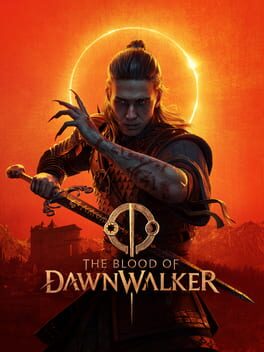
The release of The Blood of Dawnwalker on PlayStation 5 was greeted with a mixture of awe and frustration. While its sprawling open world, intricate lore, and ambitious combat system earned it a place among the year’s most talked‑about titles, many players found the difficulty curve unforgiving, especially newcomers to the genre. This tension between artistic vision and player accessibility is not new; it echoes the early‑2000s debate surrounding titles like Dark Souls and Dragon Age: Inquisition, where developers grappled with preserving a challenging experience without alienating a broader audience. As the console generation matures, publishers are increasingly forced to reconcile high‑budget, high‑risk designs with the commercial reality of retaining a diverse player base.
Against this backdrop, the announcement of Dawnwalker’s first major post‑launch patch arrives at a pivotal moment. The PlayStation 5 ecosystem is currently saturated with next‑gen upgrades, from graphical overhauls to expansive DLC roadmaps, and Sony’s own platform strategy emphasizes long‑term engagement through free updates and live‑service support. Konrad Tomaszkiewicz, the game’s director, hinted to Eurogamer that the upcoming patch will not merely be a cosmetic tweak but a substantive rebalancing, introducing an “even easier” difficulty tier and refining combat responsiveness. Such a move signals a shift from a pure “hardcore‑first” philosophy toward a more inclusive approach, one that could reshape the title’s market trajectory and set a precedent for similar mid‑tier action RPGs on the platform.
What Happened?
In the detailed interview, Tomaszkiewicz confirmed that the patch, slated for release next month, will roll out a brand‑new difficulty mode designed to lower the entry barrier for players who struggled with the original settings. This mode will adjust enemy AI aggression, damage scaling, and resource scarcity, effectively smoothing the learning curve without diluting the core mechanics. Moreover, the patch promises a suite of combat improvements: tighter hit‑registration, refined animation blending, and a recalibrated stamina system that aims to make melee encounters feel more fluid and less punitive. These changes are the result of extensive telemetry analysis from the first six weeks of live data, revealing patterns of player disengagement at specific choke points.
Beyond the immediate gameplay tweaks, the update also includes a series of quality‑of‑life enhancements that have been on the community’s wish‑list since launch. These range from UI clarifications—such as more explicit cooldown timers—to the addition of a “quick‑retry” option after a failed boss encounter, a feature that mirrors the convenience found in contemporary titles like Elden Ring. While the patch does not introduce new story content or major DLC, its focus on polishing the foundational experience reflects a growing industry trend where developers treat post‑launch support as an integral phase of a game’s lifecycle rather than an afterthought.
Analysis
The decision to embed an easier difficulty tier directly into the base game, rather than offering it as a separate DLC, carries significant market implications. Historically, titles that have retrofitted accessibility options—most notably Assassin’s Creed Valhalla with its “Voyager” mode—have seen a measurable uptick in player retention and positive sentiment across streaming platforms. By lowering the barrier to completion, Dawnwalker can capture a segment of the console’s casual audience who may have otherwise abandoned the title after a few frustrating runs, thereby extending its active user base and, by extension, its long‑term revenue through in‑game purchases and potential future expansions.
From a competitive standpoint, the patch positions Dawnwalker to better contend with heavyweight rivals that have already embraced flexible difficulty frameworks. Sony’s own portfolio, including Horizon Forbidden West and God of War Ragnarök, demonstrates a clear commitment to scaling challenges to accommodate both veterans and newcomers. By aligning with this ecosystem strategy, the developers not only future‑proof the title against shifting player expectations but also reinforce Sony’s broader narrative of the PS5 as a platform where “hardcore meets inclusive.” Technically, the combat refinements address long‑standing criticisms about input lag and animation stutter, issues that have plagued many early‑gen PS5 releases due to the learning curve associated with the console’s new hardware architecture.
XPLog Opinion
At XPLog UK we view Dawnwalker’s upcoming patch as a decisive moment that could redefine its legacy from a niche, polarising experience into a benchmark for adaptable difficulty design in next‑gen action RPGs. The willingness to iterate based on player data, rather than clinging to a rigid vision, demonstrates a mature development philosophy that prioritises longevity over ego. If the patch delivers on its promises, Dawnwalker will not only recover lost goodwill but also set a new standard for how studios address accessibility without compromising the integrity of their core gameplay loop.
Final Thoughts
In sum, the forthcoming PS5 patch for The Blood of Dawnwalker is more than a simple balance tweak; it is a strategic response to evolving market dynamics, player expectations, and the competitive pressures of the modern console landscape. With the update expected to drop in early November, the community will be watching closely to see whether the promised smoother combat and gentler difficulty truly reinvigorate the title’s player base and secure its place in the next‑gen pantheon of action RPGs.