.png)
Overview
The weekly roundup from the RPS desk arrives under unusual circumstances: two veteran writers are on leave, leaving the editorial machine to run on reduced staff. This scarcity, however, has not dulled the intensity of the stories that have surfaced. Among the headlines, Remedy’s upcoming expansion for Control, titled "Resonant," a fresh Silent Hill venture named "Townfall," and an unlikely homage to the history of Western philosophy rendered as a pinball table, together illustrate a broader shift in the PC ecosystem—one that prizes narrative depth, experimental cross‑genre design, and a willingness to mine nostalgia for commercial relevance.
In the current market, where subscription services like Xbox Game Pass and Steam Deck hardware are redefining access, publishers are compelled to differentiate their offerings through unique content pipelines. The resurgence of horror franchises, the continued appetite for metroidvania‑style upgrades, and the rise of academically flavored indie projects all point to a consumer base that craves both emotional resonance and intellectual playfulness. The three announcements this week therefore serve as a microcosm of a larger strategic pivot: leveraging established IPs while simultaneously courting the niche but vocal community that thrives on eclectic, thought‑provoking experiences.
What Happened?
Remedy Entertainment confirmed that "Control: Resonant" will arrive later this year as a full‑scale expansion to the award‑winning 2019 title. The DLC promises to delve deeper into the Federal Bureau of Control’s enigmatic architecture, introducing a new “Resonance” mechanic that intertwines environmental storytelling with real‑time physics manipulation. Early developer statements hint at a narrative that explores the consequences of unchecked power, a theme that resonates with contemporary debates around data privacy and corporate surveillance. The expansion is slated for a simultaneous launch on PC via both Epic Games Store and Steam, reflecting Remedy’s ongoing strategy to maximize reach across competing platforms.
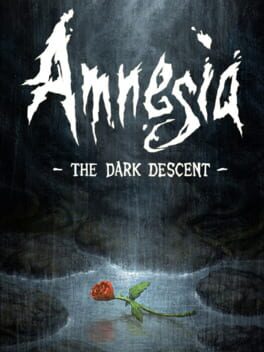
Meanwhile, Konami has officially unveiled "Silent Hill: Townfall," a reimagining of the classic horror series that shifts the setting from the mist‑shrouded town of Silent Hill to a sprawling, decaying metropolis. The game will leverage next‑gen rendering pipelines on PC, offering ray‑traced lighting and a dynamic weather system designed to amplify psychological terror. Konami’s creative director emphasized that the project aims to reconcile the franchise’s storied past with modern sensibilities, targeting both long‑time fans and a new generation of horror enthusiasts who have gravitated toward indie titles like "Phasmophobia" and "Amnesia: The Dark Descent."
Analysis
From a market performance perspective, both announcements arrive at a pivotal moment when PC gamers are increasingly discerning about value propositions. Remedy’s decision to introduce a novel gameplay mechanic—Resonance—suggests an effort to extend the lifecycle of Control beyond the typical post‑launch DLC window, thereby extracting additional revenue while maintaining player engagement. This aligns with a broader industry trend where studios are treating live‑service support as a long‑term investment rather than a short‑term cash grab. By delivering a mechanic that fundamentally reshapes level interaction, Remedy also positions itself against competitors like Ubisoft, whose recent expansions have been critiqued for offering superficial content.
Konami’s "Townfall" represents a calculated gamble: revitalizing a legacy franchise while navigating the delicate balance between reverence for canon and innovation. The shift to an urban environment could broaden the series’ thematic canvas, allowing for more diverse enemy design and narrative complexity. However, the technical ambition of integrating ray‑tracing on a wide array of PC hardware introduces potential performance bottlenecks, a challenge that has historically plagued high‑fidelity horror titles. If Konami can deliver a smooth experience across mid‑range rigs, it may set a new benchmark for horror aesthetics on PC, compelling rivals to elevate their visual fidelity standards.
XPLog Opinion
At XPLog UK, we view these developments as a clear indication that the PC platform is reasserting its role as the experimental crucible of the industry. While console exclusives dominate headlines, it is on the PC where studios can afford to take creative risks—be it Remedy’s daring mechanic overhaul or Konami’s thematic overhaul of Silent Hill. The philosophical pinball table, though a modest indie curiosity, underscores the medium’s capacity to fuse education and entertainment, hinting at a future where games serve as interactive museums of human thought. Publishers that recognize and nurture this dual appetite for depth and novelty will likely command the most loyal and lucrative audiences.
Final Thoughts
In sum, the convergence of Control’s "Resonant" expansion, Silent Hill’s urban rebirth, and the whimsical yet intellectually charged pinball homage signals a renaissance for PC gaming that blends legacy, innovation, and scholarly flair. As release windows approach—Remedy’s DLC expected in Q4 2026 and Konami’s "Townfall" slated for early 2027—players and analysts alike should keep an eye on performance metrics, community reception, and the ripple effects these titles may have on competing platforms and future development roadmaps.