.png)
Overview
When the weekly UK sales tallies were released, the headline was unmistakable: a Nintendo‑born strategy title, Fire Emblem: Fortune's Weave, surged to the second slot, while Sony’s Marvel‑licensed blockbuster Wolverine claimed the crown. The juxtaposition of a long‑standing, niche franchise against a high‑budget, cross‑media juggernaut is more than a simple numbers game; it reflects the evolving dynamics of console ecosystems that have been in flux since the eighth‑generation transition. Nintendo, still riding the wave of the Switch’s unprecedented longevity, has leveraged its reputation for deep, tactical experiences to capture a demographic that values depth over spectacle, whereas Sony continues to bankroll big‑IP tie‑ins that can command immediate mainstream attention.
Historically, the UK market has acted as a bellwether for broader European trends, with its charts often mirroring the health of physical and digital retail channels. In the past decade, the rise of subscription services and cloud gaming has fragmented the traditional sales model, yet weekly charts remain a tangible snapshot of consumer intent. The current data set arrives at a pivotal moment: Nintendo is on the cusp of unveiling its next‑generation hardware, while Sony is preparing a slate of next‑gen exclusives that aim to cement its PlayStation 5 foothold. Understanding how these titles performed provides insight not only into brand loyalty but also into the strategic positioning each publisher is adopting as the console wars enter a more mature phase.
What Happened?
According to the official UK sales report, Marvel’s Wolverine launched with a robust first‑week showing, outpacing all competitors to secure the number one position. Its success can be attributed to a confluence of factors: a globally recognized IP, aggressive pre‑order incentives, and a cross‑platform marketing blitz that spanned comic conventions, streaming platforms, and retail bundles. Meanwhile, Fire Emblem: Fortune's Weave, despite lacking the same mass‑media firepower, entered the market with a respectable debut, landing squarely in second place. Nintendo’s strategic emphasis on narrative depth, refined combat systems, and a loyal fanbase that has matured alongside the franchise contributed to its strong showing.
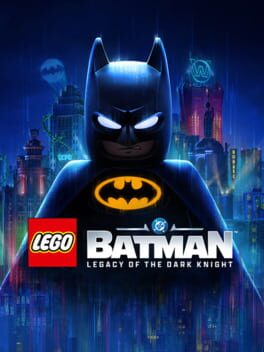
Adding another layer to the chart dynamics, the recently announced Switch 2 hardware release caused a resurgence for legacy titles, nudging LEGO Batman: Legacy of the Dark Knight back into the top three. This phenomenon underscores the symbiotic relationship between hardware announcements and software sales spikes—a pattern observed since the original Switch’s launch, where each major hardware reveal has historically driven a temporary uplift for flagship and third‑party titles alike. The data also reveals a modest but steady growth in digital downloads, indicating that while physical sales remain relevant, the consumer shift toward instant access continues unabated.
Analysis
The chart outcome signals a bifurcated market where blockbuster, IP‑driven releases dominate headline numbers, yet there remains fertile ground for niche, high‑quality experiences to capture substantial market share. Sony’s ability to marshal a Marvel property underscores its continued investment in securing licensing deals that can translate into immediate revenue, a strategy that has paid dividends across multiple console generations. Conversely, Nintendo’s performance with Fire Emblem demonstrates the durability of its core audience and the effectiveness of cultivating long‑term franchise equity rather than relying on flash‑in‑the‑pan spectacles.
Looking ahead, the impending Switch 2 launch could recalibrate the competitive landscape. If Nintendo successfully delivers a hardware upgrade that preserves its unique hybrid identity while addressing performance criticisms, we may witness a renewed surge in third‑party support, potentially narrowing the gap that Sony currently enjoys with high‑budget IP titles. However, the technical hurdles—such as achieving parity with the PS5’s ray‑tracing capabilities and maintaining battery efficiency—pose significant risks. Should Nintendo fall short, the market could see a consolidation of power around Sony and Microsoft, with the latter poised to leverage its Xbox Game Pass ecosystem to further erode Nintendo’s share of the casual and mid‑core segments.
XPLog Opinion
From XPLog’s perspective, the real story isn’t the headline‑grabbing Wolverine win; it’s the resilience of Fire Emblem in a market saturated with blockbuster spectacles. Nintendo’s ability to consistently deliver titles that command attention without the crutch of massive marketing budgets speaks to a sustainable development philosophy that prioritises craftsmanship over hype. As the industry grapples with the cost inflation of AAA productions, publishers that can nurture deep, community‑driven franchises will likely emerge as the most profitable in the long run, especially when paired with a hardware platform that continues to sell in the tens of millions.
Final Thoughts
In sum, the UK charts this week illustrate a microcosm of the broader console war: Sony’s blockbuster muscle still reigns supreme, yet Nintendo’s strategic focus on quality, narrative‑rich experiences keeps it firmly in the conversation. With the Switch 2 announcement slated for a Q1 2027 rollout and Sony’s next wave of Marvel titles already in development, the next twelve months will be crucial for observing whether hardware innovation can tip the scales or if the market will continue to reward the dual‑track approach of high‑budget spectacles alongside meticulously crafted indie‑esque gems.