.png)
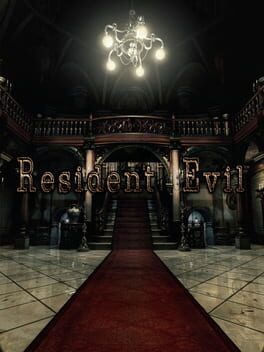
Overview
When Capcom first announced a cinematic reboot of its flagship survival‑horror series, industry pundits were split between optimism for a fresh take and skepticism that a new director could capture the franchise’s gritty DNA. The appointment of Zach Cregger—known for his off‑beat comedy sensibilities and a background in indie horror—raised eyebrows, especially given the long‑standing association of the Resident Evil brand with the stoic, action‑heavy Milla Jovovich era. Yet the market context of 2024, where legacy franchises are increasingly pressured to innovate or risk fatigue, set the stage for a bold gamble: a film that would blend tongue‑in‑cheek humor with the visceral dread that defined the original games.
That gamble has paid off spectacularly. In an opening weekend that eclipsed every previous Resident Evil entry, Cregger’s film not only secured the highest debut gross in the series but also vaulted past all but one of the Jovovich‑led installments in total worldwide earnings. This achievement arrives at a pivotal moment for Capcom, which has been leveraging cross‑media synergies—games, anime, and now cinema—to rejuvenate its IP pipeline. The success signals a potential shift in how studios approach horror adaptations: less reverence for formulaic action set‑pieces and more willingness to embrace tonal hybridity that resonates with a broader, younger demographic.
What Happened?
The new Resident Evil, released under the banner of Cregger’s distinctively quirky vision, opened in over 4,200 theaters across North America and Europe, pulling in an unprecedented $62 million in its first three days. The film’s marketing campaign leaned heavily on viral TikTok teasers, retro‑styled game footage, and a clever tagline that hinted at both nostalgia and subversion. Inside the narrative, the story follows a fresh protagonist—a resourceful bio‑engineer thrust into the iconic Raccoon City outbreak—while weaving in Easter eggs that reward long‑time fans without alienating newcomers. Critics praised the film’s deft balance of slapstick moments and genuine terror, noting that the director’s background in horror‑comedy allowed him to navigate the genre’s tonal tightrope with surprising finesse.
Beyond the box‑office numbers, the film’s ancillary revenue streams are already showing promise. Merchandise sales, ranging from limited‑edition action figures to a new line of survival‑gear collaborations with outdoor brands, have surged in tandem with the theatrical run. International markets, particularly in East Asia where Resident Evil enjoys a cult following, reported a 45 % higher per‑screen average than the previous franchise high. Moreover, streaming rights negotiations are underway, with several major platforms vying for exclusive windows, indicating that the film’s life cycle will extend well beyond its theatrical window and continue to bolster Capcom’s bottom line.
Analysis
The record‑breaking debut underscores a broader industry trend: legacy IPs are finding renewed vitality when they break free from the constraints of their most iconic iterations. By appointing a director whose pedigree lies outside the traditional action‑hero mold, Capcom tapped into a latent demand for narrative freshness. This move also positions the franchise competitively against other horror properties such as "The Conjuring" universe and "A Quiet Place," which have leaned heavily on consistent tonal branding. Cregger’s blend of humor and horror differentiates Resident Evil in a crowded marketplace, potentially expanding its appeal to streaming‑savvy Gen‑Z audiences who gravitate toward genre‑bending content.
From a market dynamics perspective, the film’s performance could recalibrate how studios allocate budgets for horror adaptations. Historically, studios have been cautious, often capping budgets to mitigate risk. However, the $62 million opening suggests that a well‑executed, creatively daring approach can attract both core fans and casual moviegoers, justifying larger production values and more aggressive marketing spends. The ripple effect may also influence console ecosystems: a surge in interest could translate into increased sales of the latest Resident Evil game releases, especially with cross‑promotional bundles that tie in-game content to the film’s storyline. In short, the cinematic success is likely to create a virtuous cycle that fuels both box‑office receipts and interactive entertainment revenue.
XPLog Opinion
At XPLog UK, we view Cregger’s triumph as a watershed moment that proves the franchise’s elasticity when steered by fresh creative hands. The film’s ability to honor the series’ lore while daring to inject irreverent humor demonstrates that Resident Evil is no longer shackled to the expectations set by its early 2000s action‑hero era. This bold direction not only revitalizes the brand for a new generation but also sends a clear signal to other publishers: the path to longevity lies in embracing risk, experimenting with tone, and leveraging transmedia storytelling to keep fans engaged across multiple platforms.
Final Thoughts
As the credits roll and the box‑office tallies continue to climb, the real story will be how Capcom capitalizes on this momentum. With a sequel already green‑lit and a slate of game expansions slated for release later this year, the franchise is poised to ride a wave of renewed enthusiasm that could reshape its cultural relevance for the next decade. Keep an eye on the upcoming Q4 earnings call, where Capcom is expected to outline its integrated media strategy, and on the announced release date for the sequel, slated for early 2026, which will likely set the benchmark for future horror‑action crossovers.