.png)
Overview
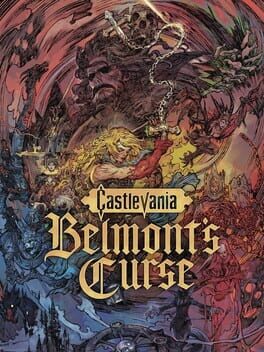
After more than a decade of oscillating between nostalgic revivals and experimental forays, the Castlevania franchise is once again turning its gaze toward the 2‑D Metroidvania formula that defined its golden era. The upcoming title, Castlevania: Belmont's Curse, arrives at a moment when the market is saturated with high‑budget open‑world spectacles, yet players continue to crave tightly‑crafted platforming experiences that reward exploration and skill. By positioning a polished demo on the PlayStation 5 platform, Konami is not merely offering a taste of the game; it is reasserting the commercial viability of hand‑drawn pixel art and deliberate level design within a next‑gen ecosystem that is increasingly dominated by photorealistic pipelines.
From a strategic standpoint, the timing of the demo’s launch on 1 October 2026 dovetails with Sony’s broader push to enrich its library of exclusive indie‑style titles ahead of the holiday season. The PS5’s DualSense controller, with its haptic feedback and adaptive triggers, provides a fresh tactile dimension to classic side‑scrolling combat, allowing developers to reinterpret familiar mechanics in ways that feel both retro and cutting‑edge. This convergence of legacy aesthetics and modern hardware is a calculated move to capture both long‑time series veterans and a new generation of gamers who have discovered Metroidvanias through titles like Hollow Knight and Bloodstained.
What Happened?
On 1 October 2026, PlayStation users will be granted access to a free, downloadable demo of Castlevania: Belmont's Curse, granting them the ability to traverse the opening chapter of the game’s sprawling castle complex. The demo is not a mere teaser; it presents a fully functional segment complete with boss encounters, weapon upgrades, and narrative hooks that set the stage for the full experience. Crucially, the demo incorporates a seamless save‑transfer system: any progress made within the trial can be imported directly into the full title, which is slated for worldwide release on 15 October 2026.
In a recent developer briefing, Konami’s internal team emphasized their commitment to honoring the series’ lineage while injecting contemporary design philosophies. They highlighted a renewed focus on fluid combat choreography, a richer lore tapestry that explores the Belmont clan’s mythos, and a meticulous level‑design pipeline that leverages the PS5’s SSD to eliminate loading interruptions—a subtle but meaningful nod to the speedrun community that has long revered the series for its precision. The team also hinted at post‑launch support, suggesting that the demo’s architecture is built to accommodate future downloadable content and possibly cross‑platform play, though no concrete details were disclosed.
Analysis
From a market perspective, Castlevania: Belmont's Curse arrives at a crossroads where legacy franchises are either reinvented or left to languish. Konami’s decision to invest in a high‑quality 2‑D experience signals confidence that the Metroidvania sub‑genre remains a lucrative niche, especially when bolstered by the prestige of a flagship console. The demo’s early release serves a dual purpose: it generates organic buzz in the weeks leading up to the full launch, and it provides valuable telemetry on player engagement, which can inform post‑launch monetisation strategies such as season passes or cosmetic microtransactions. In an era where first‑day sales are increasingly complemented by long‑tail revenue streams, this data‑driven approach could prove pivotal for Konami’s financial recovery after several years of mixed commercial performance.
Technically, the PS5’s hardware affords the developers a canvas to push the visual fidelity of 2‑D art beyond what was possible on previous generations. The use of ray‑traced lighting effects on sprite textures, combined with the DualSense’s adaptive triggers, creates a sensory experience that blurs the line between classic pixel art and modern immersion. Moreover, the decision to enable save‑data migration from demo to full game reduces friction for players, a practice that has become standard among top‑tier releases on the platform but remains relatively novel for retro‑styled titles. This seamless integration may set a new benchmark for how legacy franchises leverage next‑gen capabilities without abandoning their core aesthetic.
XPLog Opinion
At XPLog UK, we view Castlevania: Belmont's Curse as a bold affirmation that the appetite for meticulously crafted 2‑D experiences has not waned, even in a market dominated by sprawling 3‑D universes. Konami’s gamble to pair nostalgic design with next‑gen polish could reignite the franchise’s relevance and, more importantly, demonstrate that legacy IPs can thrive when they respect their roots while embracing contemporary technology. Should the demo resonate as expected, we anticipate a ripple effect that will encourage other mid‑tier publishers to revisit their dormant 2‑D properties, potentially ushering in a renaissance of high‑quality, story‑driven platformers on premium consoles.
Final Thoughts
In sum, the Castlevania: Belmont's Curse demo is more than a promotional stunt; it is a litmus test for the viability of classic 2‑D Metroidvanias in the PS5 era. With the full game arriving on 15 October 2026, the coming weeks will reveal whether the blend of nostalgic design, modern hardware, and strategic demo deployment can translate into sustained sales and a revitalised community. Players, analysts, and investors alike should keep a close eye on early adoption metrics, community sentiment, and the forthcoming post‑launch roadmap, all of which will shape the next chapter of the Belmont legacy.