.png)
Overview
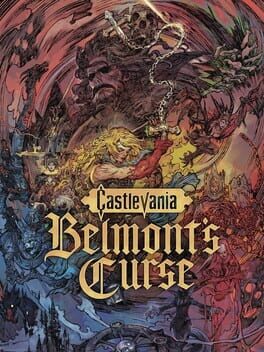
As the calendar inches toward October, the gaming calendar traditionally fills with horror‑themed releases, seasonal events, and a palpable shift toward darker aesthetics. This seasonal rhythm is not merely a marketing gimmick; it reflects a broader consumer appetite for immersive experiences that echo the cultural fascination with the macabre. Within this context, the announcement of a demo for Castlevania: Belmont's Curse—developed by the acclaimed indie studio behind Dead Cells—carries weight far beyond a simple taste‑test. It signals a convergence of retro reverence and contemporary design philosophy, a trend that has been gaining momentum since the resurgence of classic franchises through indie reinterpretations in the late 2010s.
Dead Cells’ studio, Motion Twin, has built a reputation for marrying tight, rogue‑like mechanics with fluid animation, a pedigree that has earned it a loyal following among core gamers. Their foray into the Castlevania universe is therefore not a casual side‑project but a calculated expansion that leverages both the nostalgic capital of Konami’s iconic series and Motion Twin’s proven procedural expertise. The demo’s timing—coinciding with the “spooky season”—is a strategic move designed to capture the heightened attention of players seeking atmospheric, gothic experiences, while also serving as a litmus test for the market’s readiness to embrace a new iteration of a franchise that has historically oscillated between critical highs and commercial missteps.
What Happened?
In a brief but decisive press release, Motion Twin confirmed that a fully playable demo of Castlevania: Belmont's Curse will be available for download ahead of the game's full launch. The demo is slated to include the opening chapter of the game’s narrative, a showcase of the revamped combat system, and a selection of procedurally generated levels that echo the studio’s signature difficulty curve. Developers emphasized that the demo will retain the series’ hallmark gothic aesthetic while integrating modern visual effects, such as dynamic lighting and particle‑rich blood splatter, to heighten immersion. Moreover, the studio has promised that player feedback collected during the demo window will directly inform polishing efforts, balancing the delicate act of honoring legacy design while pushing technical boundaries.
Accompanying the demo announcement, Motion Twin’s lead designer, Adrien “Mimic” Dufour, delivered a statement underscoring the project’s ambition to “redefine what a modern Castlevania can be without discarding the soul that made the original a cultural touchstone.” He highlighted that the game will feature an expanded roster of Belmont lineage protagonists, each with distinct skill trees, thereby deepening replayability—a core tenet of Motion Twin’s design ethos. The demo will be accessible on PC, PlayStation 5, and Xbox Series X|S, reflecting a cross‑generational release strategy aimed at maximizing market penetration across both legacy and next‑gen audiences.
Analysis
The arrival of a Castlevania demo from an indie powerhouse like Motion Twin marks a noteworthy shift in how legacy IPs are being revitalized. Historically, major publishers have relied on internal studios or heavyweight external partners to shepherd classic franchises, often resulting in uneven quality and fan reception. By delegating the mantle to a studio renowned for procedural generation and tight combat loops, Konami is effectively betting on a hybrid model that blends nostalgic branding with indie‑driven innovation. This approach could set a precedent for other dormant franchises, encouraging publishers to seek collaborations that prioritize gameplay fidelity over mere brand recognition.
From a market perspective, the demo serves as a low‑risk entry point for both consumers and investors. In an era where player acquisition costs are soaring, offering a free, content‑rich demo can generate organic buzz, community-driven streaming, and valuable telemetry data. The timing also positions the title to capitalize on the seasonal surge in horror‑related sales, potentially boosting early pre‑order numbers and establishing a strong launch window. However, the technical ambition—melding Motion Twin’s rogue‑like systems with Castlevania’s traditionally linear level design—poses significant challenges. Balancing procedural variety with the series’ iconic set‑piece encounters will require meticulous iteration, and any misstep could alienate purists while failing to attract new players seeking fresh experiences.
XPLog Opinion
At XPLog UK, we view the Belmont's Curse demo as a litmus test for the viability of indie‑driven revivals of classic franchises; if Motion Twin can deliver a demo that feels both reverently familiar and boldly innovative, it will reaffirm the industry’s shift toward collaborative IP stewardship, where legacy meets modern design without compromising either’s integrity.
Final Thoughts
In sum, the forthcoming Castlevania: Belmont's Curse demo is more than a seasonal teaser—it is a strategic touchstone that could reshape how heritage titles are reimagined for a new generation of gamers. Players and analysts alike should keep a close eye on the demo’s reception, the subsequent community feedback loop, and the eventual full‑release launch window slated for early 2027, as these milestones will reveal whether this gothic revival can truly stand the test of time.