.png)
Overview
Since its debut in 1999, the Silent Hill franchise has become more than a series of survival‑horror titles; it has evolved into a cultural touchstone that scholars cite when discussing interactive storytelling, psychoanalytic allegory, and the power of environmental dread. Konami’s early 2000s triumphs with Silent Hill 2 and 3 cemented the town’s fog‑shrouded streets as a template for metaphorical exploration of trauma, while the series’ later decline left a vacuum that indie developers have been eager to fill. In a bold pivot, Konami opened the gates of Silent Hill to external creators through the “Silent Hill f” licensing initiative, positioning the town as a transferable oral‑history mechanism—a narrative sandbox where studios can graft local myths, regional anxieties, and their own design philosophies onto a universally recognisable horror framework.
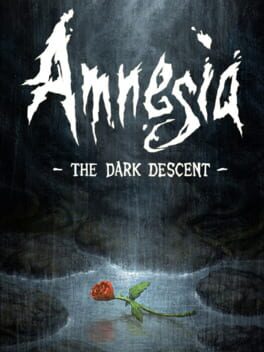
That strategic outreach arrives at a moment when horror gaming is experiencing a renaissance. The indie surge sparked by titles such as *Amnesia: The Dark Descent* and *Layers of Fear* has proved that atmospheric dread can thrive without blockbuster budgets, while AAA powerhouses like *Resident Evil* and *The Last of Us* demonstrate that mainstream audiences still crave sophisticated scares. Within this ecosystem, the announcement of Silent Hill: Townfall signals both a test of Konami’s licensing model and a litmus test for how far the fog can be stretched before it becomes a straitjacket. For players, the promise of a fresh yet familiar descent into Silent Hill offers a chance to revisit the series’ signature psychological puzzles while gauging how contemporary design sensibilities reinterpret the franchise’s iconic motifs.
What Happened?
Screen Burn—formerly known as No Code and best known for the narrative‑driven *Stories Untold*—has taken the reins on Silent Hill: Townfall, delivering a game that leans heavily into stealth and environmental storytelling. Set in a reimagined version of the eponymous town, the title places players in the shoes of a disoriented protagonist who must navigate fog‑laden streets, avoid hostile entities with geometric heads, and piece together fragmented memories that echo the series’ tradition of unreliable narration. While the core mechanics echo classic Silent Hill exploration, Townfall introduces a dynamic fog system that reacts to player anxiety levels, a design decision intended to blur the line between in‑game tension and real‑world physiological response.
In a recent developer interview, Screen Burn’s creative director emphasized that the team approached the license not as a checklist of tropes but as a thematic wellspring. “We were handed the key to Silent Hill’s mythos, not a script,” he explained, noting that the studio deliberately stripped away some of the series’ more overt horror cues—such as the iconic radio static—favoring subtle auditory cues that heighten unease. The partnership with Konami also stipulated that the game remain “canon‑adjacent,” allowing the studio to explore new narratives without disrupting the established timeline. Despite these ambitions, the final product leans heavily on stealth sequences, a design choice that some critics argue hampers pacing but which the developers defend as a means to deepen player immersion in the town’s oppressive atmosphere.
Analysis
From a market perspective, Townfall occupies a precarious niche. On one hand, it benefits from the halo effect of the Silent Hill brand, which still commands strong nostalgic equity across both console and PC audiences. On the other hand, the title must contend with a crowded horror slate where indie gems are judged against the technical polish of AAA releases. Screen Burn’s reliance on stealth—a mechanic that has historically divided players—could limit its appeal to those seeking the visceral combat of *Resident Evil* or the narrative cohesion of *The Evil Within*. Moreover, the technical ambition of a fog system that reacts to biometric data introduces potential performance hurdles, especially on older hardware, which could affect adoption rates in the console‑centric market that still dominates sales.
Strategically, Konami’s licensing gamble could reshape its revenue model. By delegating creative control to external studios while retaining IP ownership, Konami reduces development risk and taps into fresh creative pipelines. However, the danger lies in brand dilution; if multiple licensed entries diverge wildly in quality or tone, the once‑cohesive mythos may fragment, eroding the franchise’s core identity. Competitors such as Capcom and Bandai Namco have historically guarded their flagship horror IPs tightly, but Konami’s approach mirrors the broader industry trend toward collaborative universes, as seen with the *Mortal Kombat* cinematic collaborations and the *Assassin’s Creed* cross‑media expansions. Townfall’s reception will therefore serve as a bellwether for whether such open‑licensing strategies can sustain long‑term brand health.
XPLog Opinion
At XPLog UK we view Silent Hill: Townfall as a courageous, if imperfect, experiment that underscores the evolving relationship between legacy IPs and the indie sector. The game’s atmospheric fidelity to the original series is commendable, yet its overreliance on stealth threatens to alienate players accustomed to the franchise’s blend of puzzle, combat, and narrative revelation. Nonetheless, the willingness of Screen Burn to push the fog’s interactivity forward demonstrates that the Silent Hill formula still holds fertile ground for innovation. Konami should take Townfall’s mixed signals as a cue to refine its licensing criteria—prioritising studios that can balance reverence with fresh mechanics—if it hopes to keep the town’s mist from becoming a marketing smokescreen.
Final Thoughts
Silent Hill: Townfall arrives in Q4 2026 with a beta slated for early November, offering the community a chance to experience its adaptive fog and narrative depth before the full launch. Whether the title will reignite the franchise’s golden era or become a cautionary footnote depends on its ability to marry classic horror psychology with modern gameplay expectations. As Konami continues to experiment with licensed collaborations, the industry will be watching closely, ready to gauge if the fog of Silent Hill can once again become a beacon for innovative horror storytelling.