.png)
Overview
The Nintendo Switch 2, now edging past its first anniversary, has quietly evolved from a novelty hybrid to a cornerstone of Nintendo's hardware strategy. Launched amid a crowded console generation dominated by Sony's PlayStation 5 and Microsoft's Xbox Series X|S, the device differentiated itself through a relentless focus on portability, a robust first‑party library, and an ever‑expanding ecosystem of indie titles. Over the past twelve months, Nintendo has deployed a series of incremental firmware updates that, while modest on paper, have collectively reshaped the console's performance envelope, battery efficiency, and, crucially, its compatibility layer for legacy Switch software.
In March, a landmark system update introduced Variable Refresh Rate (VRR) support for docked play, a feature long demanded by enthusiasts seeking smoother frame pacing on larger displays. That same update acted as a catalyst for a broader compatibility sweep, prompting Nintendo to revisit the backward‑compatibility matrix that has historically been a point of contention for players who own extensive Switch libraries. The latest patch cycle, reported by Nintendo Everything, extends fixes to a swath of titles that previously suffered from frame‑rate drops, texture pop‑ins, or outright crashes when run on the Switch 2 hardware, signalling Nintendo's commitment to preserving its software legacy as the platform matures.
What Happened?
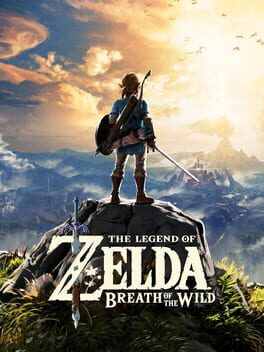
Earlier this month, Nintendo rolled out a major firmware version that not only unlocked VRR in docked mode but also introduced a hidden compatibility patch set targeting dozens of first‑party and third‑party games. According to the detailed rundown on Nintendo Everything, titles ranging from long‑standing staples like "The Legend of Zelda: Breath of the Wild" to niche indie gems such as "Hollow Knight" now benefit from refined CPU throttling and updated GPU drivers that align the Switch 2's more powerful Tegra X1+ chip with the expectations set by the original hardware. Nintendo's internal engineering team reportedly collaborated directly with select developers to fine‑tune shader pipelines and memory allocation patterns, ensuring that the enhanced hardware does not inadvertently introduce new stability issues.
The announcement, while modest in tone, carries significant weight because it addresses a lingering pain point for the console's most dedicated fanbase: the fear that their existing library would become obsolete on the next‑generation device. In a brief statement, Nintendo's hardware division emphasized that the fixes are part of an ongoing "compatibility assurance program" that will continue to roll out over the next several months. Although Nintendo has not disclosed the full list of affected games, the publicised roster includes high‑profile releases from both Nintendo's own studios and major third‑party partners, suggesting a coordinated effort to safeguard the platform's value proposition as it competes with the more technically aggressive rivals.
Analysis
From a market perspective, Nintendo's decision to back‑port performance enhancements rather than simply push new titles underscores a strategic pivot toward ecosystem longevity. While Sony and Microsoft have largely relied on raw horsepower and cloud streaming to entice upgrades, Nintendo appears to be banking on the goodwill generated by preserving player investments. This approach mitigates the risk of alienating the sizable Switch install base, which, according to IDC, still commands a 28% share of the current console market. Moreover, the VRR addition narrows a technical gap that has historically placed Nintendo at a disadvantage for competitive multiplayer and fast‑paced action titles, potentially opening the door for more ambitious third‑party collaborations.
Technical hurdles remain, however. The Switch 2's hybrid architecture imposes unique constraints on thermal management and power consumption, meaning that any driver‑level tweak must balance performance gains against battery life—a trade‑off that has historically plagued Nintendo's hardware iterations. Additionally, the fragmented nature of third‑party development pipelines means that not every studio will be able to allocate resources for post‑launch patches, especially smaller indie teams operating on tight budgets. Nonetheless, Nintendo's willingness to shoulder a portion of the optimization burden could set a new industry benchmark for post‑release support on hybrid consoles, influencing how future hardware generations are positioned in the market.
XPLog Opinion
At XPLog UK, we view these compatibility fixes as a decisive statement that Nintendo is no longer content to rest on the laurels of its initial Switch success; instead, it is actively curating a sustainable software ecosystem that rewards loyalty. By addressing performance regressions head‑on, Nintendo not only protects its brand equity but also signals to developers that the company will stand behind their titles beyond launch windows—a rare assurance in an era where rapid hardware turnover often leaves games stranded on obsolete platforms.
Final Thoughts
In sum, the latest firmware rollout positions the Switch 2 as a more polished and player‑friendly successor to the original, reinforcing Nintendo's reputation for long‑term platform stewardship. As the holiday season approaches and rival consoles roll out their own performance‑focused updates, keeping an eye on Nintendo's subsequent patch notes and any announced expansion of the compatibility program will be essential for both consumers and industry observers alike.