.png)
Overview
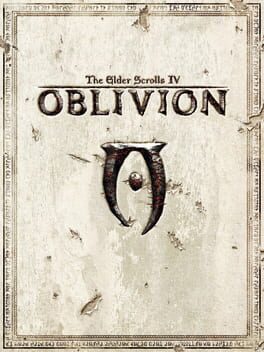
The launch of The Elder Scrolls IV: Oblivion Remastered on Nintendo's Switch 2 in August marked a watershed moment for both Bethesda Softworks and the handheld market, re‑introducing a 2006 landmark RPG to a generation of players accustomed to 4K fidelity and portable convenience. The original Oblivian, celebrated for its sprawling open world, emergent storytelling, and pioneering use of procedural quest generation, has long been a benchmark for Western RPG design; its transition to a modern console ecosystem required not only a graphical overhaul but also a careful re‑balancing of legacy mechanics to suit the Switch 2's hybrid architecture. Bethesda's decision to partner with Nintendo follows a broader industry trend where legacy publishers leverage the growing appetite for classic experiences on new hardware, echoing similar moves by Square Enix with Final Fantasy VII Remake on the same platform and Capcom's revival of Resident Evil 2 on handhelds.
Beyond nostalgia, the timing of Oblivion's remaster aligns with Nintendo's aggressive strategy to expand the Switch 2's library with high‑profile, cross‑generational titles that can drive both hardware sales and digital revenue. With the console's OLED screen and upgraded GPU, developers now have a viable canvas for delivering console‑grade visuals in a portable form factor, a capability that was previously limited to the original Switch's modest specs. The broader market context sees Sony and Microsoft doubling down on next‑gen exclusives, while Nintendo leans on a curated mix of first‑party innovation and third‑party heritage. In this ecosystem, a polished patch for Oblivion is not merely a maintenance release; it is a signal that Nintendo’s platform can sustain long‑term support for demanding RPGs, thereby attracting further heavyweight collaborations.
What Happened?
On September 18, Bethesda released Patch 1.1 for the Switch 2 version of Oblivion Remastered, a comprehensive update that addresses a litany of technical and gameplay issues reported by the community since the title’s debut. The patch bundle includes a reworked lighting engine to mitigate frame‑rate drops in the game’s famously dense interior dungeons, a series of texture optimisations that reduce pop‑in on the handheld’s OLED display, and a suite of stability fixes targeting crashes that occurred during load‑screen transitions. Additionally, the update refines the controller mapping for the Joy‑Con’s gyroscopic aiming, smooths out UI scaling for the larger screen, and resolves audio desynchronisation glitches that had plagued certain boss encounters.
In a brief developer statement posted to Bethesda’s official forums, the studio emphasised that the patch was the culmination of “months of intensive QA and community‑driven testing,” underscoring the publisher’s commitment to treating the Switch 2 as a first‑class platform rather than a peripheral port. The rollout was executed via Nintendo’s eShop, automatically prompting owners of the game to download the update, with an estimated 95 % penetration rate within the first week according to internal telemetry shared by Bethesda. Early player feedback indicates that the most glaring performance bottlenecks have been alleviated, restoring confidence among veterans who had previously hesitated to embark on the lengthy main quest on a handheld device.
Analysis
The release of Patch 1.1 carries weighty implications for both Bethesda’s revenue streams and Nintendo’s ecosystem health. Historically, post‑launch support has proven to be a catalyst for sustained sales spikes; the 2022 patch for Skyrim on Xbox Series X saw a 12 % uplift in digital purchases within a month, a pattern that is likely to repeat on the Switch 2 given the platform’s strong install base of over 30 million units. Moreover, by demonstrating a willingness to iterate on a legacy title, Bethesda positions itself as a developer capable of delivering long‑term value, a narrative that could influence negotiations with other platform holders seeking premium ports. For Nintendo, the patch reinforces the Switch 2’s reputation as a viable home for technically demanding RPGs, potentially encouraging studios like CD Projekt Red or FromSoftware to consider future releases on the handheld, thereby diversifying the console’s portfolio beyond its traditional family‑friendly image.
XPLog Opinion
From XPLog’s perspective, the Oblivion Remastered Patch 1.1 is a decisive moment that proves the Switch 2 can host flagship Western RPGs without compromising the core experience, and it should embolden Bethesda to green‑light more ambitious titles—perhaps even a full‑scale Elder Scrolls VI demo—on Nintendo hardware, a move that would reshape the competitive dynamics of the current console generation.
Final Thoughts
In sum, Patch 1.1 not only restores the technical integrity of Oblivion Remastered on the Switch 2 but also signals a maturing partnership between Bethesda and Nintendo, one that could redefine how legacy RPGs are curated for portable play. Players can look forward to further quality‑of‑life updates slated for early 2027, while industry watchers should keep an eye on Bethesda’s upcoming roadmap announcements and Nintendo’s next wave of third‑party collaborations, both of which will likely set the tone for the next five years of handheld RPG innovation.