.png)
Overview
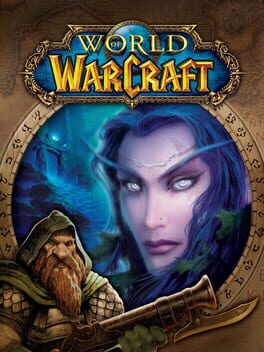
After a decade of oscillating between the nostalgic pull of World of Warcraft Classic and the ever‑evolving ambitions of Shadowlands, Blizzard Entertainment has dropped a bombshell that could reshape the franchise’s future. Announced at BlizzCon 2026, "World of Warcraft: Forever" promises to expand the original 2004 experience with a suite of brand‑new zones, raids, and roughly a thousand fresh quests, all built atop the vanilla engine that first captivated millions. This move arrives at a time when the MMO market is fragmenting between subscription‑heavy veterans and a surge of free‑to‑play juggernauts, making Blizzard’s decision both a nostalgic gesture and a calculated business maneuver.
The timing is striking. The last major content push for Classic arrived in 2022, and since then the player base has drifted toward the more modern expansions or migrated to rival titles like Final Fantasy XIV, which has steadily outpaced WoW in subscriber growth. Moreover, Blizzard has been navigating internal upheavals—leadership reshuffles, studio consolidations, and the fallout from the 2023 workplace controversy—yet the company’s brand equity remains potent. By re‑infusing the original world with substantive new material, Blizzard is attempting to harness the potent mix of nostalgia, content hunger, and the current appetite for “living” classic experiences that evolve rather than remain static museum pieces.
What Happened?
During the live BlizzCon keynote, senior producer Maya Patel detailed the scope of "World of Warcraft: Forever". The expansion will introduce three entirely new continents, each designed to reflect the aesthetic and narrative tone of the original game while weaving in contemporary design philosophies. Players can expect the first of these, the shattered isle of Vashkara, to host a 12‑boss raid that revisits the iconic “Molten Core” mechanics but with dynamic environmental hazards and a deeper loot system that integrates the new “Legacy Gear” tier. Alongside the raids, over 1,000 quests will populate the new zones, ranging from solo story arcs that explore forgotten lore to sprawling world events that require coordinated server‑wide effort.
Blizzard also announced a suite of quality‑of‑life upgrades that were long demanded by the Classic community: a revamped talent tree that retains the original point‑allocation freedom while allowing for more meaningful specialization, an updated UI that supports modern resolutions, and cross‑play between PC and the upcoming Xbox Series X|S client. The company emphasized that the expansion will be released as a free content update for all existing Classic subscribers, with an optional “Premium Path” that grants early access to raid tiers and exclusive cosmetic rewards. This dual‑track approach mirrors the successful model employed by other live‑service titles, aiming to monetize the most engaged segment without alienating the broader player base.
Analysis
From a market perspective, "World of Warcraft: Forever" is a strategic attempt to reinvigorate a franchise whose subscriber numbers have plateaued at roughly 8‑9 million, a stark contrast to the 12‑million peak of 2010. By layering fresh content onto the beloved vanilla framework, Blizzard hopes to recapture lapsed players who left due to the perceived “bloat” of later expansions, while simultaneously offering a compelling reason for current players to deepen their investment. The introduction of cross‑play also signals Blizzard’s acknowledgement of the console‑first shift that has benefited competitors like Final Fantasy XIV, which leveraged PlayStation and Xbox integration to broaden its demographic reach.
Technical hurdles remain, however. Re‑building new zones on the aging WoW engine requires extensive refactoring to support modern server architecture, anti‑cheat mechanisms, and the higher bandwidth expectations of today’s gamers. Moreover, the promise of a “Premium Path” could fragment the community if not balanced carefully; previous missteps with paid content tiers have drawn criticism for creating a “pay‑to‑win” perception. If Blizzard can deliver a seamless experience that respects the legacy of the original while meeting contemporary standards, the expansion could set a new benchmark for how legacy MMOs evolve without abandoning their roots.
XPLog Opinion
At XPLog UK, we view "World of Warcraft: Forever" as a bold, if risky, gambit that underscores Blizzard’s willingness to double‑down on its heritage while flirting with modern monetisation strategies. The move could re‑anchor WoW’s relevance in a crowded MMO arena, but success will hinge on Blizzard’s ability to balance nostalgia with innovation—delivering content that feels both familiar and fresh, without alienating the community that kept the brand alive through turbulent years.
Final Thoughts
In the coming months, the industry will watch closely as Blizzard rolls out the first beta of the new continents and gauges player reaction to the Premium Path. Should the expansion meet its lofty promises, it could not only stabilize WoW’s subscriber base but also inspire other legacy titles to pursue similar “living classic” models. Keep an eye on the slated open‑beta window in November 2026 and the full launch slated for Q2 2027, when the true impact of "World of Warcraft: Forever" will be measured against both its nostalgic pedigree and the relentless march of modern MMO competition.