.png)
Overview
When Remedy Entertainment first burst onto the mainstream stage with the critically lauded Control in 2019, it signaled a resurgence of high‑concept, story‑driven action games that could thrive on both console hardware and subscription services. The original title’s blend of paranormal intrigue, Metroidvania‑style exploration, and a striking visual aesthetic earned it a place among the most talked‑about releases of the eighth generation, and cemented Remedy’s reputation as a studio capable of marrying cinematic ambition with tight gameplay loops. Over the past seven years, the company has quietly refined its engine, experimented with live‑service structures on titles like Quantum Break, and deepened its partnership with Microsoft, a relationship that has become increasingly symbiotic as Xbox leans on exclusive, narrative‑heavy experiences to differentiate Game Pass.
In the current console landscape, where the Xbox Series X|S and PlayStation 5 vie for dominance through hardware prowess, exclusive line‑ups, and ecosystem lock‑in, Remedy’s newest offering arrives at a pivotal moment. Players have grown accustomed to “games as a service” models, yet there remains a robust appetite for self‑contained, auteur‑driven experiences that reward a single, immersive playthrough. Control Resonant positions itself squarely at this intersection, promising to satisfy both the subscription‑centric audience that streams titles weekly and the core gamers who still cherish meticulously crafted single‑player journeys.
What Happened?
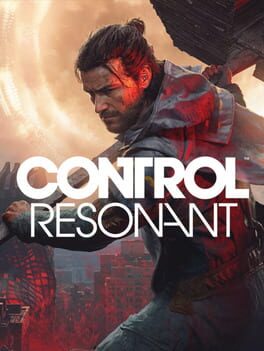
Control Resonant, the sequel that has lingered in development folklore for nearly a decade, finally launched exclusively on Xbox consoles and PC, reaffirming Remedy’s strategic alignment with Microsoft’s first‑party ecosystem. The title expands the Federal Bureau of Control’s universe by relocating the action from the enigmatic Oldest House to a hyper‑stylised, dream‑like Manhattan, a decision that not only broadens the series’ geographical canvas but also introduces a fresh visual language that juxtaposes neon‑washed skyscrapers with the familiar, unsettling architecture of the Bureau. This bold setting shift is complemented by a narrative pivot: the story now orbits a deeply personal sibling dynamic, grounding the series’ supernatural elements in a relatable emotional core.
From a gameplay perspective, Remedy has taken a calculated risk by pulling the camera back, granting players a wider field of view that emphasizes environmental storytelling and spatial puzzles over the tight, first‑person combat that defined the original. While some critics have noted moments where the action rhythm stalls into repetitive patterns, the overall design philosophy reflects a deliberate attempt to blend cinematic spectacle with interactive exploration, echoing the studio’s earlier experiments on titles such as Alan Wake II. The result is a game that feels both familiar to long‑time fans and daringly new for those encountering the universe for the first time.
Analysis
From a market standpoint, Control Resonant reinforces Xbox’s broader strategy of leveraging narrative‑driven exclusives to bolster Game Pass subscriber growth. In an era where the subscription model is increasingly viewed as the primary battleground for console wars, a title that can attract both legacy fans and newcomers offers a dual‑pronged revenue stream: immediate sales on the platform alongside sustained engagement through the service. Moreover, the game's placement on Xbox Series X|S showcases the hardware’s capability to render complex particle effects and high‑resolution textures without compromising frame rate, a technical showcase that can be leveraged in future marketing pushes against competing platforms.
The genre shift and expanded setting also signal Remedy’s willingness to evolve beyond the “paranormal thriller” niche that initially defined them. By integrating a more open‑camera approach and a metropolitan backdrop, the studio addresses a growing industry trend toward hybrid experiences that blend action, exploration, and narrative depth. However, this ambition carries inherent risk: the departure from tight, first‑person combat may alienate a segment of the franchise’s core audience, and the repetitive combat loops noted by early reviewers could dampen long‑term replayability. Success will hinge on Remedy’s ability to iterate post‑launch, potentially via DLC that deepens the sibling storyline and refines combat pacing.
XPLog Opinion
At XPLog UK, we view Control Resonant as a watershed moment for both Remedy and the Xbox ecosystem: it demonstrates that a studio can successfully pivot its creative vision while still delivering the high production values that console‑first audiences demand. The game’s artistic ambition, combined with its strategic release on Game Pass, positions it as a flagship title that could redefine how narrative‑heavy sequels are marketed in the subscription age. While the execution isn’t flawless, the willingness to experiment—especially in a market that often favours safe, iterative sequels—deserves commendation and sets a promising precedent for future collaborations between Microsoft and its third‑party partners.
Final Thoughts
Control Resonant arrives as a testament to Remedy’s evolving craftsmanship and Xbox’s commitment to curating a library that balances artistic risk with commercial viability. As the title settles into the Xbox catalogue, its performance will be closely watched for clues about the sustainability of narrative‑centric exclusives on subscription platforms, and whether the Manhattan‑set sibling saga can capture the imaginations of both veteran fans and a new generation of players. Keep an eye on upcoming patches, potential story expansions, and the next wave of Xbox Showcase announcements, where the ripple effects of this release are likely to shape the console’s roadmap through 2027.