.png)
Overview
In the ever‑evolving landscape of console marketing, few moments have achieved the viral longevity of the 2015 PlayStation 4 game‑sharing meme, a tongue‑in‑cheek demonstration by then‑President Shu‑hei Yoshida and former senior producer Adam Boyes that captured the imagination of millions of gamers worldwide. The clip, in which Yoshida hands Boyes a physical disc to illustrate the simple act of sharing a game, became a shorthand for PlayStation’s emphasis on community, accessibility, and the tangible joy of swapping titles, a narrative that resonated even as the industry shifted toward digital distribution.
Fast‑forward to 2026, the same duo resurfaced the meme in a deliberately “game‑less” photograph, substituting the iconic disc with an empty hand, a visual metaphor for the current state of the PlayStation ecosystem where subscription services like PlayStation Plus and cloud gaming are eroding the relevance of physical media. This self‑referential stunt arrives at a crossroads: Sony is navigating a post‑disc era, competing with Microsoft’s Game Pass, while also grappling with the fallout from supply‑chain disruptions that have made hardware scarce. The timing is unmistakable, positioning the meme as both a nostalgic nod and a strategic signal to the market that Sony remains attuned to its cultural roots even as it pivots toward a service‑first future.
What Happened?
During a recent livestream hosted by Sony’s European marketing team, Yoshida and Boyes appeared side‑by‑side, each holding an empty palm toward the camera, echoing the original gesture but conspicuously lacking any physical game. In the accompanying press release, they explained that the image was intended to “highlight the shift from disc‑based sharing to cloud‑based experiences,” underscoring Sony’s commitment to expanding its PlayStation Plus tier with enhanced streaming capabilities and cross‑platform game libraries. The announcement also hinted at an upcoming update to the PlayStation Network that will enable seamless title transfers between accounts, effectively digitizing the old‑school sharing ritual.
Beyond the visual gag, the executives used the platform to unveil a roadmap for the next two years, promising tighter integration of PlayStation Studios titles into the subscription service, a revamped user interface that foregrounds shared playlists, and a series of community‑driven events designed to revive the social glue that the original meme celebrated. While no concrete launch dates were disclosed, the roadmap aligns with Sony’s broader strategy to counteract Microsoft’s aggressive pricing and content acquisition tactics, suggesting a renewed focus on leveraging its first‑party franchises as a differentiator in an increasingly crowded services market.
Analysis
The reimagined meme functions as a low‑cost, high‑impact marketing maneuver that simultaneously acknowledges Sony’s legacy and signals a decisive pivot toward a digital‑first paradigm. By invoking a beloved moment from the PS4 era, the company taps into nostalgic goodwill, which can translate into heightened engagement with the upcoming subscription enhancements. Moreover, the emphasis on “game‑less” sharing dovetails with industry trends where physical sales have dipped below 10 % of total console revenue in major markets, forcing publishers to re‑engineer monetisation models around recurring revenue streams.
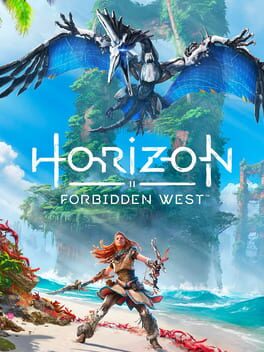
From a competitive standpoint, this move places Sony in direct conversation with Microsoft’s Game Pass Ultimate, which already offers a robust library and cloud streaming. Sony’s strategy appears to lean on the depth of its exclusive catalogue—titles such as “Horizon Forbidden West,” “God of War Ragnarök,” and the upcoming “Marvel’s Spider‑Man 2”—to create a differentiated value proposition. However, technical hurdles remain: expanding cloud infrastructure to match Microsoft’s Azure‑backed latency standards and securing licensing agreements for third‑party titles will be critical. Failure to deliver a seamless, low‑latency streaming experience could undermine the very community‑centric narrative the meme attempts to reinforce.
XPLog Opinion
At XPLog UK, we view this nostalgic callback not merely as a clever PR stunt but as a barometer of Sony’s strategic recalibration; the company is consciously shedding the vestiges of a disc‑centric past while trying to preserve the communal ethos that made PlayStation a cultural touchstone. If Sony can marry its storied first‑party pedigree with a reliable, feature‑rich subscription service, the “game‑less” meme could evolve from a fleeting joke into a cornerstone of a new era of shared, cloud‑driven gaming experiences.
Final Thoughts
In sum, the re‑creation of the iconic game‑sharing moment serves as both a nostalgic wink and a forward‑looking declaration that Sony is ready to redefine how players exchange experiences in a cloud‑dominant market. Keep an eye on Sony’s upcoming PlayStation Showcase in early 2027, where the promised network updates and subscription tier expansions are expected to be demonstrated in full, potentially reshaping the competitive dynamics of console ecosystems for years to come.