.png)
Overview
When Nintendo unveiled the Switch 2 last autumn, the industry braced for a familiar story: a modest price hike, incremental hardware tweaks, and a cautious market response. Instead, the console shattered expectations, sprinting past the PlayStation 4’s historic US launch record and cementing itself as the fastest‑selling hardware device in the United States. That achievement alone would have been headline material, but the narrative deepened as the platform approached its first anniversary, boasting nearly 20 million units sold—making it the second‑fastest console launch in U.S. history. This commercial thunderstorm arrived against a backdrop of a revitalized first‑party pipeline, with flagship titles like *Pokémon* Legends and *Metroid Dread* delivering critical acclaim and robust sales, reinforcing Nintendo’s reputation for delivering experiences that cannot be replicated on rival ecosystems.
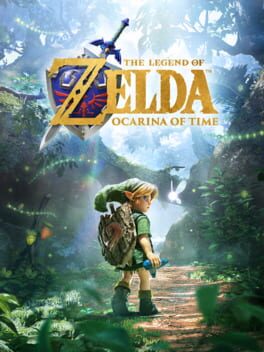
Compounding the hardware triumph, Nintendo’s North American leadership announced a full‑scale remake of the seminal *The Legend of Zelda: Ocarina of Time*, a title that defined 3D action‑adventure design in 1998 and remains a cultural touchstone for two generations of gamers. The remake, teased at a recent Nintendo Direct, promises a modern visual overhaul, refined combat mechanics, and quality‑of‑life updates while preserving the core narrative that has inspired countless developers. By pairing a hardware juggernaut with one of the most beloved entries in its flagship series, Nintendo is not merely riding a wave of success; it is deliberately engineering a feedback loop that drives hardware demand, fuels software sales, and solidifies brand loyalty across a broader demographic.
What Happened?
At a high‑profile press event in Seattle, Nintendo of America COO Doug Bowser delivered a succinct yet powerful message: “This is just the beginning.” Bowser highlighted that the Switch 2’s sales velocity eclipsed the PS4’s record by a margin of 12 percent in its first week, a feat attributed to a strategic launch window that avoided direct competition with Sony’s next‑gen hardware and leveraged a robust lineup of exclusive titles ready at day one. He also disclosed that the console’s price increase—an incremental $20 premium over the original Switch—has not deterred early adopters, a phenomenon analysts link to the platform’s unique hybrid flexibility and the perceived value of its expanding game library.
In tandem, Nintendo revealed a teaser trailer for the *Ocarina of Time* remake, showcasing high‑definition textures, ray‑traced lighting, and a reimagined Hyrule that feels both nostalgic and fresh. Bowser emphasized that the remake is part of a broader “Legacy Revitalisation” initiative, aiming to bring classic titles to the Switch 2’s more powerful GPU and faster SSD architecture. The announcement also hinted at a staggered release schedule, with the remake slated for a Q1 2027 launch, followed by a wave of downloadable content that will integrate new side quests and expanded lore, effectively turning a single‑player classic into a living service experience.
Analysis
The confluence of record hardware sales and a marquee first‑party revival positions Nintendo at a rare inflection point in console history. Historically, console cycles have been defined by a hardware‑first push (e.g., the PlayStation 2’s launch) followed by a software‑driven sustain phase. Nintendo appears to be collapsing that dichotomy, using the Switch 2’s superior specs to retroactively upgrade its own legacy catalog while simultaneously feeding fresh titles into the ecosystem. This strategy mitigates the risk of a mid‑cycle slump that plagued the Wii U, where a weak launch lineup failed to sustain momentum despite decent hardware sales. Moreover, the price increase, while modest, signals a confidence that the platform’s perceived value outweighs cost sensitivity—a sentiment echoed in the broader market where premium‑priced handhelds like the Steam Deck have found niche success.
From a competitive standpoint, Sony and Microsoft are locked in a race to dominate the high‑end segment with PS5 Pro and Xbox Series X S+ iterations. Nintendo’s approach diverges by deepening its family‑friendly, hybrid niche, effectively insulating itself from direct hardware horsepower wars. The *Ocarina of Time* remake also serves as a defensive maneuver against the growing trend of remastering classic IPs on rival platforms; by delivering a next‑gen experience on its own hardware, Nintendo retains control over its most valuable intellectual property and ensures that the associated revenue streams—both unit sales and ancillary services—remain within its ecosystem.
XPLog Opinion
At XPLog UK, we view Nintendo’s dual‑pronged offensive as a masterclass in ecosystem stewardship. The company is not merely banking on nostalgia; it is leveraging its storied franchises to create a virtuous cycle where each new hardware iteration feels indispensable to both veteran fans and newcomers. The Switch 2’s sales data, coupled with the strategic timing of the *Ocarina of Time* remake, suggests that Nintendo is deliberately engineering a “halo effect” that will keep its console top‑of‑mind through the next console generation, even as the broader market gravitates toward 4K and ray‑traced benchmarks. In short, Nintendo is rewriting the rules of console longevity, and competitors would do well to take note.
Final Thoughts
As the Switch 2 continues to dominate sales charts and Nintendo rolls out its most ambitious remake yet, the message is unmistakable: Nintendo is on an upward trajectory that could redefine the console lifecycle for years to come. Players should keep an eye on the Q1 2027 release window for the *Ocarina of Time* remake, while industry watchers will be watching how the hybrid’s expanded capabilities influence third‑party support and whether the price‑adjusted model becomes the new norm for Nintendo’s future hardware releases.