.png)
Overview
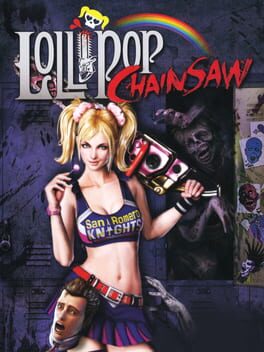
The gaming landscape of 2026 is witnessing a resurgence of legacy franchises, as publishers and indie studios alike mine their back catalogs for fresh life on next‑gen hardware. Within this climate, the announcement of Lollipop Chainsaw 2 Back2Back for PlayStation 5 arrives not merely as a nostalgic nod but as a strategic move by Nada Holdings and its development partner Dragami Games to capitalize on the growing appetite for high‑octane, personality‑driven action titles that blend retro sensibilities with modern technical polish. The original Lollipop Chainsaw, released in 2012 on the PlayStation 3, carved a niche with its over‑the‑top zombie‑slaying heroine, Juliet Starling, whose blend of campy humor and kinetic combat earned it a cult following despite modest sales. Its legacy endured through fan art, speed‑run communities, and a 2023 remake, Lollipop Chainsaw RePOP, which demonstrated that the property still resonated when refreshed with updated visuals and quality‑of‑life improvements.
That remake, spearheaded by Dragami Games—a studio that grew out of a passionate modding collective—proved a litmus test for the market’s willingness to invest in resurrected IPs. By delivering a faithful yet technically refined version, Dragami signaled both to fans and to the wider industry that classic titles could be reimagined without sacrificing their core identity. The sequel’s unveiling now sits at the intersection of several industry trends: the consolidation of indie studios under larger publishing umbrellas, the PS5’s expanding library of exclusive, personality‑driven experiences, and the broader consumer shift toward games that offer both nostalgic familiarity and fresh, forward‑looking design. In this context, Lollipop Chainsaw 2 is poised to be more than a simple sequel; it is a litmus test for how effectively legacy franchises can be re‑engineered for a new generation of hardware and audience expectations.
What Happened?
During a high‑profile digital press event streamed worldwide, Nada Holdings confirmed that Lollipop Chainsaw 2 Back2Back will launch exclusively on the PlayStation 5 later this year, with a tentative Q4 2026 release window. The title promises to retain the franchise’s hallmark blend of frenetic melee combat, tongue‑in‑cheek storytelling, and a vibrant aesthetic that juxtaposes pastel horror with pop‑culture satire. Early gameplay footage, released alongside the announcement, showcases a dramatically expanded combat system that leverages the PS5’s DualSense haptic feedback and adaptive triggers, allowing players to feel the resistance of Juliet’s iconic chainsaw as it rends through increasingly varied zombie types. Moreover, the footage hints at a more open‑world hub, a departure from the linear stages of the original, suggesting a design philosophy that embraces player agency and exploration.
Developer Dragami Games also disclosed that the sequel will integrate a robust character customization suite, enabling players to tailor Juliet’s outfits, weapon skins, and even her signature dance moves—a nod to the community‑driven mod culture that helped sustain the series’ relevance. In addition, the studio announced a partnership with a leading AI-driven animation studio to deliver more fluid, context‑sensitive enemy behaviors, promising a combat experience that feels both chaotic and intelligently reactive. Statements from Dragami’s creative director emphasized a commitment to “honoring the spirit of the original while pushing the envelope in terms of technical fidelity and narrative depth,” indicating that the sequel will also explore more mature thematic undertones, potentially addressing issues of fame, identity, and the commodification of horror tropes.
Analysis
The market implications of Lollipop Chainsaw 2’s launch are multifaceted. First, it reinforces Sony’s strategy of diversifying the PS5’s exclusive portfolio beyond blockbuster AAA franchises, injecting a mid‑tier, high‑visibility title that can attract both legacy fans and newcomers seeking a distinctive, stylized experience. By anchoring the sequel on the DualSense’s unique capabilities, Sony can showcase hardware differentiation, a tactic reminiscent of the way the original PlayStation 4 leveraged its controller to highlight titles like Astro’s Playroom. Second, the involvement of Dragami Games—a studio that rose from the modding community—highlights an industry trend where publishers are increasingly sourcing talent from grassroots development ecosystems, thereby reducing risk while tapping into authentic fan insights.
From a competitive standpoint, Lollipop Chainsaw 2 enters a crowded field of revived IPs, ranging from classic platformers to long‑dormant RPGs. Its success will hinge on its ability to deliver a fresh gameplay loop that feels less like a nostalgic cash‑grab and more like an evolution of the series’ core mechanics. The integration of AI‑enhanced enemy behavior could set a new benchmark for indie‑scale combat sophistication, potentially influencing how other studios approach enemy design in action‑oriented titles. Moreover, the decision to focus on extensive character customization aligns with broader consumer expectations for personalization, a trend amplified by the success of games like Fortnite and Apex Legends, where cosmetic expression drives player engagement and ancillary revenue streams.
XPLog Opinion
At XPLog UK, we view Lollipop Chainsaw 2 as a calculated gamble that could pay dividends far beyond its immediate sales figures. The title embodies a rare convergence of nostalgic appeal, technical ambition, and strategic platform positioning, offering Sony a showcase title that can bridge the gap between hardcore action fans and the broader, meme‑savvy audience that thrives on social media virality. If Dragami delivers on its promise of a deeper, more immersive combat system while preserving the irreverent charm that defined the original, the sequel could become a flagship example of how legacy franchises can be revitalized without diluting their essence—a blueprint that other publishers may emulate in the coming years.
Final Thoughts
In sum, Lollipop Chainsaw 2 Back2Back stands at a pivotal crossroads where retro reverence meets next‑gen innovation. As the PS5 continues to mature its library, the game’s Q4 2026 release will be a litmus test for both Nada Holdings’ ability to shepherd a niche IP to mainstream relevance and for the industry’s broader appetite for intelligently reimagined sequels. Players, investors, and analysts alike should keep an eye on upcoming developer diaries, beta access windows, and the evolving discourse around the game’s adaptive‑trigger combat, all of which will shape the narrative of how classic cult titles can thrive in the modern console era.